

Garnet Information – Much more to it than flaming reds

Crooked Bear Creek Organic Herbs's avatarGood Witches Homestead

“The garnet is a red gem, but not like the ruby, its red is much more like that of a flame … It forms far in the east … If correctly cut and polished it will reveal all its beauty and perfection.”

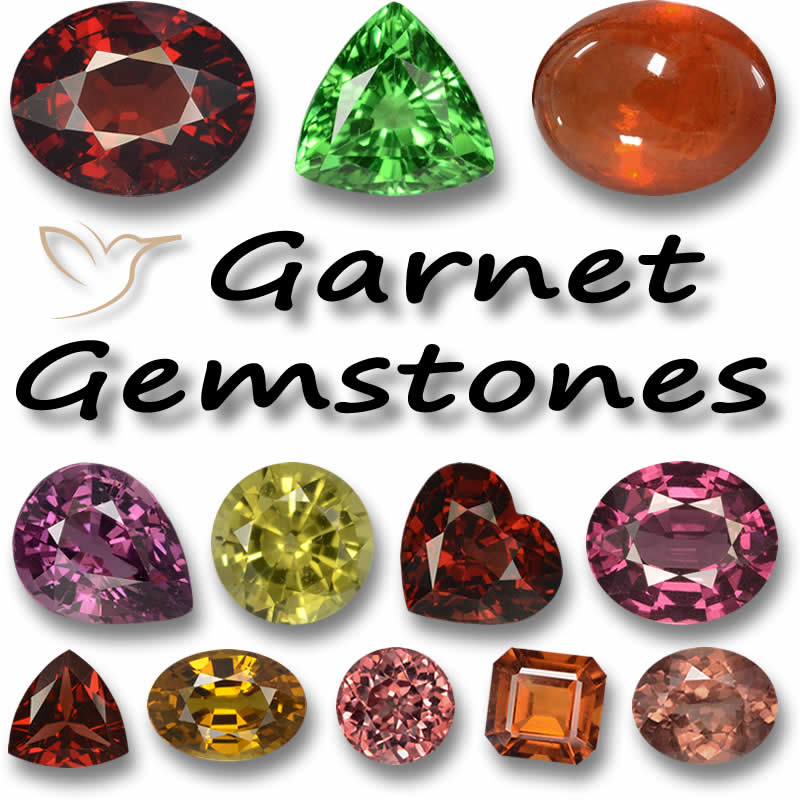
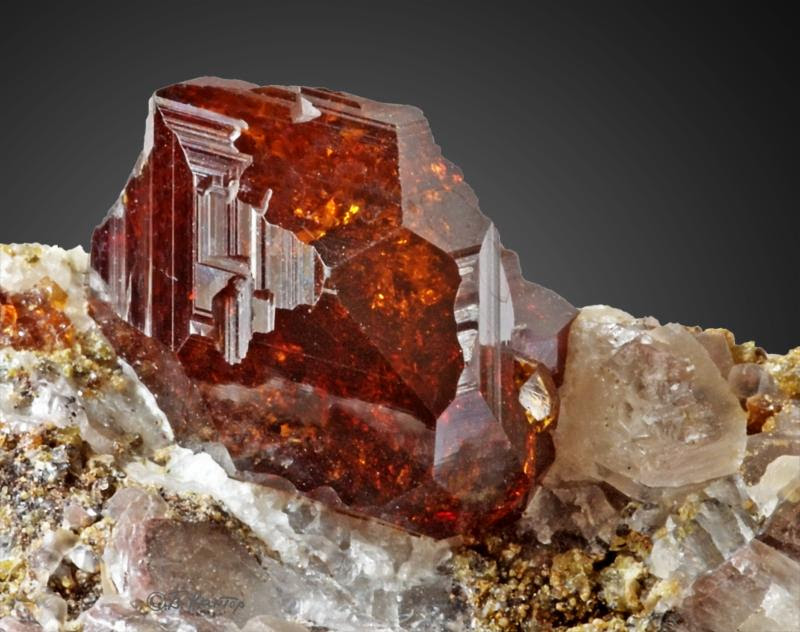
Aristotle wrote this about garnets over 2000 years ago but our love and admiration for this gemstone continue to this day and we have discovered there are more to this gem than just a flaming red.

Garnets are the ‘modern family’ in the gemstone world. Not for them a simple chemical formation with one or two impurities to give a bit of color, no this is the gem family with lots of chemical half-brothers, mineral step-sisters, long lost crystal cousins and strange geologic uncles.

This group of closely related minerals has given us a variety of gemstones that appear in almost every color, most often and most famously…

View original post 4,808 more words

Gemstone Gem Notes: Garnet Meaning and Properties

Crooked Bear Creek Organic Herbs's avatarGood Witches Homestead

The deep, glossy red color of garnet resembles the juicy seeds of a pomegranate, which is perhaps why its name is derived from the Latin word granatum, meaning pomegranate seed. In Greek mythology, a pomegranate was often given as a gift of passion and associated with eternal love. In ancient history, travelers wore garnet gemstones because they were believed to light up the night and provide protection from nightmares and accidents.

Garnets were used in burial jewelry and carved signet rings to proclaim royalty during the Bronze Age (300 BC). Garnets were one of the most popular gemstones of the Vikings and Anglo-Saxons, as revealed in the stunning jewelry and sword fittings in the Staffordshire Hoard because they believed the blood-red stone improved their fighting prowess.

In the middle ages, garnet was commonly believed to guard against poison. Royals would often drop a garnet gemstone into a glass of…

View original post 562 more words

Who is the Best Guru?

Ritual for the Burning of the World

Dana's avatarThe Druid's Garden

As I write these words, fires are ravaging Australia. It’s a bleak situation, ecologically and politically. The firest at this point are about the combined size of the entire state of West Virginia and are all through the entire continent, particularly along the coasts. Ecologically, this is a disaster with severe and long-ranging consequences for Australia and the world. While billions of lives have been consumed in the fires (animal, insect, bird, fish, reptile, amphibian, plant and fungi), the Guardian reports that it is likely that numerous species will go extinct from the fires because sites that house critically endangered species are all burning—in some cases, all of the protected habitats of these species are on fire. The situation in Australia is being made worse by current Australian leadership, who, rather taking a firm stance on climate change and human causes, instead are digging in their heels and pandering to…

View original post 1,096 more words

Bird Tribe Grandmothers

Herbs for Natural Detox – Traditional Medicinals – Herbal Wellness

Crooked Bear Creek Organic Herbs's avatarCrooked Bear Creek Organic Herbs

As we shift from the holiday season, it is an excellent time to take a few days to simplify, clear and pave the way to receive the bounty of the new year. This can mean making space for creativity, resetting intentions, or cultivating healthy habits that support the body and mind. Symbolically, it is no surprise people gravitate towards “cleansing” and “detoxifying” during this time of year.

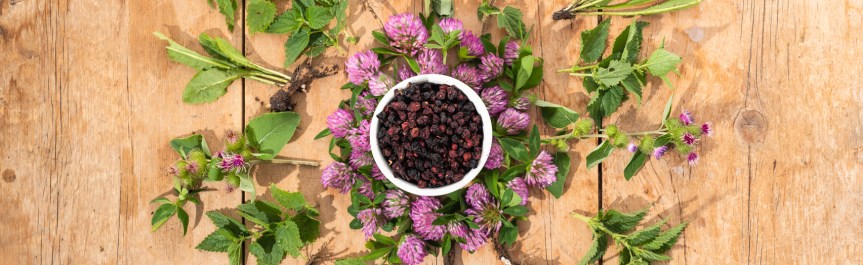
While “detoxing” may appear to be a modern-day answer to what seems like an increasingly toxic world, our ancestors have long incorporated bitter, nutritive herbs and roots into their diets. Modern science has revealed that many of these herbs – such as dandelion, burdock, nettle, Schisandra, and red clover, have a special affinity to support the natural function of our inherent detoxification systems.* Honoring this age-old wisdom, herbalists continue to utilize these herbs to support and nurture these processes rather than encouraging harsh…

View original post 655 more words

Create Your Own Personal Haven—Anywhere

Crooked Bear Creek Organic Herbs's avatarGood Witches Homestead

Stress! It’s the scourge of our contemporary society. And the thought of retiring to a safe haven where you can banish stress, repair your nerves, and renew your life is a concept whose time has come. Creating a personal sanctuary, whether it be in a bedroom, bathroom, patio, garden, or the Great Outdoors, seems to be a cherished goal for many of us stressed-out people.

But how to go about fashioning such a retreat? What elements are required, and can you do it in a limited space and on a tight budget? These questions and many others form the contents of my book, A Sanctuary of Your Own. Perhaps you’ve read books, visited websites, and watched TV programs dedicated to this subject. With wild enthusiasm, you’ve started designing your space, and you’re halfway there. But, somehow things aren’t quite gelling. So in this short article, I’ll distill some of…

View original post 1,536 more words

Cuckoo Bird Totem

Finding the Goddess

Do Plants Scream When Stressed? A Brand New Study Has Some Answers

Noises associated with plants aren’t unfamiliar to those of us who spend time with plants.  We hear plants in the wind, in the rain, and even when fruit capsules explode to release seeds.

Generally, plant noises are considered to be the by-products of mechanical processes, rather than the ways in which plants intentionally communicate with other organisms.

In fact, it almost seems too esoteric to suggest that plants communicate using sounds, yet new research offers insights into the unique ways in which plants may do just that.

Interestingly, many news outlets have picked up on this story and are now reporting on the ability of plants to “scream” in stressful situations.  These situations include drought-like conditions and the physical cutting of stems.

But is that what plants are really doing?  “Screaming” when cut or deprived of water?

That’s the topic of this week’s video, so if you’re unfamiliar with the ability of plants to emit informative airborne sounds in stressful situations, check it out!

Mushrooms utilize all kinds of organic material for sustenance… including the stems and leaves of moss.  If you’re unfamiliar with this particular moss-loving fungus, check out the recent Instagram post!

Thanks for reading and watching, and as always, thank you for your continued support.

-Adam Haritan