Author: Paula Cas
I write fiction, non-fiction, verbiage for all our websites, and have been publishing my fan fiction on my various sites for many years. https://paulacas.com
I am a Spiritual Medium and use Tarot cards as one my primary tools in doing readings. For 30 plus years have been doing readings in settings from my living room to truck stops. I tell you what Spirit wants you know for your betterment, not what you think you need to know.
I’ve worked on computers since before there was such a creature as Windows.
A Mountain Maryland native, but have spent years spent living in Oklahoma, Colorado, Texas, Oregon, California, Nevada, and Arizona. My husband, Oro Cas, and I spent 10 years driving tractor-trailer across the 48 contiguous states.
Oro Cas and I produced and hosted Internet Radio shows on BlogTalk Radio, video productions on KDCL Media and Oro Expeditions YouTube Channels.
The Flavours of Viriditas: My 30 Day Diary of Glorious Green Eating — Gather Victoria

O most honored Greening Force, You who roots in the Sun; You who lights up, in shining serenity, within a wheel that earthly excellence fails to comprehend. You are enfolded in the weaving of divine mysteries. You redden like the dawn and you burn: flame of the Sun. – Hildegard von Bingen, Causae et Curae…
via The Flavours of Viriditas: My 30 Day Diary of Glorious Green Eating — Gather Victoria
DIY Hand Soap Recipes (And Why to Use Thyme Oil!) — Crooked Bear Creek Organic Herbs

Let’s talk about three kinds of Thyme essential oil, and how you can use them to support your health—especially when it comes to keeping your hands clean. Source: DIY Hand Soap Recipes (And Why to Use Thyme Oil!)
via DIY Hand Soap Recipes (And Why to Use Thyme Oil!) — Crooked Bear Creek Organic Herbs
Ramps

By Paris Wolfe
When Jeremy Umansky was at culinary school in 2006, a professor took him foraging in the Hudson Valley. They were looking for fiddlehead ferns, morel mushrooms, and ramps. Umansky –a James Beard award semi-finalist, and owner of Larder Deli in Cleveland – was converted. He has been harvesting that harbinger of spring, ramps, ever since.
For those who haven’t yet heard, 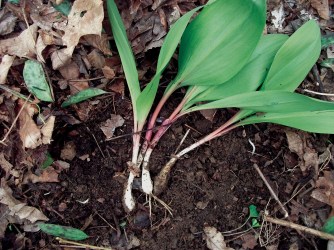 the ramp – also called a wild leek — is a species of wild onion (Allium tricoccum) that is native to North America. The bulbs resemble a scallion, but the leaves are wide and flat. They cover Appalachian forest floors before trees fully leaf out. The flavor is a mix of garlic and onion. And, if you eat too many raw, you will sweat that aroma.
Ramps are high in vitamins A and C, and in lore, they are considered a blood cleanser and part of…
View original post 361 more words
Seeing The Invisible

Title: Seeing The Invisible
Fandom: Sylum Universe: Kung Fu: The Legend Continues; CSI: Crime Scene Investigation
Characters/Pairings: Peter Caine/Kermit Griffin, Original Characters
Rating: PG
Word Count: 1,102
Summary: It had been a perfect weekend getaway, but what they find when they stop on the way home, was eye-opening even for the most hardened law enforcement officer. Written for Human Trafficking Awareness Day.
Read story at: Whispers In The Mind ~ Seeing The Invisible
Benefits of Laurel Essential Oil


Laurel Leaf essential oil has a fresh, spicy scent that opens your lungs and your mind.
It’s invigorating and inspiring.
Laurel has a host of therapeutic properties. I like to remember that it’s associated with achievement and victory. So it’s a great helper when it comes to clearing away anything that stands between you and your best—that’s why it’s good for healing so many issues! (That’s how I like to think of it, anyway!)
Stay focused and clear with Laurel.
I especially love using Laurel for decongestion and mental focus. It is the perfect companion when you have a cold or allergies but still have to go to work.
Use 5 drops of this stock blend in your diffuser.
Ingredients:
- 10 drops Laurel (Laurus nobilis)
- 10 drops Rosemary ct. camphor (Rosmarinus officinalis ct. camphor)
- 20 drops White Spruce (Picea glauca)
- 10 drops Distilled Lime…
View original post 514 more words
Physical Land Healing: How do I know what to do?

Some years ago, I remember one influential druid speaking at a major event and saying, “The best thing you can do in nature is pick up the garbage and get out.” From a certain standpoint, this perspective makes a lot of sense. It is the same perspective held by many conservationists trying to preserve pristine lands or lands that have been replanted and are healing; the best thing that can be done is figure out how to keep people from mucking them up, pick up garbage, and leave them undisturbed. This is a perspective ultimately rooted in the desire to care for nature, to preserve nature, and to do good. Unfortunately, this perspective doesn’t really seem to provide a meaningful way to respond to today’s problems ecologically because it’s largely based on assumptions that mitigate damage rather than actively regenerate ecosystems. This perspective as a whole teaches us how to…
View original post 3,336 more words
Discover the Health Benefits of the ‘Christmas Tree’, Spruce Oil and Pine Oil

The Pine tree is easily recognized as the “Christmas Tree,” but it is also commonly cultivated for its wood, which is rich in resin and is thus ideal for use as fuel, as well as for making a pitch, tar, and turpentine, substances that are traditionally used in construction and painting.
In folk tales, the height of the Pine tree has led to its symbolic reputation as a tree that loves the sunlight and is always growing taller in order to catch the beams. This is a belief that is shared throughout many cultures, which also refer to it as “The Master of Light” and “The Torch Tree.” Accordingly, in the region of Corsica, it is burned as a spiritual offering so that it can emit a source of light. In some Native American tribes, the tree is called “The Watchman of the Sky.”
In history, the Pine tree’s needles…
View original post 4,206 more words
3 Alcohol-Based Hand Rub Recipes – Herbal Academy

The most important prevention measures we can take right now are staying home and practicing social distancing if leaving the house for essential work or trips to the grocery store or pharmacy—that is, staying at least 6 feet away from other people (Centers for Disease Control [CDC], 2020a). Washing hands thoroughly with soap and warm to hot water for at least 20 seconds after being in a public place, after sneezing or blowing your nose, and before eating, drinking, or handling food is also crucial to prevent the spread of the virus; however, if handwashing isn’t possible, the CDC recommends the use of an alcohol-based hand rub with at least 60% ethanol or 70% isopropyl alcohol until you can wash your hands again (CDC, 2020a; CDC, 2020b).
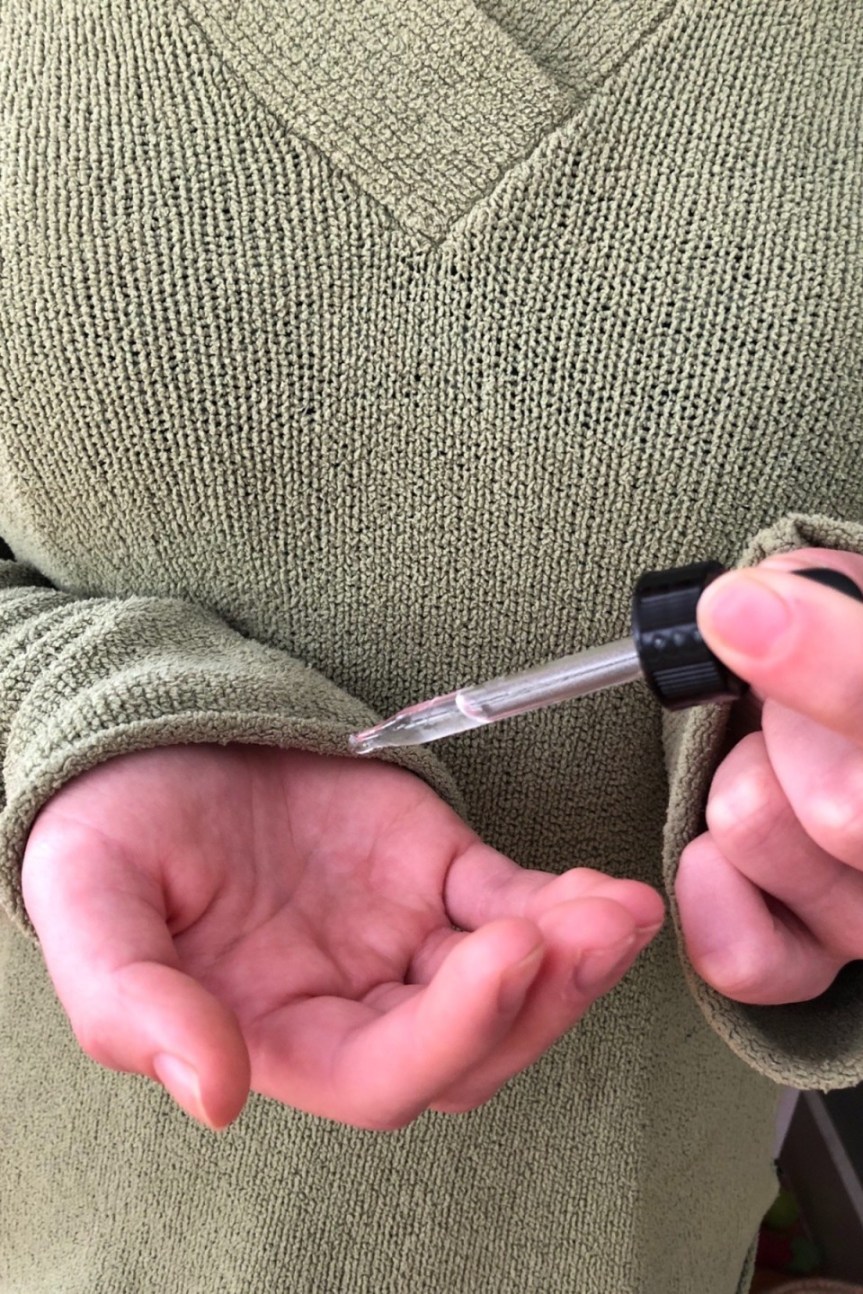
Folks have taken this approach to heart, clearly, because commercially available hand sanitizers are in seriously short supply these days! However, with a…
View original post 990 more words
In Praise Of Wood Frogs

Greetings,
In my neck of the woods, signs of spring abound — from the blooming of Snow Trillium and Sharp-Lobed Hepatica, to the reappearance of the Eastern Phoebe and warmer days.
Among the indications that winter has predictably expired and tipped its hat to another growing season is the emergence of the wood frog.
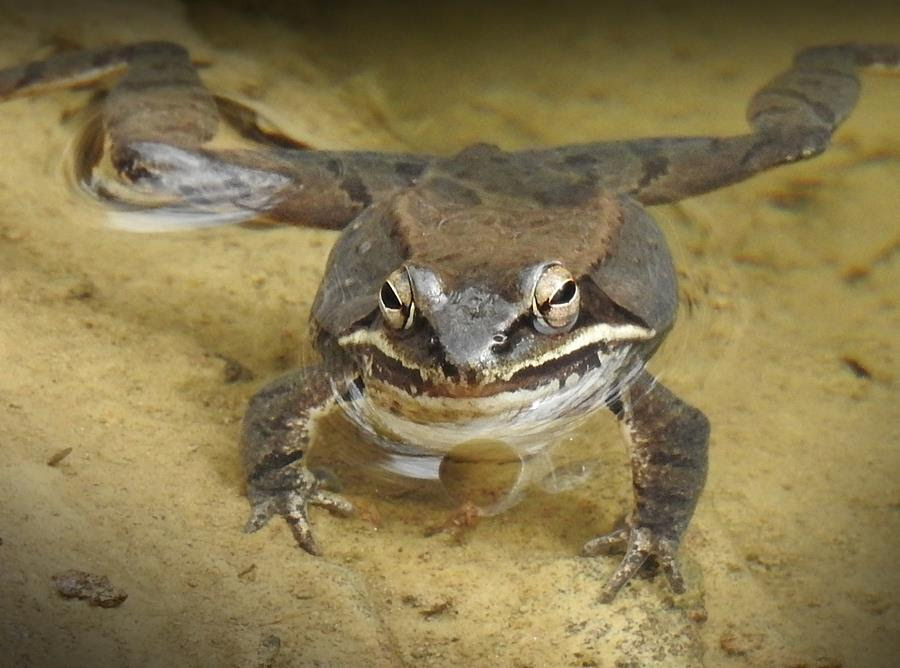
The wood frog is one of nature’s most resilient and adaptable creatures, occupying a range that — at the species level — spans thousands of miles of varied habitats. Perhaps most interesting of all is that this hardy frog has the amazing ability to freeze solid when temperatures plummet… and survive the experience!
The wood frog has been patronizing the local pools lately, allowing itself to be observed and filmed by anyone with any interest in these sorts of things.
As it turns out, I do have a deep interest in these sorts of things, and I recently visited a nearby floodplain to document and film the seasonal manners of this libidinous amphibian.
If you are interested in learning more about the wood frog — and also about vernal pools, cryoprotectants, and holistic approaches to conservation — check out the brand new video!


Have you ever seen something that looks like this? Though it resembles a pinecone, this structure is not produced by any conifer tree. Instead, this pyramidal growth is produced in response to an insect that feeds on a particular flowering shrub. Check out this recent Instagram post to learn more!
Thanks for reading and watching… and as always, thank you for your support!
-Adam Haritan
 Paths I Walk
You must be logged in to post a comment.