
Sponsored by The Herb Society of America’s Long Island Unit
by Jen Munson, Education Chair
Nootropics is a trending topic. Nootropics (pronounced noh-a-trop-iks) includes drugs, supplements, and plants that may improve brain function. According to Allied Market Research, a market research and advisory company, brain enhancing supplements made up $3.50 billion in sales in 2017 and is projected to grow to $5.81 billion by 2023. Unfortunately, it’s an industry that is rife with misleading ingredients and marketing.
 True nootropics should aid natural cognitive function, support and protect brain function, and be non-toxic to the user. The properties and constituents of nootropic herbs have demonstrated numerous benefits. Using medicinal herbs to enhance brain health is nothing new; in fact, many have been used safely and effectively for thousands of years.
Some brain boosting herbs can be readily found in the garden. Although rosemary has been symbolically used to represent remembrance, it…
View original post 455 more words



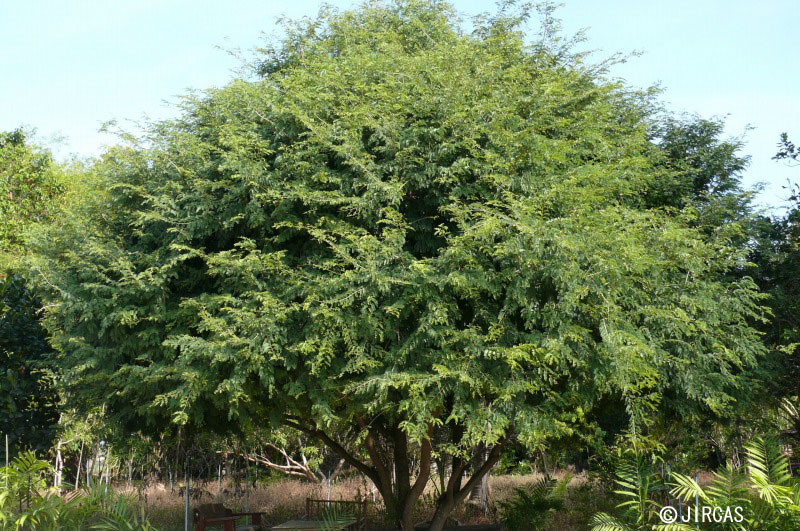 is also an evergreen, long-lived landscape tree, reaching a height of 40 to 60 feet tall and a width of up to 25 feet wide. Its pinnate leaves close up at night. The branches droop to the ground, making it a graceful shade tree. A mature tree can produce up to 350-500 pounds of fruit each year. It is native to tropical Africa and is in the Fabaceae family.





 Paths I Walk
You must be logged in to post a comment.