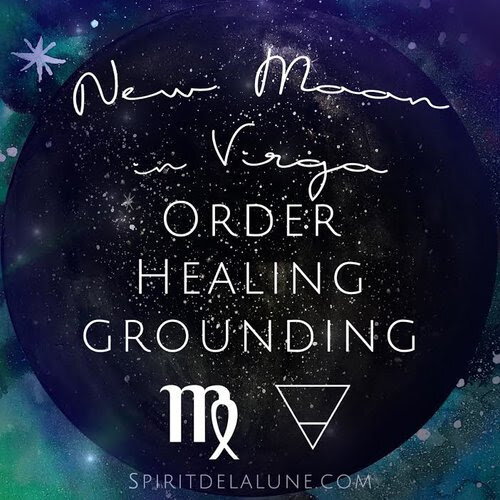

New Moon in Virgo Moonthly Lunar Report | Entering the Harvest Moon

The Harvest cycle represents the fruits of your labor so it’s important to take stock of what is happening and manifesting in your life. Are you proud of what is manifesting? Or would you like to shift it somehow? The best way to shift your energy into a higher frequency is gratitude. Begin to practice gratitude for the blessings that are already present in your life and you will expand your heart for more. The cards pull for the cycle show that there is an opportunity for renewal, support, and reconnection. Reconnect to your heart and take this cycle to ground yourself in your gratitude and allow the blessings to flow.

Mars is opposite Neptune on the 2nd. Be careful not to fool yourself or chase fantasies right now. This aspect has a sense of illusion and mystery around it. You might be feeling motivated towards a goal, but make sure it is aligned with your true intentions. It is also important not to rush things right now.

Read original article at: Spirit de la Lune ~ New Moon in Virgo Moonthly Report | Entering the Harvest Moon

Horehound – Herb of the Month

The Herb Society of America's avatarThe Herb Society of America Blog

By Maryann Readal

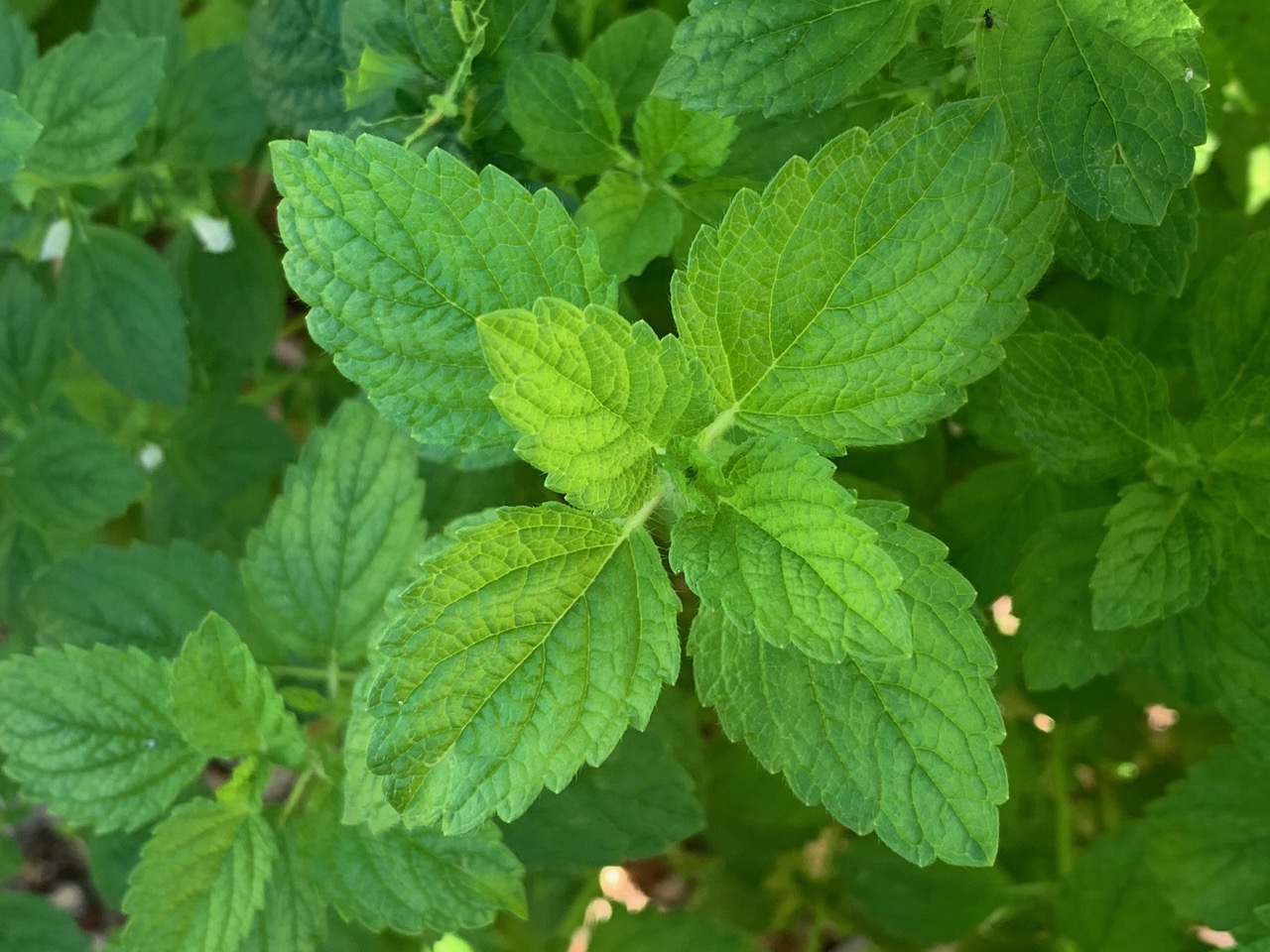
Horehound leavesThe fuzzy, light gray, deeply-wrinkled leaves of horehound (Marrubium vulgare) offer a nice contrast to other colors and textures in the garden. I love that contrast around the base of the red roses in my garden. Horehound is a perennial herb that grows from one to two feet tall, and can spread in the garden. It prefers dry sandy soil and a sunny location, tolerates poor soil, and is hardy in USDA Zones 4‒8. It may be started from seed in the spring, although germination is slow and sometimes not reliable. Cuttings can be taken from a mature plant or the established plant can be divided. Its leaves have a very bitter taste. Horehound produces whorls of small white flowers at the top of the stalk in the second year. The flowers are very attractive to bees, which makes for a tasty honey. The barbed…
View original post 914 more words

Starting a Successful Front Yard Garden and Avoiding Legal Trouble: Interview with Linda Jackson of Natures Harvest Urban Permaculture Farm

Dana's avatarThe Druid's Garden

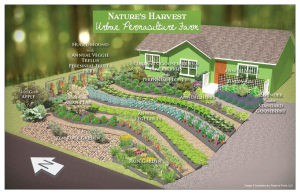
Original design for Nature’s Harvest Urban Permaculture Farm

Six years ago, I shared about Natures Harvest Urban Permaculture Farm, a front-yard garden located in the Detroit metro area. When I shared this post, Linda was in her first year of gardening in this new location, and was regularly selling her produce at a local farmer’s market and engaging with her community.  Here are links to my first two posts about her incredible garden that discusses the original process, design: Nature’s Harvest Urban Permaculture Farm and Return to Nature’s Harvest Urban Permaculture Farm.

A few weeks ago, when I was visiting Linda, I shared some photos of her garden to my social media, and many people responded by saying “she must not have a homeowners association”, “ how did she not get in legal trouble?”, or “my township would make me tear that down!” The questions and comments of…

View original post 3,138 more words

Wild Food Profile: Yellow Dock (Rumex crispus) Seed Flour & Yellow Dock Pancake Recipe

Dana's avatarThe Druid's Garden

Harvested dock seed with a ready-to-harvest yellow dock plant

This past month, I had a chance to visit Silver Acres, my friend’s 5 acre farm in the thumb of Michigan, where she is practicing rewilding, restoration agriculture, and permaculture.  We were walking through her field and found a good deal of yellow dock that was in seed form–which for the Midwest US, usually happens around Lughnasadh (August 1st) and continues to the Fall Equinox.  While I’ve eaten the young leaves and used the roots as medicine, I haven’t had a chance to try making any seed flour yet–so we set about our task joyfully.  I’m quite impressed by how easy this flour is to make (compared to say, acorn flour) and it cuts nicely with other flours.

Foraging for wild foods is not only a fantastic way to connect deeply with the land but also allow us to reconnect…

View original post 1,166 more words

Rites of the Goddess

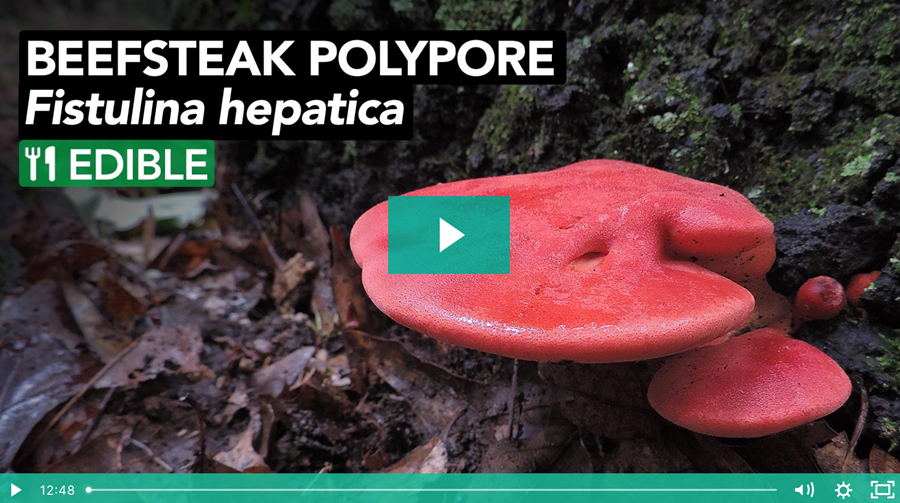
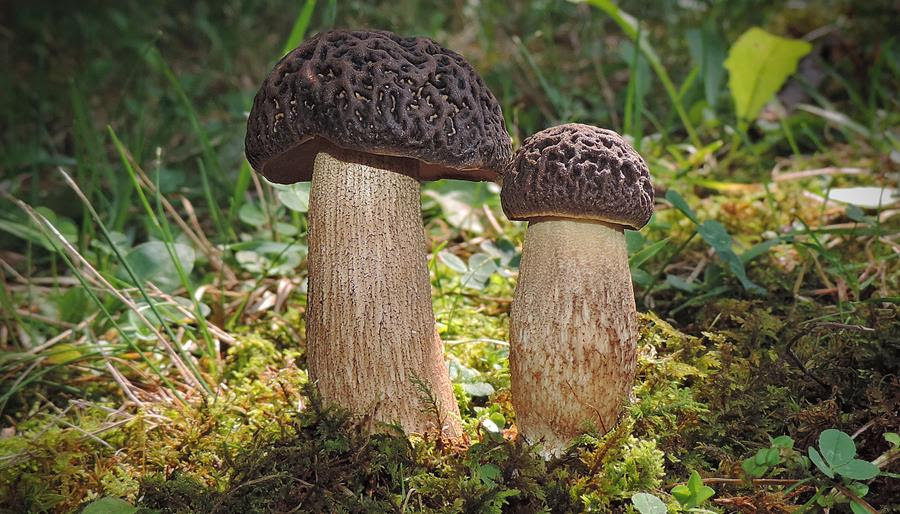
Beware Of Fraudulent Mushroom Products (Many Of Them Are Mislabeled)

A common sentiment among non-foragers is that harvesting wild mushrooms for consumption is dangerous.

“I’ll stick to the mushrooms sold in grocery stores,” the non-foragers say. “They’re much safer.”

Turns out, that’s not always the case.  Commercially sold mushroom products are often mislabeled.  In some instances, the mislabeled products sicken consumers.

A brand new study exposed the widespread inaccuracies associated with commercially sold mushroom products.  Here are 3 major findings from the study:

  1. Many commercially sold “wild” mushrooms are actually cultivated mushrooms.
  2. Of the mushrooms that are actually wild, many of them are not the same species that are listed on the labels.
  3. Some products contain species whose edibility is at best dubious, and at worst potentially toxic.

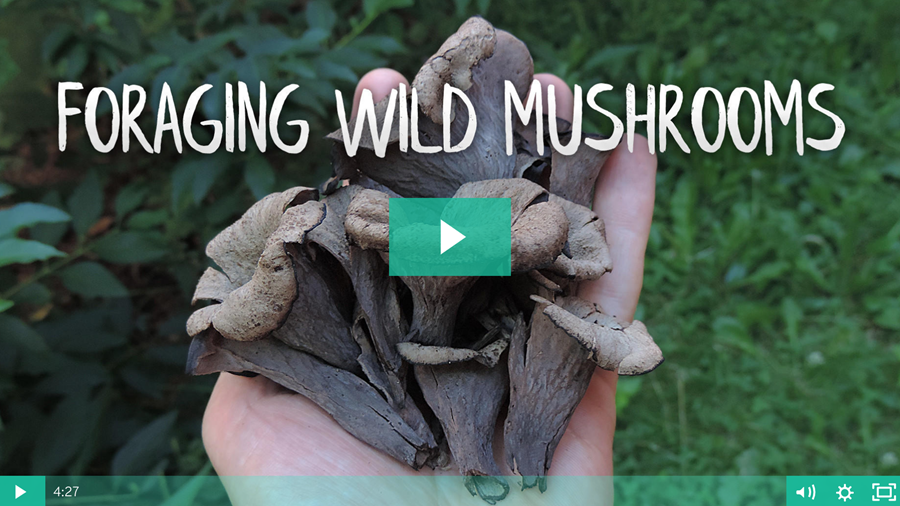
To shed additional light on the topic of fraudulent mushroom products, I filmed a brief video in which I dig a bit deeper into the study’s discoveries.

You can watch the brand new video here.

You’ll never see this fungus sold in products intended for consumption (unless the product is mislabeled, of course), but you will find it growing in coniferous forests this time of year.  Have you seen anything like it?  To learn more about this club-shaped species, check out the latest Instagram post!Click to view post

Thanks for reading and watching, and thanks for your continued support!

-Adam Haritan

HSA Webinar: Herbal Hues

The Herb Society of America's avatarThe Herb Society of America Blog

by Sasha Duerr

Sasha Duerr is an artist, designer and educator who works with plant-based color and natural palettes. Join her this Thursday, August 26 at 3pm Eastern as she explores creating natural dyes. 
Our webinars are free toThe Herb Society of America members and $5.00 for guests. Become a member today, and enjoy all of our webinars for free along with access to the webinar library with over fifty program titles. To register, visit  www.HerbSociety.org/hsa-learn/hsa-webinars/ 


IMG_7166For those who love color AND plants, natural dyes connect you instantly to a vast range of artisanal hues that are truly vital, vibrant, and inherently meaningful through the ingredients themselves.

Plant-based palettes tell stories that are inherent to places, people, and the plants, and plant-based colors can be conjured seasonally from weeds, yard waste, florals, and food. There is an intertwined overlap with natural colors that are awe-inspiring and a…

View original post 1,097 more words

Cultivating Resilience as a Physical and Spiritual Practice

Dana's avatarThe Druid's Garden


A lovely stand of staghorn sumac in bloom! Staghorn Sumac: A tree that teaches us about resilience

Resilience is a term I first learned as a permaculture practitioner–resilient ecosystems are those that are able to withstand hardship, recover quickly when faced with difficulty, and had a capacity to endure. In other words, a resilient ecosystem can withstand drought, flooding, or other difficulties by being adaptable, flexible, and having redundancies. Which of course, is so critical in today’s ever-changing world fraught with climate change and instability.  Resilient plants are the often-maligned weeds: those weeds who take every opportunity to grow: who find a crack in the sidewalk and take root, who immediately start to grow after disruption, or who outcompete less resilient plants. They are able to be like weeds or opportunistic species, taking advantage of new opportunities, finding niches, and gracefully adapting to change. Think of the dandelion here, growing up through cracks in the sidewalk.  This same…

View original post 2,771 more words

Our Minds Limit Science

Potemkin Nation — Potemkin Nation | Ecosophia

There are advantages to learning about history. One of the big ones is that patterns repeat themselves across historical time, and if you know what happened just before other societies went through the important inflection points in their life cycle, you can tolerably often figure out when one of those is abojut to happen in…

Potemkin Nation — Potemkin Nation | Ecosophia