Author: Paula Cas
I write fiction, non-fiction, verbiage for all our websites, and have been publishing my fan fiction on my various sites for many years. https://paulacas.com
I am a Spiritual Medium and use Tarot cards as one my primary tools in doing readings. For 30 plus years have been doing readings in settings from my living room to truck stops. I tell you what Spirit wants you know for your betterment, not what you think you need to know.
I’ve worked on computers since before there was such a creature as Windows.
A Mountain Maryland native, but have spent years spent living in Oklahoma, Colorado, Texas, Oregon, California, Nevada, and Arizona. My husband, Oro Cas, and I spent 10 years driving tractor-trailer across the 48 contiguous states.
Oro Cas and I produced and hosted Internet Radio shows on BlogTalk Radio, video productions on KDCL Media and Oro Expeditions YouTube Channels.
12 Popular Christmas Plants
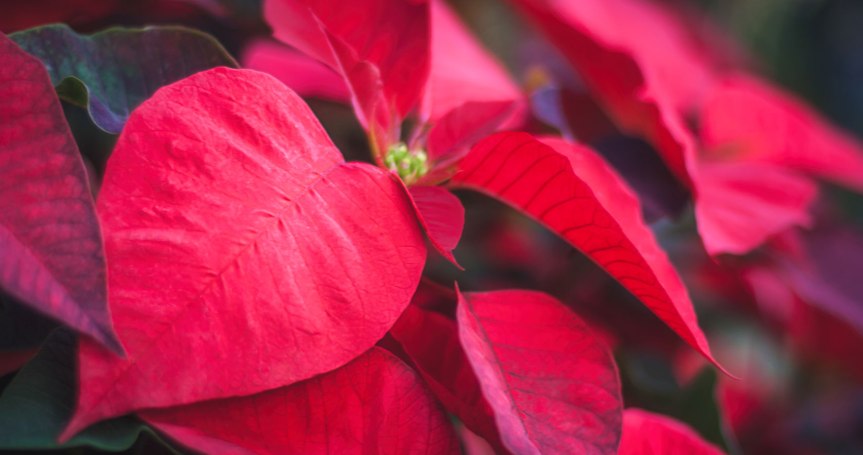
Plants such as holly, ivy, and mistletoe had been used in celebrations long before the advent of Christianity and the Christmas celebrations we know today. Evergreens were used to ward off evil spirits and celebrate new growth during the Winter Solstice Festival as early as ancient times.
As Christian traditions became prevalent in western Europe, greenery was kept as part of the celebrations but ascribed new religious meanings. If you’re curious why today we decorate the Christmas tree, or how mistletoe became the excuse to steal kisses, and what new plants have been gaining popularity as Christmas plants lately, now is the time to make yourself a nice cup of tea and scroll through the gallery of Christmas plants we’ve assembled.
Rosemary

The quintessential holiday herb, rosemary is as classic as the Christmas tree. Its association with Christmas dates back long before the poster child poinsettia had anything to do…
View original post 2,032 more words
Astrorisa Moon Cancer Full Moon Video 12/22/2018
|
|

SOLSTICE JOURNEY + CRYSTAL MAGIC!

HAPPY SOLSTICE!
For those who keep the olde ways in the northern hemisphere, while the winter solstice (Yule) marks the longest night of the year, it also heralds the dawn of a new one.
The Oak King will triumph over the Holly King. The sun will grow stronger. Warmth and life will slowly return to the land.
It is a time of wish magic, setting intentions and divination work for the coming year.
Conversely, in the southern hemisphere, the summer solstice (Litha) marks the longest day of the year.
It is a time of fairy magic, manifestation, and celebrating the abundant splendors of the earth, before the sun begins to wane.
Here are some crystal suggestions for this magical day. You can wear them to tune into the energy of these magical days, and to enhance any of your manifestation, healing, ritual, or spiritual workings.
I’ve also included TWO FREE SPIRIT JOURNEYS below that you can do on solstice day as part of your magical ritual!
Astrorisa Moon Forecast ~Cancer Full Moon ~ 12/22/2018
|
Date: December 22, 2018
|
|
Full Moon in Cancer (Cold Moon)
Saturday, December 22 2018
Time: 12:48 PM EST
Moon 0°Cancer, in House 3
Sun 0°Capricorn, in House 9
North Node 26° Я Cancer, in House 4
South Node 26° Capricorn
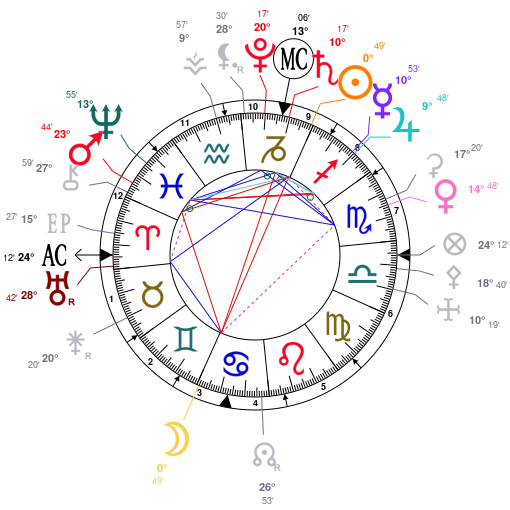  Full moon themes: Family issues and concerns, community work, community concerns, new beginnings, old endings, completing something, the return of an idea or experience. Marital concerns, and exaggeration.
|
Continue reading “Astrorisa Moon Forecast ~Cancer Full Moon ~ 12/22/2018”
Winter Solstice + the Full Moon => A Potent Combination
|

|
|

|
|

|
Have beautiful holidays! May all kinds of blessings come your way!
Brana Mijatovic, Ph.D.
|

Food as Medicine: Pistachio (Pistacia vera, Anacardiaceae)
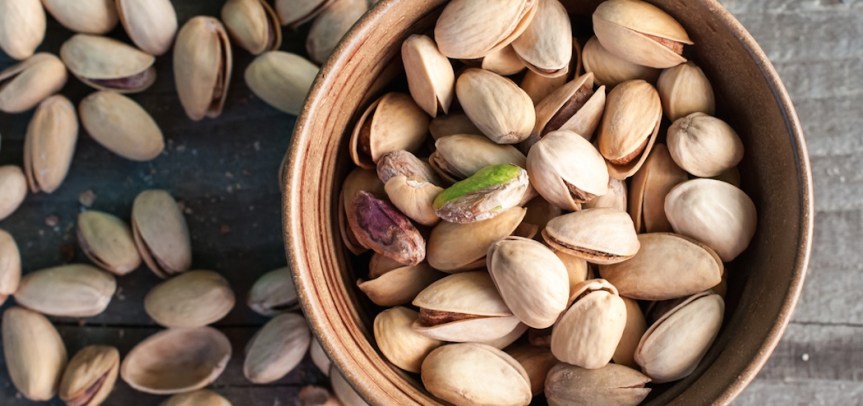

The pistachio (Pistacia vera) is the only commercially grown species in its genus, which belongs to the Anacardiaceae family. Members of the genus Pistacia are among the oldest flowering nut trees and are small to medium in size, and characterized by their ability to exude mastic (plant resin).1,2 Other economically important plants in Anacardiaceae include cashew (Anacardium occidentale) and mango (Mangifera indica).
Pistachio trees are temperate, deciduous trees adapted to the dry, hot, drought-prone climates of the Middle East.1,2,3 The pistachio tree can grow to a height of 10 meters (about 33 feet) and has pinnately compound leaves containing three to seven leaflets.3,4 The trees are dioecious; both male and female pistachio trees produce their own flowers.4 Female trees are wind-pollinated and produce green and brown flowers with no petals during the early summer.1,5 Female pistachio trees produce clusters of nuts…
View original post 3,075 more words
Why Is Peppermint Like Rudolph the Red-Nosed Reindeer


By Kathleen M Hale, Western Reserve Herb Society
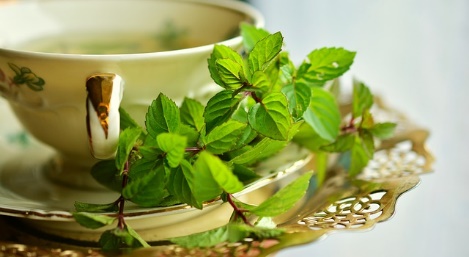 My herb spiral is my mad scientist laboratory. Just outside my kitchen door, it is the only part of my garden to experience full sun. The soil is much-amended with compost. And, that is where I plant essential kitchen herbs and the occasional experiment, like a new herb that bears close watching.
However, over the last few gardening seasons, it has devolved largely into a jungle of mint. Mystery mint. Muddle mint. A promiscuous genetic mix of whatever mint I have ever planted, plus whatever mint blew in on its own. In my defense, that’s what mint does. And sometimes, the result is something else.
Peppermint (Mentha x piperita) is a hybrid plant, a cross between water mint (Mentha aquatica) and spearmint (Mentha picata). It was first mistakenly identified by Linnaeus in 1753 as a separate…
View original post 379 more words
La Befana Cake: Honouring The Old Witch of Winter – Gather Victoria — Good Witches Homestead

According to Italian anthropologists and authors Claudia and Luigi Manciocco, Befana’s origins back to Neolithic beliefs in a great goddess associated with fertility and agriculture. Author Judika Illes writes, “Befana may predate Christianity and may originally be a goddess of ancestral spirits, forest, and the passage of time.” In the book Vestiges of Ancient Manners […]
via La Befana Cake: Honouring The Old Witch of Winter – Gather Victoria — Good Witches Homestead


You must be logged in to post a comment.