Author: Paula Cas
I write fiction, non-fiction, verbiage for all our websites, and have been publishing my fan fiction on my various sites for many years. https://paulacas.com
I am a Spiritual Medium and use Tarot cards as one my primary tools in doing readings. For 30 plus years have been doing readings in settings from my living room to truck stops. I tell you what Spirit wants you know for your betterment, not what you think you need to know.
I’ve worked on computers since before there was such a creature as Windows.
A Mountain Maryland native, but have spent years spent living in Oklahoma, Colorado, Texas, Oregon, California, Nevada, and Arizona. My husband, Oro Cas, and I spent 10 years driving tractor-trailer across the 48 contiguous states.
Oro Cas and I produced and hosted Internet Radio shows on BlogTalk Radio, video productions on KDCL Media and Oro Expeditions YouTube Channels.
The Glorious Rosehip
Sassafras: Beauty and Utility
HSA Webinar: Opening the Gift of Herbs with Kids

By Betsy Smith
One very special way that The Herb Society of America shares the gift of herbs is by awarding Samull Classroom Herb Garden Grants. Each year ten grants are awarded for $300 each. Read about some of the exciting projects from some amazing schools across the country that have received these grants.
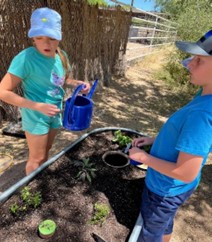 The garden program at the Tucson Waldorf School recently completed an herb garden in their container garden area. This collection of stock tanks and pots is located near the entrance of the school and is available for people to admire, learn from, work on, and glean. It is their hope that community members will stop by the garden and collect herbs to complement their meals.
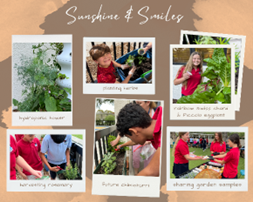 Somerset Academy Boco reported that with the HSA Samull Grant, they established an herb garden while implementing these learning objectives: 1. Apply practical knowledge in the form of gardening…
View original post 495 more words
Growing Dyes and Dye Gardens: A Walk Through a Temperate Dye Garden
The Wildflower That Came Back From The Dead


In 1959, a botanist named Ronald McGregor began a two-year search for a wildflower known as Tennessee purple coneflower.
He knew that Tennessee purple coneflower was rare, but he didn’t know how rare the plant actually was.
Despite his best efforts, Ronald McGregor didn’t find a single specimen. In 1968, he stated that Tennessee purple coneflower was possibly extinct.
Today, things are very different. Tennessee purple coneflower is far from extinct. Anyone who knows where to look can find hundreds of plants. The species is so abundant in some locations that it’s nearly impossible to miss.
What happened in the years between 1968 and 2023? How did Tennessee purple coneflower come back from the dead?
In a brand new video (filmed on location in Tennessee!), I share the remarkable story of this fascinating plant.
You can watch the brand new video here.


Speaking of fascinating plants, prairie smoke (Geum triflorum) is a beautiful wildflower whose distribution in North America is a bit quirky. How so? Check out this recent Instagram post to learn more.
Thanks for reading and watching, and thanks for your continued support!
— Adam Haritan
How To Find Mushrooms In Dry Weather


Any forager will tell you that mushrooms are abundant when rainfall is plentiful.
The reason for this correlation is simple: fungi love water.
Nearly every stage in the life cycle of a fungus requires water — from spore germination, to nutrient uptake, to reproduction, to spore dispersal.
But water isn’t always plentiful. Sometimes it’s scarce. During prolonged absences of rain, many foragers have difficulty finding mushrooms.
I count myself as someone who finds fewer fungi during dry spells, but I’ve also learned how to improve my chances of finding at least a few prized mushrooms when rain is scarce.
In a brand new video, I share 5 tips that will help you find mushrooms in dry weather.
You can watch the brand new video here.


Even when rainfall is plentiful, you probably won’t find many mushrooms in alvars. Instead, you’ll see rare plants that grow nowhere else. To learn about a federally endangered plant that thrives in alvars, check out this recent Instagram post.
Thanks for reading and watching!
— Adam Haritan
SUMMER SOLSTICE “BLACK BALSAM”: A DIVINELY FEMININE LIBATION
HSA Webinar: Tea Blending: Creating Herbal Tea Blends with Balanced Flavor
by Angela McDonald
 Most of the teas that we drink these days are blended at some point. Even teas that seem simple such, as ginger or English Breakfast. The reasons for blending teas are varied but the most important one is this: blended teas taste good. My favorite reason is that when blending teas, the possibilities are endless!
There is nothing magical about the process of tea blending. Just like cooking, it mostly takes experimentation and creativity. Though big companies have whole departments dedicated to flavor experimentation and precise tea blending, there is no reason that we cannot all do this in our home kitchens. The hard part is knowing how to start.
Here are a few tips for blending:
Know your ingredients – not all herbs taste the same even if it seems like they should. Taste each ingredient individually so you can understand it before you start blending…
View original post 202 more words
Embracing the Magic of the Summer Solstice in Your Herb Garden
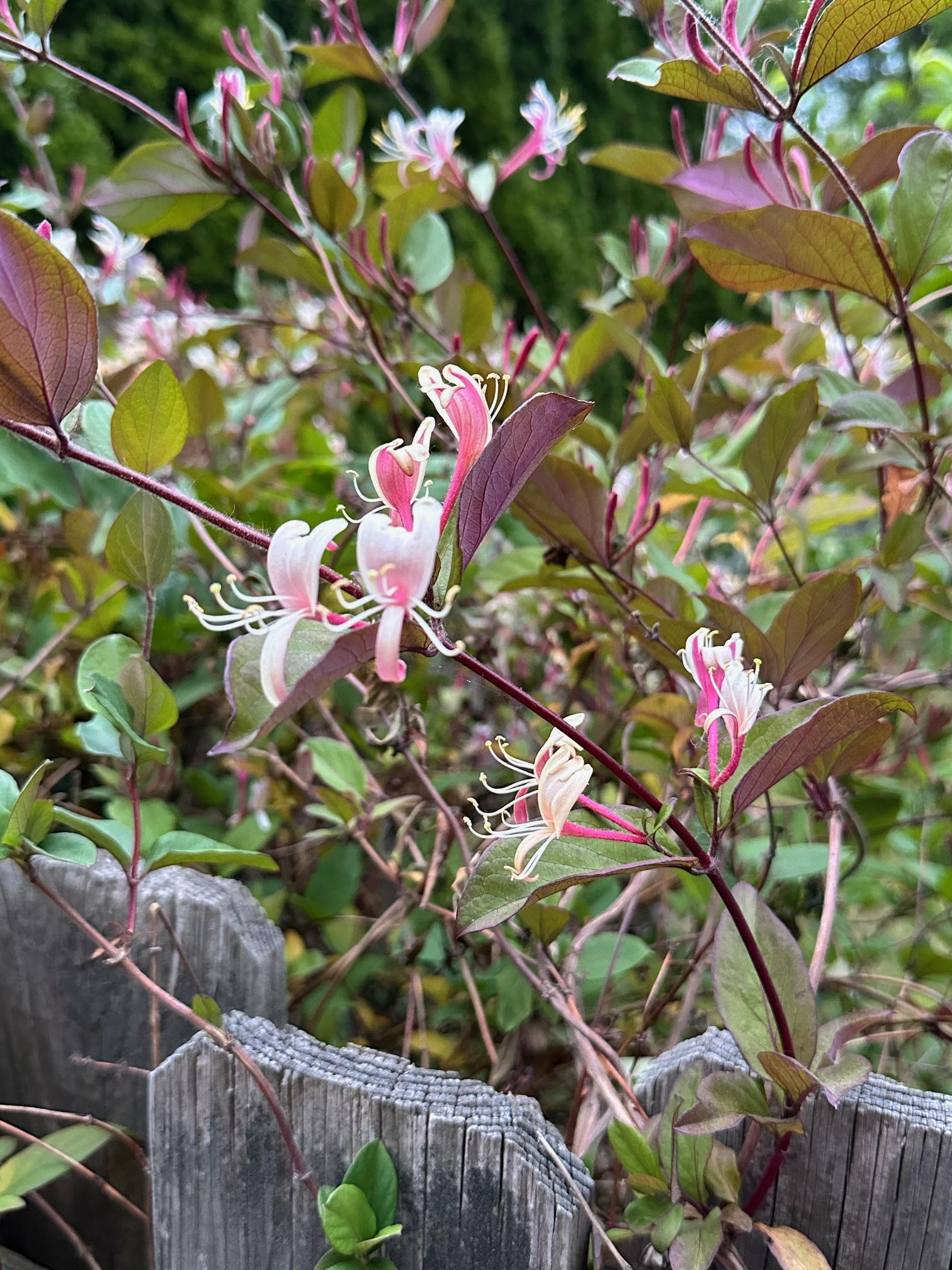 The summer solstice is a time when the natural world is ablaze with life, when the energies of light and warmth are at their peak. This celestial dance of light and shadow held profound significance for our ancestors. It was a time of celebration and thanks for the coming harvests, and a time to relax for a bit and play. Still today, some cultures celebrate by kindling fires, symbolizing the transformative power of the sun, and many communities gather to dance, sing, and rejoice in the abundance of the season.
Within the realms of folklore, the summer solstice is a moment in time when the veils between the human world and the realm of faeries grow gossamer thin. It is said that on the summer solstice eve, you may catch a glimpse of these ethereal beings, frolicking amidst the meadows and woodlands, their presence evoking a sense of wonder and…
View original post 807 more words
 Paths I Walk
You must be logged in to post a comment.