The Forest We Lost — And The One That Came Back

Years ago, I started reading books on Taoism.  One Taoist concept I learned early on was the inevitability of change.  Nothing stays the same, Taoists tell us.  Things move, shift, grow, and fade, whether we’re paying attention or not.

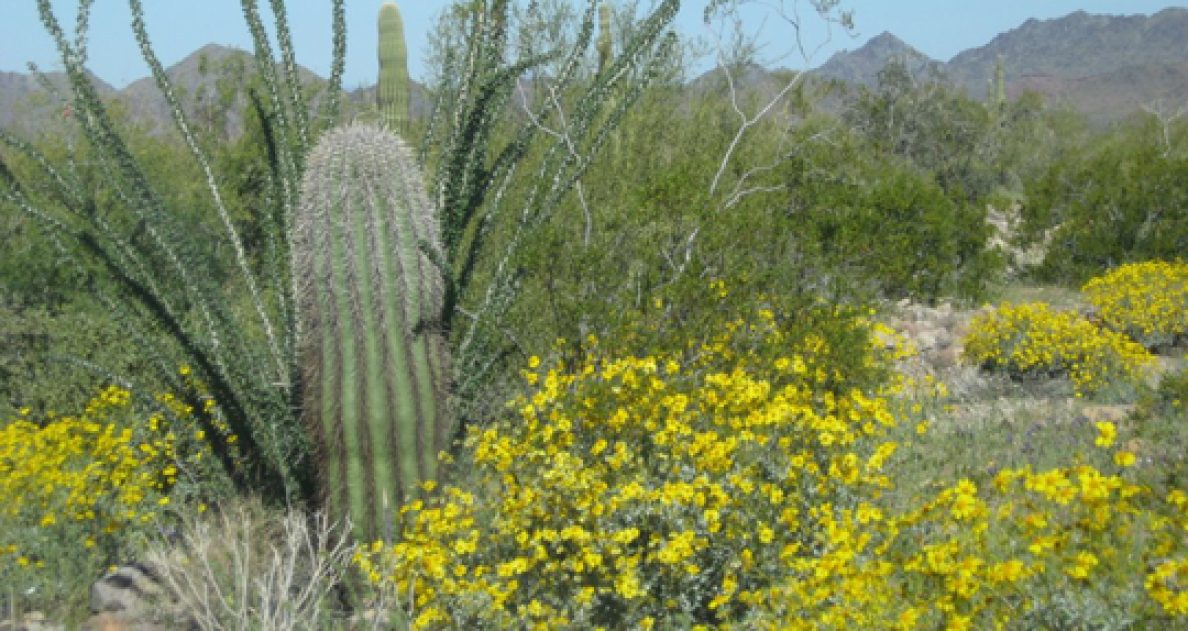
Years later, I became interested in ecology, and I began to wonder:  how do forests change?  Specifically, I began to wonder how forests in the northeastern United States have changed over the past 400 years.

Turns out, I wasn’t the only one wondering about this.  Ecologists have been trying to figure this out for a long time.  What they’ve found is somewhat surprising and even a bit paradoxical:  

After 400 years of intense land use, the northeastern forest is both largely unchanged and completely transformed.

How can that be?  In a brand-new video, I explore this remarkable paradox.

One last thing:  I have a surprise to share with you next Monday, so be sure to check your inbox!

— Adam Haritan

The Ultimate Guide to Chestnut Harvesting, Roasting, and Chestnut Flour

Here on Turtle Island, from the dawn of time until about a hundred years ago, Chestnuts were a staple food crop for all life, including human life.  A nutritious and carbohydrate-rich nut, Chestnut trees produce a bumper crop of nuts every 1-3 years (mast years), are very easy to harvest, can be eaten fresh off the tree, and are easy to process into a wide range of versatile dishes.  You can eat them fresh, roast or boil them, add them to soups or stews, dry them and grind them up to make flour which can be turned into bread, crepes, cookies, and more.  In fact, as far as foods go, I would argue they are one of the very best for long-term sustainability, ecological support, and filling hungry bellies.  As a perennial treecrop, Chestnuts can be a staple part of a regenerative and ecologically-focused food forest (for an example of them being used as part of a larger regenerative agriculture system, you can read Mark Sheppard’s Restoration Agriculture). They have such great promise for transitioning away from fossil-fuel-based agriculture and embracing regenerative approaches to life.

Dana O’Driscoll

The Ultimate Guide to Chestnut Harvesting, Roasting, and Chestnut Flour

Mace—December’s Herb of the Month

By Maryann Readal

Mace and nutmeg inside of the fresh fruit

Mace: The Elegant Twin of Nutmeg

Mace is a wonderfully unique spice. It derives from the Myristica fragrans tree and is native to Indonesia’s Banda Islands—the legendary “Spice Islands”—though it is now also cultivated in Grenada and other tropical regions. You can’t talk about mace without mentioning its twin, nutmeg, because, even though they are different spices, they grow together hidden inside the fruit of the Myristica tree. When the fruit is ripe, it splits open to reveal the seed (nutmeg), which is covered in a delicate, lacy, red membrane, called the aril, otherwise known as mace.

Continue Reading …