Month: November 2025
Humans Don’t Consciously Need Nature


There’s a question that runs through my mind almost every single day:
Why do things look the way that they do?
Of course, I’m mostly referring to why things in nature objectively look a certain way — why a particular forest is coniferous, or why calcium-loving plants grow in certain wetlands.
I think a lot of people ask related questions, but what I’ve noticed over the years is that some of us frame these questions through a negative lens.
We might wonder, for example, why bad things are happening to certain ecosystems, why some landscapes look rough, and ultimately why humans are so disconnected from nature.
I don’t claim to know with absolute certainty why these things are happening, but I think the answer has something to do with this:
Humans don’t consciously need nature.
In a brand-new video, I explain what I mean.

Thanks for reading and watching, and thanks for your continued support!
— Adam Haritan
Elderberry – November’s Herb of the Month
By Maryann Readal
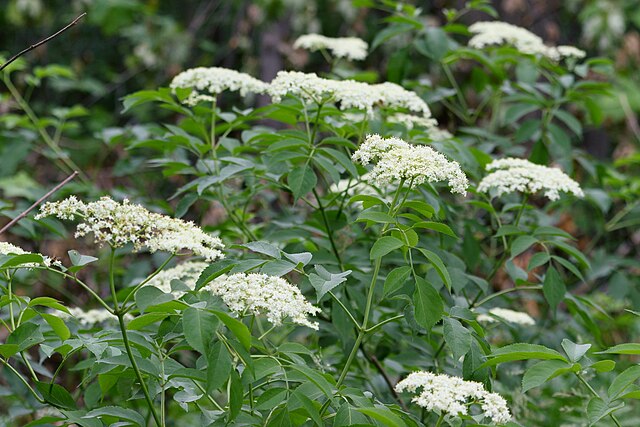
Elderberry (Sambucus canadensis) is an herb of many faces. In spring, its white, lacy blossoms brighten woodlands and hedgerows, attracting bees and butterflies with their sweet fragrance. By autumn, those delicate blooms transform into heavy clusters of deep purple berries — a feast for birds, wildlife, and humans alike. Every part of the elder — flowers, berries, leaves, and even wood — has long been treasured for food, craft, and healing.
A Storied Past
The story of elderberry stretches back to the Ice Age, between 12,000 and 9,000 BCE, when glaciers carried its seeds across North America, Europe, and Asia. By 2000 BCE, early peoples were already cultivating the plant for its medicinal and culinary gifts.
 Paths I Walk
You must be logged in to post a comment.