

Any forager will tell you that mushrooms are abundant when rainfall is plentiful.
The reason for this correlation is simple: fungi love water.
Nearly every stage in the life cycle of a fungus requires water — from spore germination, to nutrient uptake, to reproduction, to spore dispersal.
But water isn’t always plentiful. Sometimes it’s scarce. During prolonged absences of rain, many foragers have difficulty finding mushrooms.
I count myself as someone who finds fewer fungi during dry spells, but I’ve also learned how to improve my chances of finding at least a few prized mushrooms when rain is scarce.
In a brand new video, I share 5 tips that will help you find mushrooms in dry weather.
You can watch the brand new video here.


Even when rainfall is plentiful, you probably won’t find many mushrooms in alvars. Instead, you’ll see rare plants that grow nowhere else. To learn about a federally endangered plant that thrives in alvars, check out this recent Instagram post.
Thanks for reading and watching!
— Adam Haritan

 Most of the teas that we drink these days are blended at some point. Even teas that seem simple such, as ginger or English Breakfast. The reasons for blending teas are varied but the most important one is this: blended teas taste good. My favorite reason is that when blending teas, the possibilities are endless!
 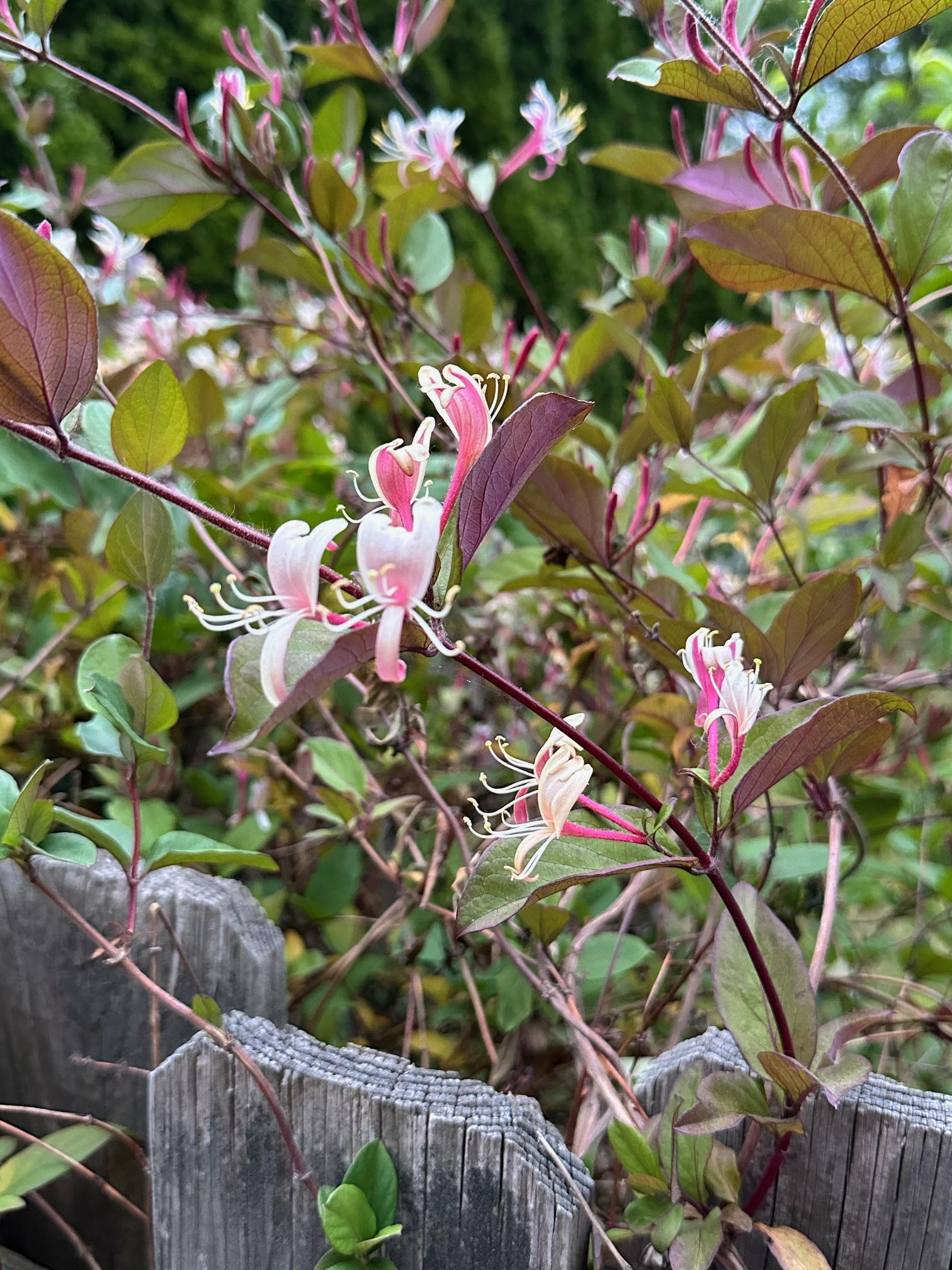 The summer solstice is a time when the natural world is ablaze with life, when the energies of light and warmth are at their peak. This celestial dance of light and shadow held profound significance for our ancestors. It was a time of celebration and thanks for the coming harvests, and a time to relax for a bit and play. Still today, some cultures celebrate by kindling fires, symbolizing the transformative power of the sun, and many communities gather to dance, sing, and rejoice in the abundance of the season.
 Paths I Walk