
Source: Seven Herbs and Supplements for Type 2 Diabetes – Crooked Bear Creek Organic Herbs

There are two main types of diabetes. Type 1 diabetes is where the pancreas produces no insulin. Type 2 diabetes is more common. With type 2, the body either does not produce enough insulin or produces insulin that the body does not use properly.
There are many treatment options for people with type 2 diabetes. Growing research suggests that some herbs and supplements may help with the condition.
Useful herbs may be great to combine with more traditional methods to find relief from many type 2 diabetes symptoms.
Seven herbs and supplements
Here are seven herbs and supplements that may be of benefit to people with type 2 diabetes.
Aloe vera
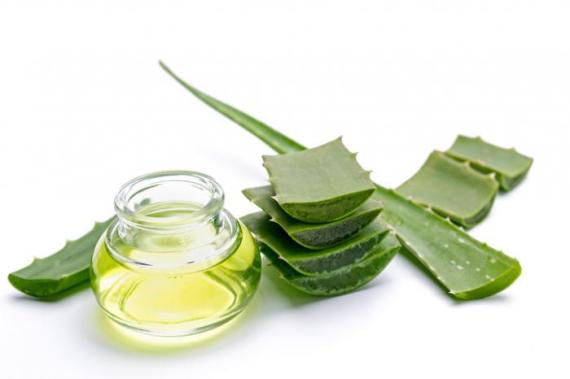
Studies suggest an antidiabetic potential for aloe that may lower blood sugar levels.
Aloe vera is a common plant with many different uses. Most people are aware of the plant being used to coat the skin and protect it from damage caused by too much sun exposure.
However, the plant has many lesser-known benefits as well. These range from helping digestive issues to possibly even relieving type 2 diabetes symptoms.
One review analyzed many studies using aloe vera to treat symptoms of diabetes. Their results strongly suggested an antidiabetic potential for aloe. Subjects given aloe showed lower blood sugar levels and higher insulin levels.
Further tests showed that aloe helps to increase how much insulin is produced by the pancreas. This could mean that aloe helps to restore bodies with type 2 diabetes or protect them from further damage. The researchers called for more studies to be done on aloe and its extracts to be certain of these effects.
There are many ways to take aloe. The juice pulp is sold in many markets and added to drinks, and extracts are put into capsules to be taken as supplements.
Cinnamon
Cinnamon is a fragrant herb created from the bark of a tree and is commonly found in kitchens. It has a sweet and spicy fragrance and taste that can add sweetness without any additional sugar. It is popular with people with type 2 diabetes for this reason alone, but there is much more to cinnamon than just flavor.
A review found that subjects with metabolic syndrome and type 2 diabetes who were given cinnamon showed positive results in many different areas such as:
- blood sugar levels
- insulin levels
- insulin sensitivity
- blood fat levels
- antioxidant levels
- blood pressure
- body mass
- time to process food
These are important markers for people with diabetes. From this research, it may be said that cinnamon is important for everyone with type 2 diabetes to take.
The researchers did note that the type of cinnamon and the amount taken does have an effect on the results, however. Only the highest quality cinnamon or cinnamon extracts in capsule form should be used as a complementary treatment method.
An experienced health care practitioner should always be consulted before starting to use cinnamon heavily as a supplement.
Bitter melon
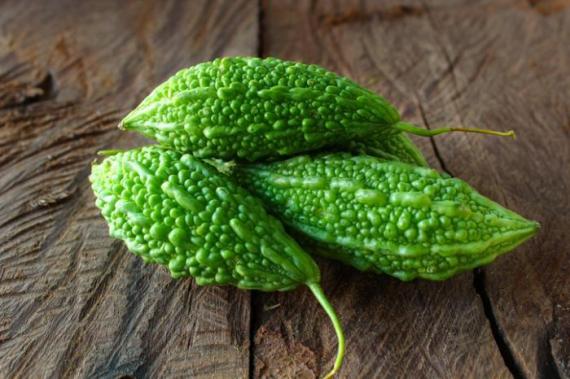
Bitter melon is a traditional Chinese and Indian medicinal fruit. Research suggests that the seeds may help to reduce blood sugar levels.
Momordica charantia, also known as bitter melon, is a medicinal fruit. It has been used for centuries in the traditional medicine of China and India. The bitter fruit itself is cooked into many dishes, and the plant’s medicinal properties are still being discovered.
One discovery being backed by science is that bitter melon may help with symptoms of diabetes. One review noted that many parts of the plant have been used to help treat diabetes patients.
Bitter melon seeds were given to both people with type 1 and type 2 diabetes to reduce their blood sugar levels. Blended vegetable pulp mixed with water also lowered blood sugar levels in 86 percent of the type 2 diabetes patients tested. The fruit juice of the bitter melon also helped to improved blood sugar tolerance in many cases.
Eating or drinking the bitter melon can be an acquired taste. Luckily, similar effects were noted with extracts of the fruit taken as supplements as well.
There is not enough evidence to suggest that bitter melon could be used instead of insulin or medication for diabetes. However, it may help patients to rely less on those medications or lower their dosages.
Milk thistle
Milk thistle is a herb that has been used since ancient times for many different ailments and is considered a tonic for the liver. The most studied extract from milk thistle is called silymarin, which is a compound that has antioxidant and anti-inflammatory properties. It is these properties that may make milk thistle a great herb for people with diabetes.
A review notes that many of the studies on silymarin are promising, but the research is not strong enough to begin recommending the herb or extract alone for diabetes care.
Many people may still find that it is an important part of a care routine, especially since the antioxidant and anti-inflammatory properties can help protect against further damage caused by diabetes. Milk thistle is most often taken as a supplement.
Fenugreek
Fenugreek is another seed with the potential to lower blood sugar levels. The seeds contain fibers and chemicals that help to slow down the digestion of carbohydrates like sugar. The seeds may also help delay or prevent the onset of type 2 diabetes.
A recent study found that people with prediabetes were less likely to be diagnosed with type 2 diabetes while taking powdered fenugreek seed. This was caused by the seed increasing the levels of insulin in the body, which also reduced the sugar in the blood.
Researchers found that the seed helped to lower cholesterol levels in patients as well.
Fenugreek can be cooked into certain dishes, added to warm water, or ground into a powder. It can also be added to a capsule to be swallowed as a supplement.
Gymnema
Gymnema is a relatively new herb on the Western market. In the plant’s native home of India, its name means “sugar destroyer.” A recent review noted that both type 1 and type 2 diabetes patients given Gymnema have shown signs of improvement.
In people with type 1 diabetes who were given the leaf extract over a period of 18 months, fasting blood sugar levels were lowered significantly when compared to a group that received only insulin.
Other tests using Gymnema found that people with type 2 diabetes responded well to taking both the leaf and its extract over various periods of time. Using Gymnema lowered blood sugar levels and increased insulin levels in the body of some patients.
Using either the ground leaf or leaf extract may be beneficial for many people with diabetes.
Ginger

Ginger has been used for many years to treat digestive and inflammatory issues. Recent research suggests that it may reduce insulin resistance.
Ginger is another herb that science is just discovering more about. It has been used for thousands of years in traditional medicine systems.
Ginger is often used to help treat digestive and inflammatory issues. However, a recent review posted to shows that it may be helpful in treating diabetes symptoms as well.
In their review, researchers found that supplementing with ginger lowered blood sugar levels, but did not lower blood insulin levels. Because of this, they suggest that ginger may reduce insulin resistance in the body for type 2 diabetes.
It is important to note that the researchers were uncertain as to how ginger does this. More research is being called for to make the claims more certain.
Ginger is often added to food raw or as a powdered herb, brewed into tea, or added to capsules as an oral supplement.
Important considerations for people with diabetes
It is always best to work with a healthcare professional before taking any new herb or supplement. Doctors usually have patients start out on a lower dose and gradually increase it until a comfortable dose is found.
Some herbs can interact with other medications that do the same job, such as blood thinners and high blood pressure medications. It is very important to be aware of any interactions before starting a new supplement.
It is also important for people to get herbs from a high-quality source. Herbs are not monitored by the United States Food and Drug Administration (FDA). Products may contain different herbs and fillers, recommend an incorrect dose, or even be contaminated with pesticides.
Herbs and supplements should be seen as a complementary treatment option, and should not replace medications.
Working closely with a knowledgeable healthcare professional, herbs can be a great addition to many care programs for diabetes.

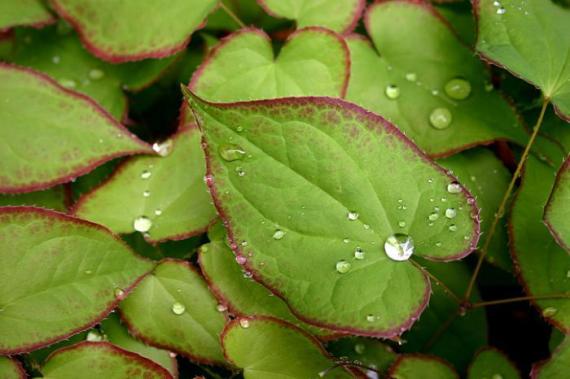


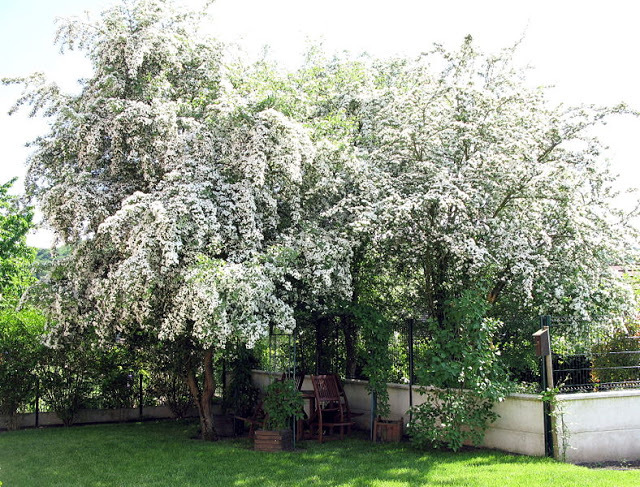
 Hawthorn berries possess a potent and effective astringent effect – this is very effective in the treatment of problems such as diarrhea and dysentery in patients. The digestive system also benefits due to the relaxant action possessed by the hawthorn leaves, flowers and berries – the herbal remedy also boosts the appetite. At the same time, it acts in relieving abdominal distension and in the removal of stagnation of food in the intestinal tract. Hawthorn herbal remedies also have an effective relaxing effect on the functioning of the nervous system, the herb aids in relieving excessive stress and anxiety, it helps in calming mental agitation, it lessens restlessness and reduces nervous palpitations. The herb also induces sleepiness in people affected by insomnia. The herbal remedies made from the hawthorn also have a diuretic action on the body, it aids in relieving fluid retention in the body and helps dissolve deposits of kidney stones and gravel. The herb is helpful to women in menopause, as it aids in removing debility or night sweats in those affected by them. The hawthorn berries can be made into an herbal decoction, which can be used as an astringent gargle for sore throats as well as an herbal douche for women affected by excessive vaginal discharges.
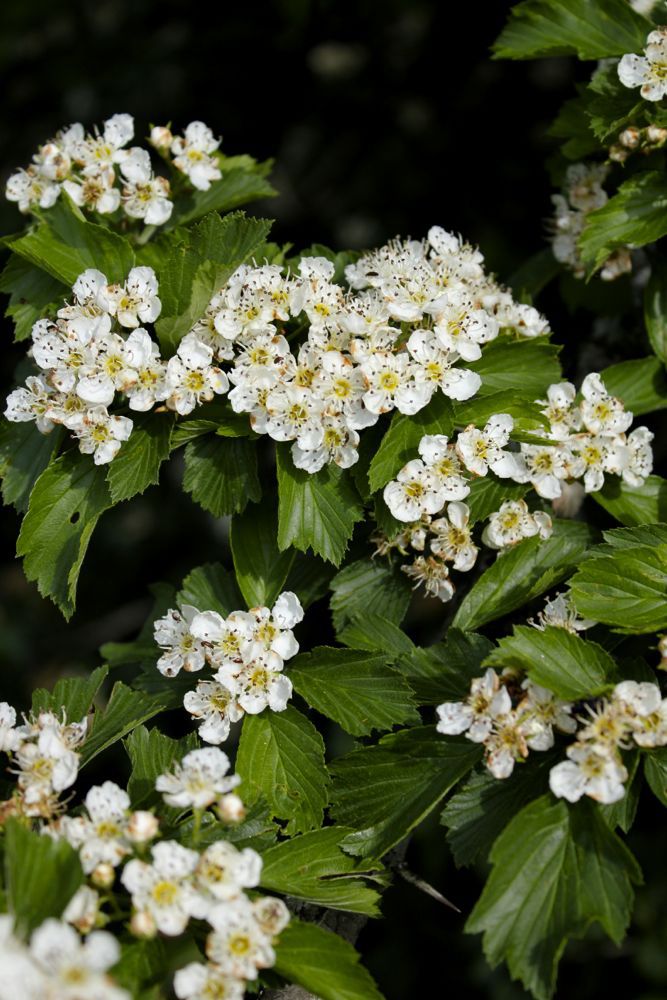 The hawthorn family of herbs is represented by a family of one hundred to two hundred related species of small trees and shrubs, found in the North American continent, with huge populations in the eastern part of the United States of America. This family of related plants has a very confusing and difficult taxonomy. Though no longer used for most, the hawthorn herb was initially divided into many species. At least 1,100 specific names were published, most of which are no longer accepted. At the same time, many different varieties of the plant are recognized, and hybrids of the herb do exist in the wild. The hawthorn family serves as an important source of food for wildlife; these plants also serve as foliage and cover for animals. The many species which bear fruits that can persist over the winter are particularly of great value to different animal communities in the forest. The many varieties of the hawthorn are utilized in environmental plantings in many forestation projects. Hawthorn plants are very hardy and can tolerate conditions in many different sites with a variety of climatic and soil conditions, due to this, the plants have been planted for stabilizing river banks, and have also been used to shelter reverie belts, as well as being used for erosion control of the soil.








 Uses..
 Paths I Walk
You must be logged in to post a comment.