Yarrow {Achillea millefolium} – Good Witches Homestead

Yarrow {Achillea millefolium}

Family: Asteraceae

It’s said that, as a baby, the great Greek warrior Achilles was dipped in yarrow by his mother, to give him his superhuman strength – but that she held him by his heel. That being the only area not covered, he was of course later slain by an arrow to his Achilles’ heel,” his only weak spot. And don’t forget the medieval teaching that yarrow grew in churchyards as a reproach to the dead who need not have died had they eaten their yarrow. In China, it is believed that even the stalks are powerful; they have been historically used to cast the I Ching.

Description:

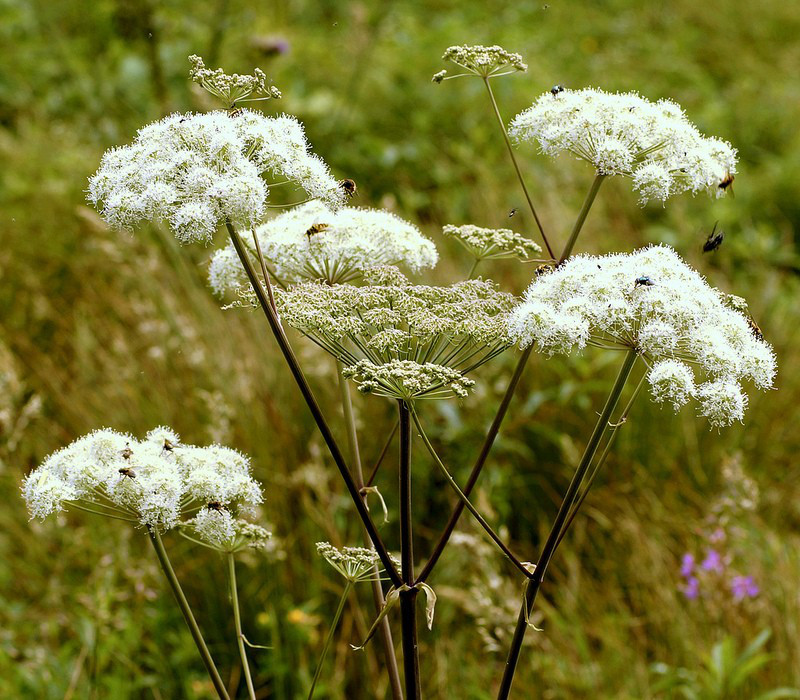
Yarrow grows as a low, spreading a mat of finely dissected, aromatic leaves that reach about 1 foot high. Umbrella-shaped clusters of tiny white flowers appear above the foliage in summer on stalks up to 2 feet high. Achillea is native to the entire northern hemisphere {North America and northern Eurasia}. If you want to grow the most potent medicine, stick to the white-flowered species and don’t choose any of the other lovely flower colors that are available in nurseries.

Preparations and Dosage:

Make an infusion by steeping 1/4 cup of the dried flowers in 2 cups of water for 20 to 30 minutes. Drink 1 cup of the tea two or three times daily. This is a mild herb, and it can be taken regularly for 2 to 3 weeks.

A traditional combination of easing fevers and other symptoms of flu is one part yarrow leaf or flower, one part elder flower, and one part peppermint leaf. Infuse the herb combination for 30 minutes and drink it throughout the day as desired.

The leaf is well known for its ability to stop bleeding when applied directly to a wound, and you can carry it dried and powdered in your first aid kit.

Healing Properties:

Yarrow tea is slightly bitter and aromatic and is a famous European remedy used to ease the symptoms of colds, flu, painful digestion, “liver stagnation” {weak bile flow} accompanied by poor fat digestion, and a feeling of fullness after meals, especially fatty ones. Laboratory studies have definitively established that yarrow has anti-inflammatory, antispasmodic {relaxing the smooth muscles found in the uterus and digestive tract}, anti-fever, and antiviral effects. As an extra bonus, yarrow seems to have a calming effect, which can help with PMS and other nervous conditions, and it stops bleeding when applied to a wound.

It turns out that there is a fair amount of variation in the chemistry and biological actions in wild yarrow populations, so we recommend growing your own from seed or from plants obtained from one of our recommended sources rather than purchasing plants from nurseries or gathering them from wild populations.

Safety:

Avoid yarrow during pregnancy and while nursing unless you are under the guidance of an experienced herbal practitioner. Allergic reactions to members of the Asteraceae family, though rare, are known in sensitive individuals. They can manifest as a skin rash {even from just handling the herb, which is more likely with the fresh plant}, digestive upset, or headaches.

In the Garden:

Yarrow is found from sea level to above the timberline in the wild, so you know it is highly adaptable. It thrives in full sun but can tolerate partial shade, loves water but can endure mild drought, is winter hardy, and spreads quickly in cultivated {or disturbed} soil. It does like poor, acidic conditions, so do not fertilize it. Let it dry out between waterings.

You can grow yarrow from seed if you sow in the fall or stratify the seed before planting. {It’s often sown directly.} But root division is another good method and can help control the plant since it has a tendency to spread.

Harvesting Yarrow:

Snip off the flower clusters when it’s in full white bloom {no color varieties, please and thank you}, and then cut the stalk all the way to the ground to encourage further blooming. You can harvest the leaf at any time of year. For drying, you can also cut long flowering stalks and use the hanging method, snipping the flowers off later. Keep the whole flower clusters intact when you store them.

Additional Information on Yarrow:

Also, Known As:

  • Gandana
  • I-chi-kao
  • Milfoil
  • Millefoil
  • Noble Yarrow
  • Nosebleed
  • Old Man’s Pepper
  • Soldier’s Woundwort
  • Stanchgrass
  • Thousand-leaf
  • Thousand-seal
  • Yarrow

See the entire article at its Source: Yarrow {Achillea millefolium} – Good Witches Homestead

Nasturtium 101 – Good Witches Homestead

Source: Nasturtium 101 – Good Witches Homestead

COMMON NAME:  nasturtium
GENUS: Tropaeolum
SPECIES: T.major; T. minor
FAMILY: Tropaeolaceae
BLOOMS: summer
TYPE: annual
DESCRIPTION:  Very colorful, five-petaled blossoms grow on short or trailing plants. The leaves are round and attractive. Blossom colors include red, pink, and yellow and hues in between.
CULTIVATION:  Nasturtiums are very adaptable and can grow in poor soils and under drought conditions. They need well-drained soil and plenty of hot sunshine.

The genus name, Tropaeolum, is a Greek word meaning “to twine” and is descriptive of the growth habit of many species within this genus. Another possible explanation for the origin of this name is the Greek word for trophy, tropaion, for to some people the flowers looked like a Roman helmet or round shield.
T. minor, first found growing in Mexico and Peru, has been in cultivation since the middle of the sixteenth century. Nicolas Monardes, a physician from Seville who wrote the first herbal about New World plants {Joyfull Newes Out of the Newe Founde Worlde}, introduced nasturtiums to England in 1574. He called them Flowers of Blood, a translation of their Spanish name. Because of the tartness of the leaves, the English called this new plant Indian cress. Its larger cousin, the T. major, was not introduced to the garden until over a hundred years later. Other common names included canary flower, yellow larkspur, and lark’s heel.
The name nasturtium is from Latin words meaning “nose twister.”
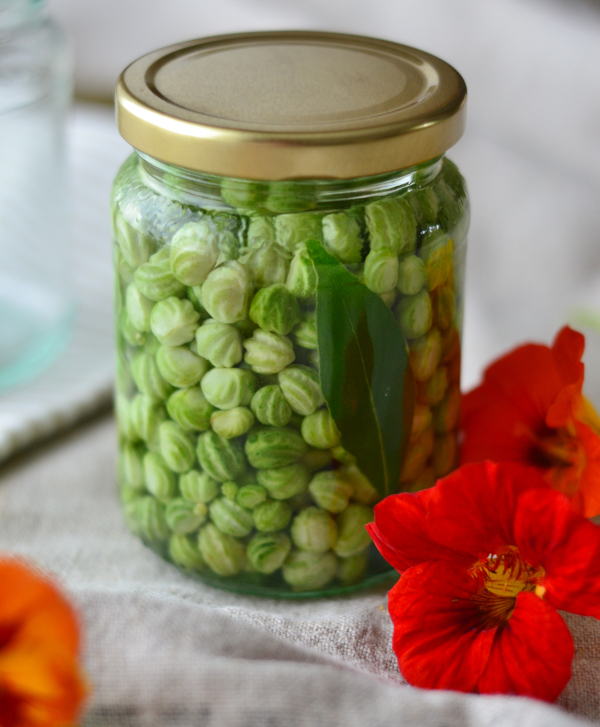
Pickled-nasturtium-seeds-recipe-Poor-Mans-Capers-Decorators-Notebook-blog-5Nasturtiums have been used extensively for their taste and medicinal value. Sailors took barrels of pickled seeds on long voyages and ate them to combat scurvy. The pickled seeds were eaten like capers. Eating nasturtium blossoms was said to soften the muscles, or keep them from getting stiff. Oil from the seeds was rubbed on the body after exercising for this same purpose.
Eating nasturtiums are still popular today. The leaves can be eaten raw in salads, and the blossoms serve as colorful holders for dips or sandwich fillers.

To make Stuffed Nasturtiums, mix together 8 ounces of cream cheese, one small can of drained crushed pineapple, and 1/4 cup of chopped pecans {or walnuts}.
Form this mixture into small balls and carefully stuff each ball into a large, firm nasturtium blossom.

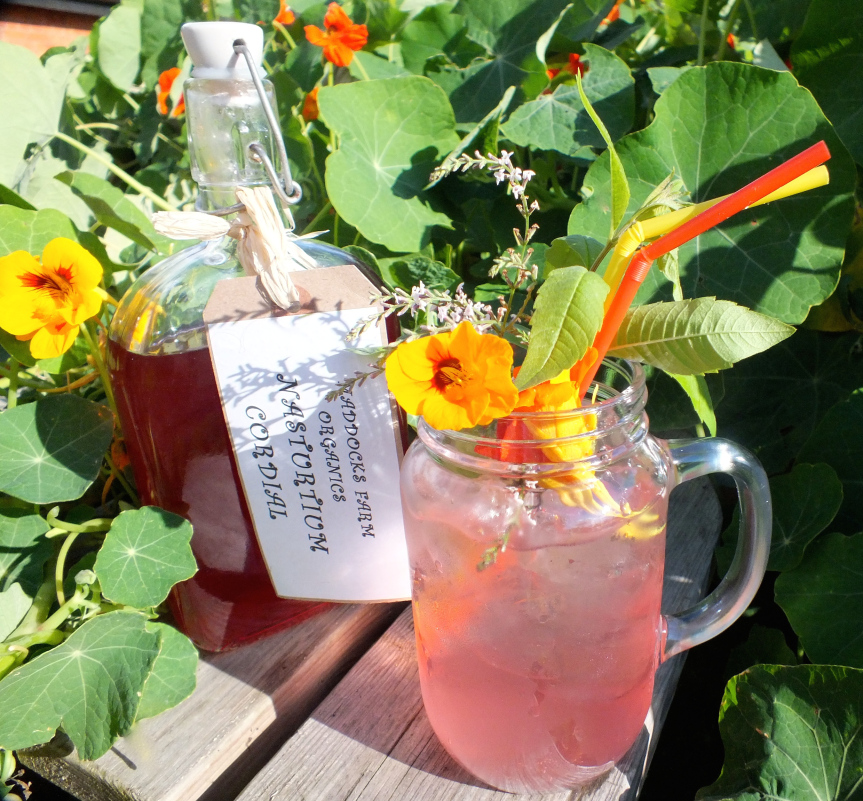
nasturtium cordialNasturtium Cordial

Nasturtium cordial is a stunning and refreshing summer drink when diluted with sparkling water and can also be used as a syrup for flavoring cocktails etc.

200grms of organic caster sugar

225ml of water

50 nasturtium flowers

large sprig of lemon thyme or lemon verbena (a small piece of finely chopped ginger is also a great addition)

a squeeze of lemon juice

Pop all the ingredients (except the lemon juice) into a pan and gently bring to the boil stirring until all the sugar is dissolved. Cover, take off the heat and allow to sit for until completely cold and then strain out the flowers and herbs.

Decanted into a clean sterile bottle and the cordial will keep for up to two weeks in the fridge.

~ Ostara ~ Spring Equinox ~ Ye Olde Dark Arts

By Dark Witch

Source: ~ Ostara – Spring Equinox ~ – Ye Olde Dark Arts

 ostara

Vernal or Spring Equinox, the Rites of Spring, Lady Day, Alban Eiber and Bacchanalia.The Spring Equinox occurs between March 19th and 22 in the Northern Hemisphere and between September 19 and the 22 in the Southern Hemisphere. Ostara marks the day when night and day are equal and balanced.

Altar decorations: Colored eggs, seeds, earth, flowers and herbs appropriate

Animal: Hares, Lambs, Rabbits, Snakes

Colors: All pastels, yellow, pink, green, blue

Drinks: wines, dandelion, lindon teas, hyssop

Flowers And Herbs: all spring flowers. Irish moss, crocus flowers, daffodils, Easter lilies, honeysuckle, iris, jasmine, roses, strawberry, tansy and violets. Acorn, Celandine, Cinquefoil, Dandelion, Dogwood, Honeysuckle, Iris, Jasmine, Rose, Tansy, Violet

Foods: Eggs, honey, bread, seeds, sprouts and green leafy vegetables

Incense: Jasmine, African violet, rose, sage, strawberry, violet flowers, orange peel, rose petals, lotus, magnolia, ginger

Oils: Magnolia, ginger, lotus

Spells: Healing, purification, psychic awareness, fertility and Air Magic

Stones: Amethyst,  aquamarine, jasper, moonstone and rose quartz.

Traditions:  Decorating Eggs,  getting rid of old and unwanted items that are no longer used, planning and preparing land for herbal, floral and vegetable gardens.

Copyright © 2002 – Present Ye Olde Dark Arts

Late Spring Flower ~ Wallflower – Good Witches Homestead

Source: Late Spring Flower ~ Wallflower – Good Witches Homestead

COMMON NAME:  wallflower
GENUS:  Cheiranthus
SPECIES:  C. allioni, C. cheiri
FAMILY:  Cruciferae
BLOOMS:  late spring-summer
TYPE:  perennial
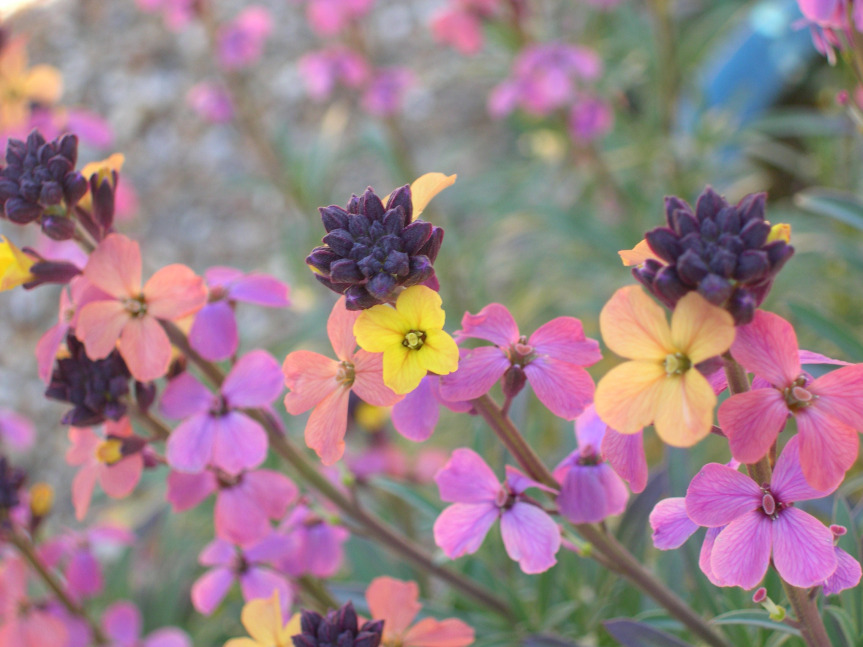
DESCRIPTION:  Wallflowers come in lovely shades of orange, apricot, and yellow. Plants grow to a height of 14 to 18 inches. Numerous flowers occur at the ends of spikes. Leaves are long and narrow.
CULTIVATION:  Wallflower plants cannot tolerate extreme heat and humidity. Given a sunny, airy spot in a mild climate, though, wallflower produce bright blossoms over a long period, if it is watered regularly. The plants grow easily from seed, which should be sown directly in the flowering site in spring. Blossoms often come the first year from seed.

The following legend tells us of the origin of wallflower: The daughter of a Scottish lord fell in love with the son of an enemy border chieftain  The fathers, of course, took offense at the match, and the lord betrothed his daughter to a prince of his choosing and locked her up in a tower until the wedding was to take place. The chieftain’s son, posing as a minstrel, sang at the foot of the tower, suggesting that she throw down a rope ladder and run away with him. The girl threw him a blossom of a wallflower to indicate she understood and then began to climb down to her lover. Tragically, she slipped and fell to her death. The heartbroken young man adopted the wallflower as his emblem and wandered over the countryside singing of his beloved.
Because of this legend, the wallflower is a symbol of faithfulness in adversity, according to the Victorian language of flowers. During the Middle Ages, troubadours and minstrels wore bunches of wallflower blossoms as a sign of good luck.
The genus name is from two Greek words meaning “hand” and “flower” and refers to the custom of carrying these sweet-scented flowers as a bouquet to ward off the evil odors resulting from poor sanitation practices of the past. They were especially popular during spring festivals.
The French call it giroflee violier because it has the same sweet scent as does the carnation, often called gilloflower.
The common name comes from the growth habit of some species, which prefer to climb stone walls or fences.
Wallflower has also been called blood drops of Christ, for the deep red wallflower was supposed to have grown under the cross. Also known as the bloody warrior, wallflower was planted outside the cottage gate as protection against invaders.
Wallflower has always been valued as a medicine. The water of the distilled flowers, drunk twice a day for three to four weeks, was thought to make a woman fruitful. It has been used for uterine and liver disorders, to treat enlarged glands, and to purify the blood. Other remedies made from wallflowers have been used to ease pain during childbirth, treat palsy, and clear up cataracts. According to the doctrine of signatures, the yellow wallflower was used to treat jaundice. Scientists have discovered substances within the seeds, roots, and leaves that affect the heart, and for this reason, it is not recommended for a home remedy.

The plant was originally found growing in the Aegean Islands.

GRAPE HYACINTH – Good Witches Homestead

Source: GRAPE HYACINTH – Good Witches Homestead

COMMON NAME:  grape hyacinth
GENUS:  Muscari
SPECIES, HYBRIDS, CULTIVARS,
M. armeniacum ‘Early Giant’-blue
M.a. ‘Blue Spike’-up to 12-inch blossoms.
M. a. ‘White Beauty’-white.
M. botryoides-pure white.
FAMILY:  Liliaceae
BLOOMS:  early spring
TYPE:  perennial
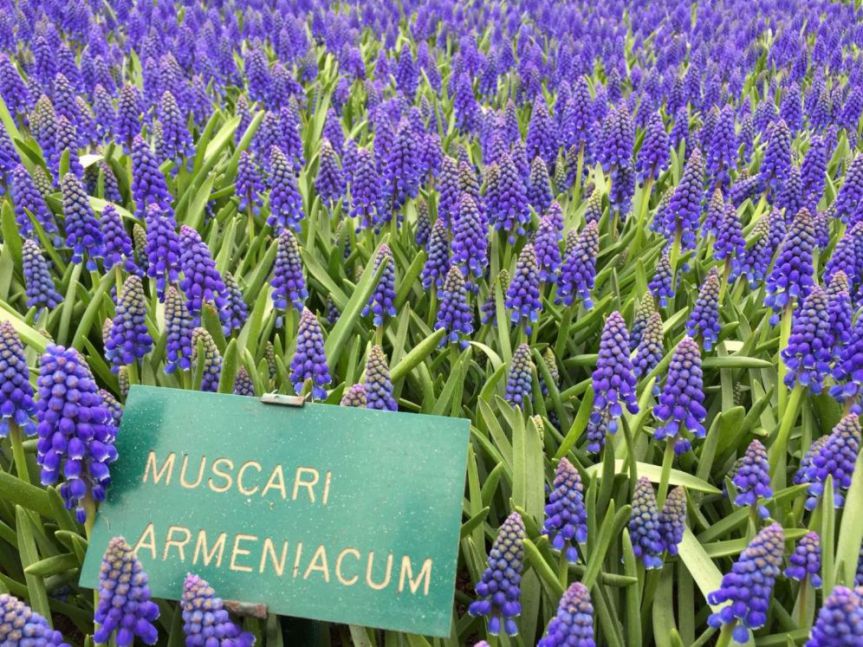
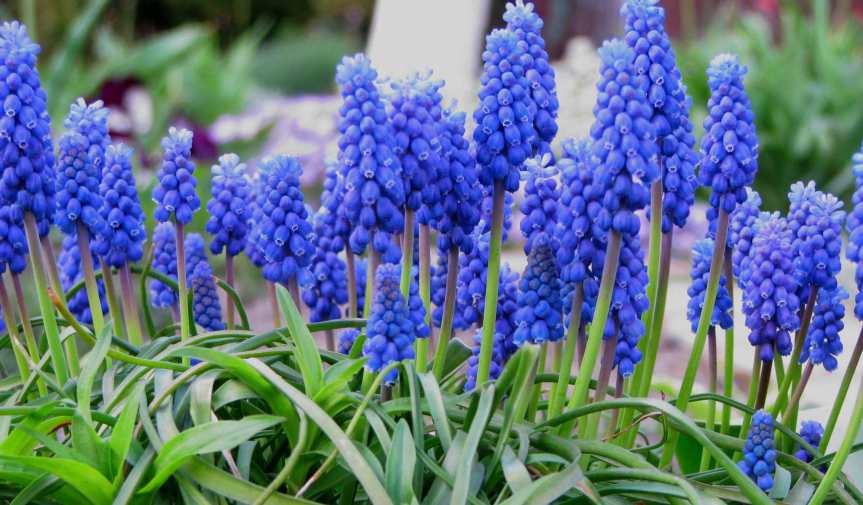
DESCRIPTION:  Most grape hyacinths grow 6 to 8 inches tall and produce spikes full of round, almost closed blossoms. They spread about 3 inches and have foliage that is long, narrow and grasslike.
CULTIVATION:  Grape hyacinths come from small bulbs, which should be planted 3 inches deep and 3 inches apart. For best effect, the bulbs should be planted in quantities. They are particularly effective under trees or shrubs. Grape hyacinth does equally well in full sun or partial shade. The leaves should be left to die back naturally after the flowers bloom.

Some species of the genus Muscari have a sweet, musky scent, and this is the reason for the name, for Muscari is from the Greek word moschos, or “musk.” Many gardeners originally grew the plant for its scent and not its beauty. The species name botryoides is also from Greek and means “a bunch of grapes.” This, along with the plant’s physical resemblance to the hyacinth, gives us the common name, grape hyacinth.
M. botryoides is also called the starch hyacinth, for it smells like starch.

Muscari_armeniacum2

Grape hyacinths are native to southern Europe, Northern Africa, and western Asia. The small bulbs have been used extensively in cooking. It has been suggested that boiled in vinegar {to reduce the bitterness}, the bulbs of M. comosa and M. atlanticum can be made into very tasty pickles. Other species are so bitter that they have earned the name Bulbus vomitorium. The first-century Greek physician Discorides wrote, “of this wort it is said that it was produced out of dragon’s blood, on top of mountains, in thick forests.”


HYACINTH – Good Witches Homestead

Source: HYACINTH – Good Witches Homestead

COMMON NAME:  hyacinth
GENUS:  Hyacinthus
SPECIES, HYBRIDS, CULTIVARS,
H. Orientalis ‘Amsterdam’-bright red to pink.
H. o. ‘Anne Marie’-light pink.
H. o. ‘Carnegie’-creamy white.
H. o. ‘Delft Blue’-blue
FAMILY:  Liliaceae
BLOOMS:  early spring
TYPE:  perennial
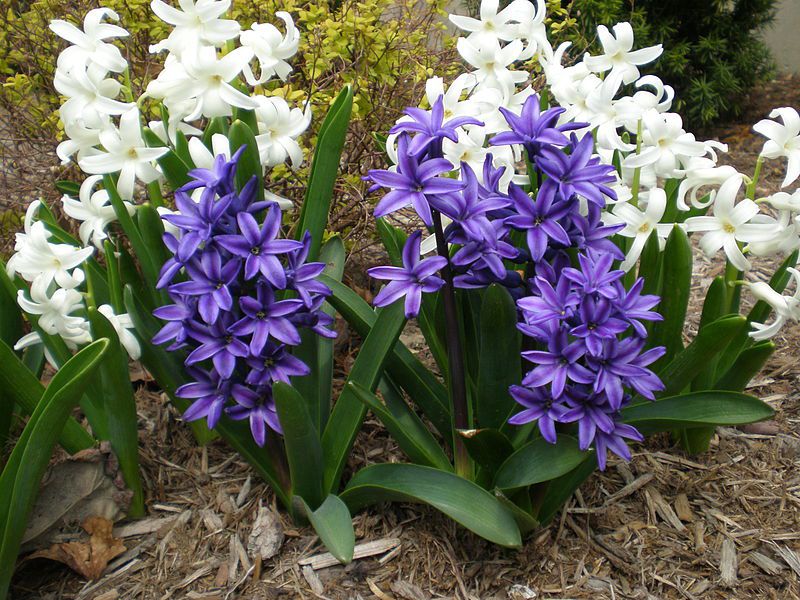
DESCRIPTION:  Hyacinths are widely used as a spring bulb. The top flower size is 7 to 7 1/2 inches in circumference. The flower spike is composed of neatly rounded mounds of small blossoms. Flowers are available in pink, white, cream, reddish pink, blue, yellow, and violet blue.
CULTIVATION:  Good drainage is a must for this plant because the bulbs rot easily if water stands on them. Bulbs should be planted in the fall, 6 inches deep, 6 to 8 inches apart. Mulch them in the fall to protect the tender spring growth from frost damage. Bulbs should be planted in an area that bets full sun or partial shade.

According to mythology, hyacinths originated because of the wrath of Zephyr, a god of the wind. Apollo, king of all the gods, fell in love with Hyacinthus, son of the king of Sparta. One day as Apollo and Hyacinthus were playing quoits {a game similar to today’s horseshoes}, Apollo threw the metal ring and Zephyr, jealous and enraged, caused the wind to make the metal ring hit Hyacinthus and kill him. Broken hearted, Apollo created the hyacinth flower out of the blood of his friend. Some even say that the petals look like the Greek syllables ai ai, meaning “woe.”
The Victorian language of flowers hyacinth means sport or play, and the blue hyacinth is a symbol of sincerity.
The Greeks dedicated this plant to Ceres, the goddess of agriculture. In ancient Sparta, annual Hyacinthian feasts were held. A Greek girl wore a crown made from hyacinth blossoms when she assisted at her brother’s wedding.
Greeks used concoctions made from the plants to treat dysentery and the bite of poisonous spiders. Such a concoction was also reputed to have the power to prevent a young boy’s voice from changing during puberty, making it very popular with singing masters of the time.
Hyacinths were first found growing in Asia Minor, as is suggested by the species name orientalis. Cultivated in Turkey and Persia, hyacinths were brought to England from Persia in 1561.

hycinths

The following story is told of how hyacinths got to Holland: Trading ships carrying crates of these exotic and expensive bulbs wrecked off the coast of Holland. The crates broke open, and the waves washed the bulbs ashore, where they rooted and produces beautiful flowers. However hyacinths got to them, the Dutch lent their magical hands to the plant, and by 1724 more than 2,000 varieties of hyacinth were found in Europe. Though interest in the bulbs never quite reached the level that tulips created, the price of hyacinth bulbs was quite high and competition for new varieties fierce.


Scilla – Good Witches Homestead

Source: Scilla – Good Witches Homestead

COMMON NAME:  scilla
GENUS:  Scilla
SPECIES:  S. sibirica
FAMILY:  Liliaceae
BLOOMS:  early spring
TYPE:  perennial
DESCRIPTION: Scilla has short {4 to 6 inches} spikes of bright blue or white flowers. The foliage is attractive and the growing habit neat, making it an excellent plant to use as a border or edging plant. It also lends itself well to an informal setting and looks very good naturalized under trees or shrubs.
CULTIVATION:  The small bulbs should be planted 4 inches deep in the early fall. Give them an open, sunny spot, and they will multiply rapidly.

Ten species of Scilla are native to Europe, and several of these have been cultivated for many centuries. Some records indicate that at least five species of Scilla were being cultivated as early as 1597.
The genus name means “I injure” and refers to the poisonous properties of the plant. Red scilla was even used as rat poison.
Scilla is often called squill. The bulbs of both the red and white squills were made into a concoction called a “syrup of squills.” This supposedly had medicinal properties, and a drug found in the bulbs was used as a component in heart tonics. The physiological effects of eating this bulb were thought to be similar to those of inhaling tobacco, for both acts on the nervous system. Roman statesmen suggested Scilla was a diuretic. It was also used to treat asthma and dropsy.
The Welsh name for this plant is cuckoo’s boot. S. bifolia was described by John Gerard, author of a sixteenth-century herbal, as “small blew flowers consisting of sixe little leaves spread abrode like a star. The seed is contained in small round bullets.”

During Elizabethian times, the starch used for stiffening collars was made from the bulbs of this plant.


   NorthWest Herb Symposium        “Botanicals at the Beach” – NorthWest Herb Symposium: “Botanicals at the Beach”

Source:    NorthWest Herb Symposium “Botanicals at the Beach” – NorthWest Herb Symposium: “Botanicals at the Beach”

Source:    NorthWest Herb Symposium        “Botanicals at the Beach” – NorthWest Herb Symposium: “Botanicals at the Beach” – Crooked Bear Creek Organic Herbs

Medicinal and Herbal Wildflowers – Good Witches Homestead

From the beginning of human history, man has considered plants “useful.” Of course, the most obvious use is as a food source, but in all cultures, plants have also figured prominently as medicines. From prehistoric rites to modern medicine, plants have been shown to possess curative properties. Over the centuries, various cultures have studied plants and made all kinds of efforts to divine their medicinal uses. Some experiments have proved disastrous, even fatal. Others seemed miraculous. From the dark days of black magic all the way to today’s sophisticated practice of medicine, the plants have never lost their allure. In fact, today we live in a time of renewed interest in herbal remedies. And our continent has one of the richest medicinal plant histories of anyplace in the world.

Below, you’ll find just a few of the wildflowers that man has used from ancient times forward to aid in his health and provide cures for his illnesses and diseases. It is provided as a source of information and not intended for prescriptive purposes. In fact, many of the same plants used as medicinals are also poisonous if not used properly. (Wildflowers mentioned that pose a serious danger are noted.)

Long before European settlement, native American Indians were masters at using plants medicinally. And today’s modern medicine proves many of their ancient cures. Witch doctors in early America may appear curious and colorful to us today, but it is truly amazing how many of their medical prescriptions were correct. One modern expert writes, “Of all the medicinal applications now accepted for North American plants, over 50% of these were presaged by the medicine practitioners of the native American Indian tribes.”

Meanwhile in Europe, during the Middle Ages, the Herbalists worked to advance the plant studies that had been going on there since the time of the ancient Greeks. During the Middle Ages, with more superstition than science, the herbalists offered their cures, sometimes with disastrous consequences.

The famous Doctrine of Signatures. One of the more bizarre pseudo-sciences that flowered during the early medieval period was medical treatment based on plant structure and appearance. Certain herbalists decided that one could prescribe an herbal cure or treatment based on a relationship between plant parts and body parts. This wild course of the study noted, for example, that parts of the plant Hepatica could be made into a curative concoction for liver ailments. Why? Because the plant has three-lobed leaves that reminded the herbalists of the human liver. Today, Hepatica , the beautiful early spring wildflower we enjoy still carries the name based on its connection to the human liver, yet it’s been shown to have no medicinal value. (Hepatica is the Latin word for “liver”, as is hepatitis.) Most prescriptions based on the Doctrine of Signatures probably only made people sick, since ingesting various non-food plants is usually upsetting. However, others, when poisonous plants were unknowingly used, were fatal.

As medical science progressed and Europeans settled North America, the advancing European medical knowledge of plants was combined with the traditions of Native American medicine. This led to an active exportation of plants from North America, as the settlers learned the new plants’ “secrets” from the Indians.

But this was only the beginning. As modern medicine evolved, plant values were studied and tested, and the results have been amazing.

Today, flowering plants provide almost 25% of the basic ingredients for our modern drugs. This little-known fact makes the study of medicinal plants even more interesting today than ever before. North America has tens of thousands of native plants that have yet to be studied. As Lady Bird Johnson has said, “Surely there are others like digitalis waiting out there.” She was referring to the famous English medicinal wildflower commonly known as Wild Foxglove, but botanically, “Digitalis purpurea.” This is the now-famous plant that is widely used today to treat heart disease. The medicine derived from this plant is usually called, simply “Digitalis”, and has saved untold lives worldwide through its modern applications.

How at least one medicinal plant was “discovered.” The story of the Foxglove is a classic. In 1775, an English physician and botanist named William Withering were asked to treat a patient suffering from dropsy, a broad term that at the time meant “fluid retention.” He had heard of an “old woman in Shropshire” who knew a secret cure which included the foxglove plant. Dr. Withering, after using the secret remedy, which was a concoction of over twenty herbs, found it amazingly successful, but also quickly perceived that only one plant in the mix was working the cure. The whole stew was said to be a diuretic, but Dr. Withering knew that the major cause of dropsy was congestive heart failure. He also knew that foxglove, with its powerful toxic properties in the proper quantity, could strengthen cardiac contraction and enable the heart to pump more efficiently, delivering blood to the rest of the body. Ten years later, Dr. Withering published “10 years of clinical data on patients treated with foxglove.” The rest, as they say, literally, is history–medical history.

From an old woman’s secret cure, through the careful work of an early physician, we have a “wonder drug” direct from a plant that is used today to treat almost every kind of heart disease.

The cure for spider bite becomes environmental monitor. Other stories in herbal and medicinal plants take various paths, as the scientific use of a species is accidentally discovered. Spiderwort, Tradescantia virginiana, a common North American native wildflower with three-petaled purple flowers, was once considered a cure for the bites of spiders, but during modern times has offered scientists other advantages. Botanically, the plant is unusual, being a historic link between the sedges (grass-like wetland plants) and lilies. Moreover, the plant has relatively large chromosomes, making it useful for lab studies in cytology (the structure of cells).

Modern scientific studies of Spiderwort recently rendered an unexpected discovery. Attentive botanists noticed that the plant is extremely sensitive to pollution and radiation which cause its blossoms to change color from blue to pink in a very short period of time! What happens is that the number of cells mutating when in contact with severe pollutants, correlates directly to the level of pollution. So this plant is now used as an inexpensive, but a very accurate device for testing pollution. Where dangerous pollution is expected, spiderworts are planted, and their flower color is closely monitored for changes.

Of course, man cannot exist without plants (since they provide the very oxygen we breathe), so it is no wonder that this interdependence has produced a very long and fascinating history which continues today.

Here are a few examples of various wildflowers and how they’ve been used over the centuries for herbal and medicinal purposes. Plus a few that are stars of the very active boom today in herbal remedies and supplements.  […]

Rest of the article at its Source: Medicinal and Herbal Wildflowers – Good Witches Homestead

The Natural Health Benefits of Gentian Root – Good Witches Homestead

Gentian, one of the “bitter” herbs, has been used by herbalists for over 2,000 years to help stimulate liver function. It was named as a tribute to Gentius, an Illyrian king who was believed to have discovered that the herb had tonic properties. He used the herb for treating wounds and as a natural antidote for various types of poisons. Traditional folk healers believed that gentian root could improve the digestive process by stimulating the flow of saliva, bile, and stomach acids if you took the herb before your meal. During the Middle Ages, it was used as an antidote to certain poisons.

Today, it is used specifically to protect the liver, stimulate its function, help regenerate its cells, and increase the flow of bile. It is also known to inhibit the development of viruses that affect the liver. This should come as no surprise for herbalists, as gentian has been used for centuries to stimulate appetite, improve overall digestion, and treat a host of gastrointestinal issues such as diarrhea, heartburn, stomach aches, and vomiting.

Gentian is also helpful in improving the overall health of the kidneys. It helps with the detoxification process by aiding in the elimination of harmful substances from the body. The root itself also has antiseptic properties which help with the removal of harmful microorganisms that can be found in the digestive system. In fact, the herb has even been used to help eliminate parasitic worms in the intestines. […]

Read the entire article at the Source: The Natural Health Benefits of Gentian Root – Good Witches Homestead