Ozark Encyclopedia – B – Burdock – Mountain Man Traditional Healing

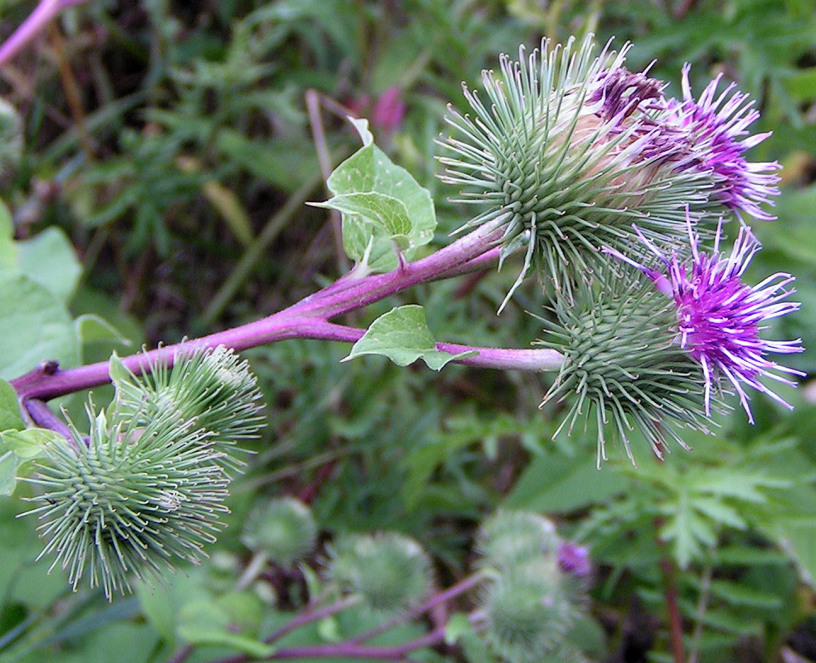
Burdock – Arctium lappa, A. minus, A. tomentosum

Parts used: root, leaf

Traditional uses: Root used in washes for boils and skin complaints. Leaf infusion used to tone stomach. Leaf poultice used for tumors and swellings and to reduce inflammation. Blood purifier, alterative, diuretic, and diaphoretic.

“Alterative, diuretic and diaphoretic. One of the best blood purifiers. In all skin diseases, it is a certain remedy and has effected a cure in many cases of eczema, either taken alone or combined with other remedies, such as Yellow Dock and Sarsaparilla.” ~Grieve MH

Used in formula for chills – “A gentleman in Cyclone, Missouri, tells me that his family made a ‘chill remedy’ that was in great demand; the exact formula was kept secret, he says, but the main ingredient was crushed burdock seeds.” ~Randolph OMF 107

“Burdock roots…boiled were given for chills.” ~Parler FBA II 1747

Beads worn as protection from witchcraft – “A basket maker at Eureka Springs, Arkansas, told me that children are best protected against witches by wearing a neck-lace of dried burdock roots, cut into small pieces and strung like beads.” ~Randolph OMF 291

 Boiled in compound drank for colds – “There used to be a plant called burdock. They’d dig that up and get the root and soak it in whiskey. Then they’d take that and put other ingredients such as nutmeg and butter and ginger in it. You’d drink that hot and go to bed of a night it’d suck that cold out.” ~Carter and Krause HRIO

Medicine for the blood of young folks – “From the weed Burdock (Arctium minus) you make a medicine for the blood of young folks. You boil the weed down and give the youngin’ a dose of 1 tablespoon before meals.” ~Parler FBA II 1357

Burdock, Witch Hazel, and Dogwood as a spring tonic – “Mix burdock roots, witch hazel bark, dogwood bark and take 1 teaspoonful before breakfast in the spring. This is called a spring tonic.” ~Parler FBA II 1369

Root chewed to purify blood – “To purify the blood chew the roots of the burdock plant.” ~Parler FBA II 1516

Root water used for boils – “To cure boils and sores that children have use Burdock roots…that have been soaked in water and drink the water.” ~Parler FBA II 1564

Roots worn against nosebleed – “A necklace of burdock roots…used to be worn to prevent nosebleeding.” ~Parler FBA III 2786

Wild cherry and burdock used for rheumatism – “Wild Cherry bark and Burdock root…boiled and mixed with whiskey is good for rheumatism.” ~Parler FBA III 2974


Carter, Kay & Bonnie Krause Home Remedies of the Illinois Ozarks (HRIO)

Grieve, Margaret A Modern Herbal (MH)

Moerman, Daniel E. Native American Ethnobotany (NAE)

Parler, Mary Celestia Folk Beliefs from Arkansas (FBA)

Randolph, Vance Ozark Magic and Folklore (OMF)

Source: Ozark Encyclopedia – B – Burdock – Mountain Man Traditional Healing

Vinca – Good Witches Homestead

Source: Vinca – Good Witches Homestead

COMMON NAME:  vinca
GENUS:  Vinca
SPECIES:  V. major, V. minor; both perennial
FAMILY:  Apocynaceae
BLOOMS:  spring
TYPE:  perennial
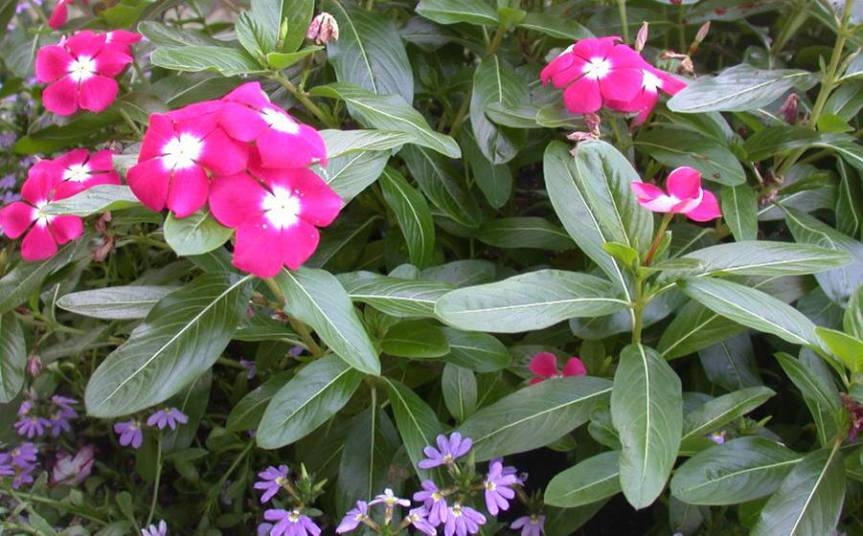
DESCRIPTION:  Perennial vinca is a fast-spreading vine with blue flowers. V. major is a more vigorous grower and has larger leaves and flowers. The annual bedding plant vinca {actually Catharanthus roseus} has attractive five-petaled white and pink-to-red flowers and dark green, glossy leaves. The plants reach a height of 10 to 15 inches and spread almost 2 feet across.
CULTIVATION:  Annual vinca {C. roseus} is extremely heat and drought tolerant and thrives in full, hot sun. It blooms prolifically from early summer until frost. Perennial vinca is particularly useful as a ground cover because it grows equally as well in sun or shade. Blooming, which occurs in late spring, is much better in the sun, however.

Twelve species of this genus are native to Europe. V. major, also known as greater periwinkle, blue buttons, and band plant, and V. minor, known as common periwinkle, lesser periwinkle, and running myrtle, are the two species most widely grown.
Rosy periwinkle, a tropical species, contains an alkaloid necessary to make the drug vincristine, which is used to treat many forms of cancer.
The popular pink and white vinca used as a bedding plant is officially C. roseus, though it was known for many years as V. rosea. It is native from Madagascar to India and is known as rose periwinkle and old maid.
Vinca has been cultivated for centuries. The number of common names alludes to the variety of purposes for which this plant has been used and particularly to the magical powers it was thought to possess. Known as devil’s eye or sorcerer’s violet, vinca blossoms were sometimes worn in the buttonhole as protection against witches. If placed over the doorway, vinca was thought to keep away witches.
During the Middle Ages criminals on the way to the gallows traditionally wore garlands made from vinca blossoms. The Italian name for the plant is the flower of death, and it was often planted on the graves of children.
Belgians believed that the flower was a symbol of virginity and would spread vinca petals in front of bridal couples as they left the church.
It is from the pink and red vinca that the phrase “pink of perfection” originated. An old English book, The Vertues of Herbs, Stones, and Certain Beasts, suggests that “Perwynke when it {the leaf} is beate unto powder with worms of ye earth wrapped about it and with an hearbe called houselyck it induceth love between man and wife it it be used in their meales.”
Red vinca, also called joy of the ground, planted outside the garden gate symbolized an invitation to the passer-by to come in and look at the garden.
The medicinal uses of vinca are varied. Vinca tea made from the blossoms was used, according to an ancient herbal, if the “mother’s milk was running too full.” A tonic made from dried, full-grown leaves was used for intestinal problems. The leaves, mixed with other herbs, were thought to help diabetes. An ointment made from the leaves was used to treat skin disorders, particularly on the scalp, and the raw leaves were chewed to stop a nosebleed. The young shoots were boiled and eaten to prevent nightmares and to soothe nervous disorders and hysteria. Long strands of the creeping vine were wrapped tightly around the legs to ease muscular cramps. Perhaps the favorite reason for indulging in a daily dose of vinca was the superstition that it would help one be happy and comfortable and have grace.
Because it is evergreen, vinca has been chosen as the symbol of fidelity and friendship. The blue blossoms represent the pleasures of memory, red blossoms mean early friendship and white blossoms are symbolic of pleasant recollections.

Vinca has been chosen by the city of Geneva as its floral emblem.


Peony – Good Witches Homestead

Source: Peony – Good Witches Homestead

COMMON NAME:  peony
GENUS:  Paeonia
SPECIES, HYBRIDS, CULTIVARS:
P. lactiflora {Chinese peony}-many hybrids; single or double. P. suffruticosa {TREE PEONY}-shrub; does not die back in winter.
FAMILY:  Ranunculaceae
BLOOMS:  late spring
TYPE:  perennial
DESCRIPTION:  Peony greets spring with offerings of very large, beautiful blossoms in pinks, white, and shades of red. The foliage is neat and attractive, and the plants create an appealing, low {2 1/2 to 3 foot} shrub during the summer months. Peony flowers are full and measure 4 to 6 inches across.
CULTIVATION:  Probably one of the greatest attributes of peonies is their longevity. Some peony plants are reported to be more than 100 years old. Once established, peonies should not be transplanted. The plants are tolerant of a wide range of soils but will perform best in neutral or slightly alkaline soils that are light, fertile, and rich in organic matter. Peony roots should be planted so that the eyes are exactly 1 1/2 inches below the soil level. Mix in generous amounts of humus or peat moss before planting. In northern areas, plant in full sun. In hot southern climates, provide a bit of shade.

Called the blessed herb, peonies have been used for centuries for their magical and medicinal properties. Among the powers that peony was thought to possess are the ability to protect shepherds and their flocks; to ward off storms, demons, and nightmares; and to preserve the harvest from danger. Peony is the Greek symbol of healing and the Japanese symbol for a happy marriage and virility. It is the Japanese floral emblem for the month of June.
The Chinese have grown this flower for over 2,000 years. The name for it there is Sho-yo, which means “the beautiful,” and it is considered the flower of prosperity. One Chinese emperor called peonies roses of spring, and a single specimen sold for as much as 100 ounces of gold. According to the Chinese calendar, the tree peony is the floral symbol for March.
The medicinal powers of the plant are legendary. It was named for Paeon, physician to the Greek gods, and a student of Asclepius, {god of medicine and healing}. Leto,  goddess of fertility, told Paeon about a magical root growing on Mount Olympus that would soothe the pain of a woman in childbirth. When Paeon went to get this root, Asclepius became jealous and angry and threatened to kill his pupil. Leto begged help from Zeus, who saved Paeon from the wrath of his teacher by changing him into the peony flower.
Perhaps because of this legend, peony seeds have been given to pregnant women for centuries. It was also thought that the roots, held over a person’s head or around the neck, would cure insanity. Other medicinal uses included the prevention of epileptic convulsions and soothing the gums o teething infants. Pliny, a Roman statesman, said that peonies are the “oldest of plants, and are an important medicine that cures twenty ills.”
Superstition warns us, however, that the plant is protected by woodpeckers. If you try to gather peony for medicinal purposes while a woodpecker is in sight, your patient might die.
The magical powers of peonies were thought to be even stronger than the medicinal ones. Mothers in rural areas hung strings of peony seeds around an infant’s neck as a protection against the “Evil Eye.” The seeds, particularly if soaked in rain water, were worn as an amulet for protection against witchcraft and the devil. The plant’s reputation for supernatural powers was enhanced by its phosphorescent qualities-some plants actually glow in the dark. For the most potent magical powers, seeds and roots were gathered in the dead of night.
The first peonies, considered important healing herbs, were brought to England by the Roman legions in 1200. They have been cherished in England since then, first for their medicinal value, and then for their unparalleled beauty. Peonies have been in the United States since early colonial days. For the Philadelphia Centennial Exposition in 1876, peony was used to symbolize the American spirit, ambition, and determination to adapt and thrive.
The only country ever named for a flower was Paeonia, located in what is now northern Greece. It was a legitimate country complete with a government, army, and imperial ring, but it was conquered during the Persian Wars.
Peony is the state flower of Indiana.

The language of peony is shame, for it was thought to be the hiding place of a dishonorable nymph.

Ozark Encyclopedia – B – Boneset – Mountain Man Traditional Healing

Author: MMH

Boneset – Eupatorium perfoliatum

Parts used: leaf, flower

Traditional uses: Used as a purgative. Infusion taken for colds. Used as a tonic, sudorific, stimulant, emetic and antiseptic. Infusion taken for “ague,” colds and flu. Used as a stimulant. Infusion taken for sore throat. Decoction of plant used as a gentle emetic. Plant used as a fever medicine.

“Stimulant, febrifuge and laxative. It acts slowly and persistently, and its greatest power is manifested upon the stomach, liver, bowels and uterus. It is regarded as a mild tonic in moderate doses, and is also diaphoretic, more especially when taken as a warm infusion, in which form it is used in attacks of muscular rheumatism and general cold. In large doses it is emetic and purgative. Many of the earlier works allude to this species as a diuretic, and therefore of use in dropsy, but this is an error, this property being possessed by Eupatorium purpureum, the purple-flowered Boneset, or Gravel Root. It has been much esteemed as a popular febrifuge, especially in intermittent fever, and has been employed, though less successfully, in typhoid and yellow fevers. It is largely used by the negroes of the Southern United States as a remedy in all cases of fever, as well as for its tonic effects. As a mild tonic it is useful in dyspepsia and general debility, and particularly serviceable in the indigestion of old people. The infusion of 1 OZ of the dried herb to 1 pint of boiling water may be taken in wineglassful doses, hot or cold: for colds and to produce perspiration, it is given hot; as a tonic, cold. As a remedy in catarrh, more especially in influenza, it has been extensively used and with the best effects, given in doses of a wineglassful, warm every half hour, the patient remaining in bed the whole time; after four or five doses, profuse perspiration is caused and relief is obtained. It is stated that the popular name Boneset is derived from the great value of this remedy in the treatment of a species of influenza which had much prevailed in the United States, and which from the pain attending it was commonly called Break-Bone Fever. This species of Eupatorium has also been employed in cutaneous diseases, and in the expulsion of tapeworm.” ~Grieve MH

*** Cautions: Contains trace amounts of the toxin pyrrolizidine. Caution should be taken when using internally. Large doses emetic. *** 

Tea for fevers and chills – “Boneset tea is a favorite remedy for chills, fever, and ague.” ~Randolph OMF 107

Root tea for colds – “My mother says as a child she had malaria with chills every other day and fever. An old aunt of her mothers came to visit and told her brothers to go into the woods and get the root of a certain plant called ‘bone set’. She took the roots, washed them, and boiled them, and made a tea. This my mother had to drink, and it cured her, and she has never had a chill to this day.” ~Parler FBA II 1767

Applied to body for malaria – “A cure for malaria is to take the oil from a plant called a bone set (Eupatorium) and apply to the person with malaria.” ~Parler FBA III 2676


Grieve, Margaret A Modern Herbal (MH)

Moerman, Daniel E. Native American Ethnobotany (NAE)

Parler, Mary Celestia Folk Beliefs from Arkansas (FBA)

Randolph, Vance Ozark Magic and Folklore (OMF)

Source: Ozark Encyclopedia – B – Boneset – Mountain Man Traditional Healing

Orange Essential Oil May Improve Symptoms of PTSD, Say Researchers – Crooked Bear Creek Organic Herbs

Source: Orange Essential Oil May Improve Symptoms of PTSD, Say Researchers – Crooked Bear Creek Organic Herbs

Post-traumatic stress disorder affects around 8 million adults in the United States, but treatments for the condition are still limited. Orange essential oil may offer a nonpharmaceutical option to help reduce the stress and fear associated with the disorder, suggests research carried out by scientists at George Washington University.
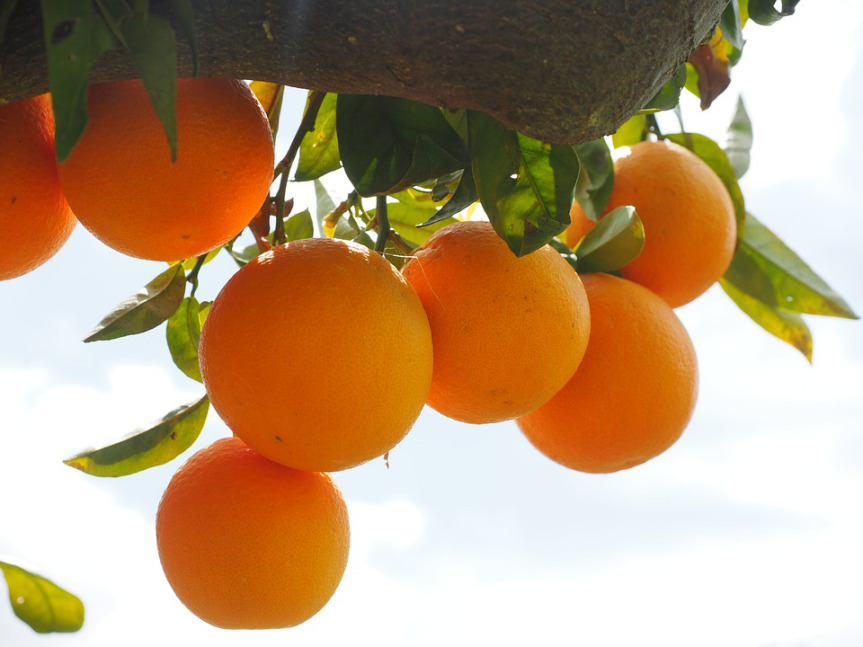
[orange essential plant oil]
Early indications show that orange essential plant oil could help to diminish symptoms associated with PTSD.

Post-traumatic stress disorder (PTSD) is an anxiety disorder often triggered by exposure to stressful, distressing, or frightening events, or the sudden and unexpected death of a loved one.

The person with the disorder tends to relive the traumatic experience through flashbacks and nightmares. The severe anxiety caused by PTSD may last months or even years, and it can have a significant impact on the person’s life.

Chronic stress is thought to play a role in activating and exacerbating inflammation in the peripheral immune system. Research has suggested that peripherally circulating immune cells may be able to cross the blood-brain barrier and cause inflammation in the central nervous system, which may contribute to mental health disorders, including PTSD. However, the link between fear memory and the immune system is not entirely understood.

Furthermore, treatment for PTSD is currently limited to two FDA-approved medications and psychotherapy practices, including cognitive and exposure therapies.

Cassandra Moshfegh, a research assistant in Paul Marvar’s laboratory at the George Washington University, and colleagues sought to investigate the effect of orange essential plant oil on PTSD symptoms. Previous studies have shown that orange essential oil may have a depressant-like effect on the central nervous system.

The team presented the research at the American Physiological Society’s annual meeting during the Experimental Biology 2017 conference, held in Chicago, IL.

Essential oils are naturally produced by plants and can be used for therapeutic purposes. The aromatic compounds of orange essential oil are usually extracted from the peel of the orange. Essential oils can be inhaled, applied to the skin, or ingested in foods or beverages.

Orange essential oil significantly reduced fear-associated behavior

Orange essential oil was tested in mice to determine the impact of the compound on fear memory and immune cell activation. The researchers used Pavlovian Fear Conditioning – a behavioral mouse model – “to study the formation, storage, and expression of fear memories as a model for PTSD.”

Pavlovian Fear Conditioning pairs a tone with a negative stimulus, such as a shock to the foot, which provokes fear as a response in the mice. The mice form an associative memory between the tone and the stimulus. When presented with the tone alone, the mice exhibit a fear response and typically freeze. This response diminishes slowly as time goes on.

Moshfegh and team divided the mice into three groups. The first group of 12 mice was exposed to the audio tone alone, 12 mice received water and fear conditioning, and the remaining 12 mice were exposed to orange essential oil by inhalation 40 minutes prior to and after the fear conditioning.

The researchers found that the mice exposed to orange essential oil were significantly less likely to exhibit freezing behavior and stopped freezing altogether earlier than the mice that received water and fear conditioning. Moreover, the mice exposed to orange essential oil experienced a significant decrease in the immune cells linked to the “biochemical pathways” associated with PTSD.

The mechanism behind the differences in behavior between the two groups could be explained by the variations found in gene expression in their brains.

“Relative to pharmaceuticals, essential oils are much more economical and do not have adverse side effects. The orange essential plant oil showed a significant effect on the behavioral response in our study mice. This is promising because it shows that passively inhaling this essential oil could potentially assuage PTSD symptoms in humans.”

Cassandra Moshfegh

Further studies are needed to unravel the specific effects of orange essential oil on the brain and nervous system, says Moshfegh, and to uncover how these effects reduce “stress and fear in people with PTSD.”

Seven Herbs and Supplements for Type 2 Diabetes – Crooked Bear Creek Organic Herbs

Source: Seven Herbs and Supplements for Type 2 Diabetes – Crooked Bear Creek Organic Herbs

Diabetes is a widespread disorder affecting the blood sugar and insulin levels in the body. Managing the long-term consequences and complications of diabetes are as much of a challenge as the disease itself.

There are two main types of diabetes. Type 1 diabetes is where the pancreas produces no insulin. Type 2 diabetes is more common. With type 2, the body either does not produce enough insulin or produces insulin that the body does not use properly.

There are many treatment options for people with type 2 diabetes. Growing research suggests that some herbs and supplements may help with the condition.

Useful herbs may be great to combine with more traditional methods to find relief from many type 2 diabetes symptoms.

Seven herbs and supplements

Here are seven herbs and supplements that may be of benefit to people with type 2 diabetes.

Aloe vera
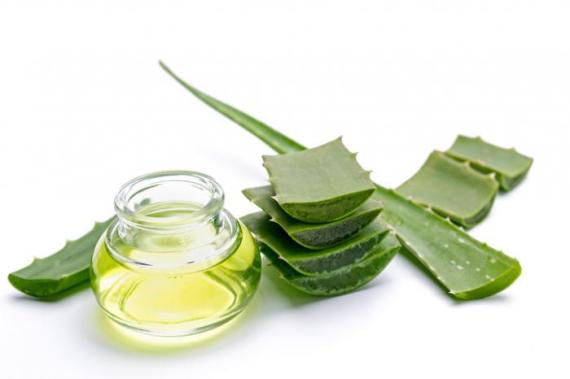
Aloe vera
Studies suggest an antidiabetic potential for aloe that may lower blood sugar levels.

Aloe vera is a common plant with many different uses. Most people are aware of the plant being used to coat the skin and protect it from damage caused by too much sun exposure.

However, the plant has many lesser-known benefits as well. These range from helping digestive issues to possibly even relieving type 2 diabetes symptoms.

One review analyzed many studies using aloe vera to treat symptoms of diabetes. Their results strongly suggested an antidiabetic potential for aloe. Subjects given aloe showed lower blood sugar levels and higher insulin levels.

Further tests showed that aloe helps to increase how much insulin is produced by the pancreas. This could mean that aloe helps to restore bodies with type 2 diabetes or protect them from further damage. The researchers called for more studies to be done on aloe and its extracts to be certain of these effects.

There are many ways to take aloe. The juice pulp is sold in many markets and added to drinks, and extracts are put into capsules to be taken as supplements.

Cinnamon

Cinnamon is a fragrant herb created from the bark of a tree and is commonly found in kitchens. It has a sweet and spicy fragrance and taste that can add sweetness without any additional sugar. It is popular with people with type 2 diabetes for this reason alone, but there is much more to cinnamon than just flavor.

A review found that subjects with metabolic syndrome and type 2 diabetes who were given cinnamon showed positive results in many different areas such as:

  • blood sugar levels
  • insulin levels
  • insulin sensitivity
  • blood fat levels
  • antioxidant levels
  • blood pressure
  • body mass
  • time to process food

These are important markers for people with diabetes. From this research, it may be said that cinnamon is important for everyone with type 2 diabetes to take.

The researchers did note that the type of cinnamon and the amount taken does have an effect on the results, however. Only the highest quality cinnamon or cinnamon extracts in capsule form should be used as a complementary treatment method.

An experienced health care practitioner should always be consulted before starting to use cinnamon heavily as a supplement.

Bitter melon
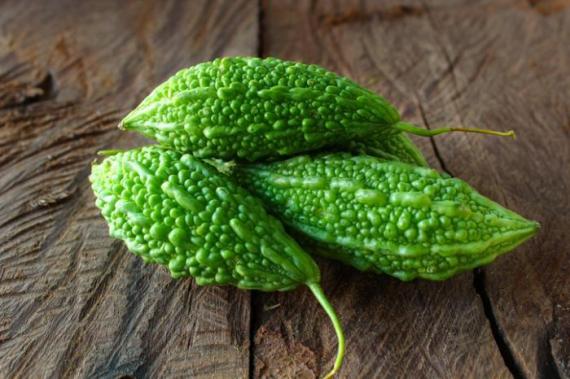
bitter melon
Bitter melon is a traditional Chinese and Indian medicinal fruit. Research suggests that the seeds may help to reduce blood sugar levels.

Momordica charantia, also known as bitter melon, is a medicinal fruit. It has been used for centuries in the traditional medicine of China and India. The bitter fruit itself is cooked into many dishes, and the plant’s medicinal properties are still being discovered.

One discovery being backed by science is that bitter melon may help with symptoms of diabetes. One review noted that many parts of the plant have been used to help treat diabetes patients.

Bitter melon seeds were given to both people with type 1 and type 2 diabetes to reduce their blood sugar levels. Blended vegetable pulp mixed with water also lowered blood sugar levels in 86 percent of the type 2 diabetes patients tested. The fruit juice of the bitter melon also helped to improved blood sugar tolerance in many cases.

Eating or drinking the bitter melon can be an acquired taste. Luckily, similar effects were noted with extracts of the fruit taken as supplements as well.

There is not enough evidence to suggest that bitter melon could be used instead of insulin or medication for diabetes. However, it may help patients to rely less on those medications or lower their dosages.

Milk thistle

Milk thistle is a herb that has been used since ancient times for many different ailments and is considered a tonic for the liver. The most studied extract from milk thistle is called silymarin, which is a compound that has antioxidant and anti-inflammatory properties. It is these properties that may make milk thistle a great herb for people with diabetes.

A review notes that many of the studies on silymarin are promising, but the research is not strong enough to begin recommending the herb or extract alone for diabetes care.

Many people may still find that it is an important part of a care routine, especially since the antioxidant and anti-inflammatory properties can help protect against further damage caused by diabetes. Milk thistle is most often taken as a supplement.

Fenugreek

Fenugreek is another seed with the potential to lower blood sugar levels. The seeds contain fibers and chemicals that help to slow down the digestion of carbohydrates like sugar. The seeds may also help delay or prevent the onset of type 2 diabetes.

A recent study found that people with prediabetes were less likely to be diagnosed with type 2 diabetes while taking powdered fenugreek seed. This was caused by the seed increasing the levels of insulin in the body, which also reduced the sugar in the blood.

Researchers found that the seed helped to lower cholesterol levels in patients as well.

Fenugreek can be cooked into certain dishes, added to warm water, or ground into a powder. It can also be added to a capsule to be swallowed as a supplement.

Gymnema

Gymnema is a relatively new herb on the Western market. In the plant’s native home of India, its name means “sugar destroyer.” A recent review noted that both type 1 and type 2 diabetes patients given Gymnema have shown signs of improvement.

In people with type 1 diabetes who were given the leaf extract over a period of 18 months, fasting blood sugar levels were lowered significantly when compared to a group that received only insulin.

Other tests using Gymnema found that people with type 2 diabetes responded well to taking both the leaf and its extract over various periods of time. Using Gymnema lowered blood sugar levels and increased insulin levels in the body of some patients.

Using either the ground leaf or leaf extract may be beneficial for many people with diabetes.

Ginger

ginger sliced
Ginger has been used for many years to treat digestive and inflammatory issues. Recent research suggests that it may reduce insulin resistance.

Ginger is another herb that science is just discovering more about. It has been used for thousands of years in traditional medicine systems.

Ginger is often used to help treat digestive and inflammatory issues. However, a recent review posted to shows that it may be helpful in treating diabetes symptoms as well.

In their review, researchers found that supplementing with ginger lowered blood sugar levels, but did not lower blood insulin levels. Because of this, they suggest that ginger may reduce insulin resistance in the body for type 2 diabetes.

It is important to note that the researchers were uncertain as to how ginger does this. More research is being called for to make the claims more certain.

Ginger is often added to food raw or as a powdered herb, brewed into tea, or added to capsules as an oral supplement.

Important considerations for people with diabetes

It is always best to work with a healthcare professional before taking any new herb or supplement. Doctors usually have patients start out on a lower dose and gradually increase it until a comfortable dose is found.

Some herbs can interact with other medications that do the same job, such as blood thinners and high blood pressure medications. It is very important to be aware of any interactions before starting a new supplement.

It is also important for people to get herbs from a high-quality source. Herbs are not monitored by the United States Food and Drug Administration (FDA). Products may contain different herbs and fillers, recommend an incorrect dose, or even be contaminated with pesticides.

Herbs and supplements should be seen as a complementary treatment option, and should not replace medications.

Working closely with a knowledgeable healthcare professional, herbs can be a great addition to many care programs for diabetes.
Horny Goat Weed: Health Benefits, Use – Crooked Bear Creek Organic Herbs

Source: Horny Goat Weed: Health Benefits, Use – Crooked Bear Creek Organic Herbs

Horny goat weed is a traditional Chinese medicinal herb. It is also known by its many botanical names, including Epimedium, and its Chinese name, yin yang huo.

As a form of alternative medicine, the herb has been used to treat conditions from hay fever to atherosclerosis, nerve pain fatigue, osteoporosis, and erectile dysfunction.

Human research data to support the use of horny goat weed is limited at best. However, there is some anecdotal evidence for using the herb to treat certain medical conditions.

Uses and research

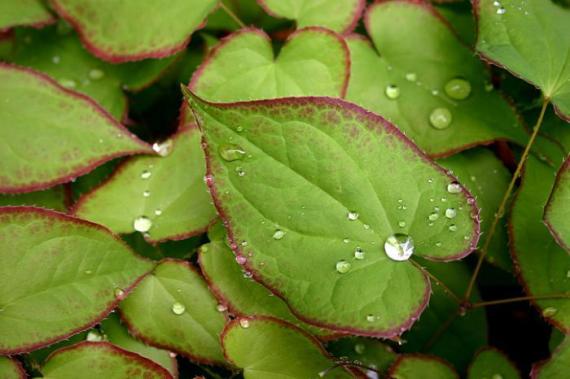
Epimedium or horny goat weed
Epimedium is a flowering plant that is also known as horny goat weed and is used in traditional Chinese medicine.

There have been studies conducted on cells in laboratories that report evidence of several beneficial properties of horny goat weed. Early research suggests that it may have properties that can keep bones strong, protect the nerves, and support the immune system.

Other cell research has revealed the following possible effects:

  • anticancer effects
  • anti-HIV activity
  • radiosensitizing effects
  • reversal of multidrug resistance in some tumor cells
  • postmenopausal bone loss prevention

Atherosclerosis is a condition where the arteries in the neck harden. For people with atherosclerosis, a mixture containing horny goat weed may be beneficial and result in improved symptoms and clinical tests.

People with hay fever may experience symptom relief and a reduction in white blood cells that tend to increase with allergies.

Horny goat weed and erectile dysfunction

One study looked at rats with injured nerves and nerve cells grown in a lab. The researchers reported that icariin, the active component of horny goat weed, might show positive and promising effects in treating erectile dysfunction (ED) caused by nerve injury.

ED is a common problem affecting men, especially those aged 40-70 years old. Nearly 20 million men in the United States are affected by the condition, which can have many causes. At times, men may experience psychological conditions, such as depression or anxiety, that may cause or contribute to ED.

ED has 2 categories:

  • Primary ED: Men affected by this rare condition have never been able to have or sustain a penile erection. Primary ED is often due to a physical abnormality or a psychological cause.
  • Secondary ED: This form is typically caused by a physical condition. Causes range from conditions such as diabetes, stroke, multiple sclerosis, and physical injuries. This group of men will likely have had erections in the past.

Certain medications, such as those to treat high blood pressure, diabetes, high cholesterol, depression, cancer, and long-term pain, may contribute to the condition. Some of these medications include:

  • beta-blockers
  • clonidine
  • spironolactone
  • thiazide diuretics
  • alcohol and drugs such as cocaine
  • opioids
  • SSRI and tricyclic antidepressants
  • anxiolytics
  • monoamine oxidase inhibitors (MAOIs)
  • amphetamines
  • 5 alpha-reductase inhibitors
  • anticholinergics
  • cimetidine
  • hormonal therapies

Although there is some evidence that horny goat weed may offer symptom relief in certain medical conditions, additional research is necessary.

Dosing

Chinese medicine draws
Before taking any herbs or supplements, it is important to speak to a healthcare professional who can assess an individual’s needs.

As with any medications, herbs, and supplements, it is important for people to speak to their doctor before using horny goat weed. A doctor can work out its safety and dosage based on an individual’s needs and medical history.

For the treatment of atherosclerosis and ED, the University of Michigan recommends taking 5 grams 3 times per day. For the treatment of hay fever, it is recommended to simmer 500 milligrams in 250 milliliters of water for 10-15 minutes and consume 3 times daily.

People should check with their doctor to see if seeping in water is required when treating themselves with horny goat weed. Typically, the herb is mixed in a tonic to decrease the risk of side effects.

Alternative medicine should not take the place of traditional medicine or be used in the place of recommendations from a doctor.

High doses of horny goat weed have been associated with breathing difficulty, vomiting, and nausea.

Side effects and interactions

As with any medication or herbal supplement, some people may experience side effects or adverse reactions when using horny goat weed. Possible side effects may include:

  • mood changes such as irritability and aggression
  • racing heart
  • increased energy
  • sweating
  • feelings of being hot
  • decreased thyroid function
  • nausea

It is important for people to speak to a doctor about these or any other side effects that occur with the use of horny goat weed.

Interactions

Horny goat weed may interact with certain medications that include:

  • cortisone
  • prednisone
  • prednisolone
  • methylprednisolone
  • dexamethasone
  • cytochrome P450 substrates
  • aromatase Inhibitors, such as anastrozole, exemestane, and letrozole

People should not take horny goat weed if they:

  • have hormone-sensitive cancer, as the herb has been shown to promote estrogen production
  • have heart disease as it can potentially lead to a rapid irregular heartbeat, shortness of breath, and excitability
  • have a known sensitivity to Epimedium
  • are taking aromatase inhibitors such as anastrozole, exemestane, and letrozole
  • have been recommended not to do so by a doctor

Anyone who is considering using horny goat weed should discuss it with their doctor first. Health experts can determine if horny goat weed is right for someone and what the appropriate dosing would be.

There have not been enough studies to recommend the use of this herb and to ensure its safety.

The U.S. Food and Drug Administration (FDA) and other government agencies do not monitor the quality, purity, or safety of herbs and extra caution is recommended.

More studies are needed to guarantee safety and identify potential side effects. If anyone does purchase herbs, they should be sure to buy from a known and reputable source.

Medicinal Trees: Elder – Good Witches Homestead

Elder {Sambucus nigra}

Also, Known As:

  • Bourtree
  • Elder
  • Elder-berry
  • Elder-flower
  • European Elder
  • Pipe Tree

The plant called the elder is used to describe a bushy shrub like plant that can reach a few feet in height as shrub-like forms normally do or it may be referring to a tree reaching up to fifty feet in height – the elderberries which are borne on both types of plants range and differ markedly in the shape and taste. The flowers are usually formed in aromatic clusters of many star-shaped and white colored flowers, which can vary from bunches with flat-topped to the globular types of arrangement. When ripened, these will mature to produce berrylike and limb sagging fruits which can range in color from stark blue to an amber, and even red to a complete black – the variation in the taste of these elderberries is also markedly different.

The long and hollow stems which tend to be very straight were used by the early Native American tribes for making arrow shafts as such stems become woodier with age, such stems were particularly selected during the springtime, they were typically then left to dry with their leaves still on them to be turned into arrows. The native tribes also used the woody stems for other purposes, and they often took out the soft and poisonous pith within the stem using hot sticks, these were sometimes employed as spouts to collect maple sap and the sap of other resinous trees. Such stems were often also bored with holes and fashioned into flutes for making music. One reason, the elder is often called the “tree of music” lies in its use in this role, even though its main uses was as an herbal medication. The elder stems were also turned into animal bugles to pipe elk like sounds and some traditional native hunters still reliant on the old ways of tracking game have often used the stem to bugle elk-thus the elderberry stem whistle has often been employed to successfully lure a handsome elk buck during a hunt. The areas in which the elderberry plant is likely to grow includes very rich and moist soils, especially those soils found in heavily forested areas, the plant also grows well in the soils in rocky slopes and often prefers soils in cool ravines which are heavy in moisture. The plant is considered a native inhabitant of both hemispheres and grows mostly in the temperate and subtropical regions of the world.

The elderberry is actually a drupe which is berrylike in appearance; the elderberry consists of three to five single-seeded nut – lets or stones in the fruiting body. Traditionally, eating too many berries is believed to cause digestive problems and the traditional wisdom suggests that only a few berries can be eaten raw at any one time so as to avoid disrupting the stomach. The taste of the elderberries is not remarkable and the taste is better when they are taken along with other edible berries, raw berries are not preferred by people and in general, the berries are much better to eat in the dried or cooked form. The elderberries are used as a decongestant and in the treatment of some conditions which can induce the excessive accumulation of mucus within the lungs of the affected person. These include disorders such as common asthma, problems such as bronchitis, the common cold, diseases such as influenza. In addition, phlegm production is also induced by smoking or the inhalation of second-hand smoke. The elimination of such accumulated yellow or green mucus from the body is aided by drinking some fresh elderberry juice, particularly the juice of the red drupes – this herbal remedy is excellent for the removal of excess mucus in the respiratory passages.

Plant Parts Used:

Flowers, berries, bark. […]

Source: Medicinal Trees: Elder – Good Witches Homestead

Medicinal Trees: Oak – Good Witches Homestead

Quercus alba

Also, Known As:

  • Gospel Tree
  • Oak
  • Tanner’s Bark

The oak is a mighty and majestic tree that has the aptitude to grow up to a height of 90 feet (30 m), have a circumference of about 33 feet (10 m) and survive for as many as 1000 years! The oak is indigenous to North America where over 80 species of the tree are found. All species of the oak are beautiful deciduous trees having grayish, furrowed barks and shed their leaves during the fall. The roots of the tree are spread over a wide area and a mature oak tree may often dominate lesser locations. The timber of the oak is light brown in color, solid and weighty having a compact grain and are ideal for making furniture and flooring. The leaves of this imposing tree are bifurcated into quite a few curved sections. The fruit of the oak is an even acorn (an ovoid nut) that turns caramel hue when ripe and having a carved cap that wraps almost one-fourth of the fruit. Usually, a healthy oak tree that is about 25 years old is capable of bearing as many as 25,000 acorns annually.

The oak blossoms during the period between April and May and its seeds mature in October. The flowers of the oak are monoecious (each flower has only one sex – male or female) by nature and are usually pollinated by the wind. However, most oak trees are found to bear different flowers having either of the sexes. The oak tree has a preference for loamy or medium and clay (heavy) soils, but they are able to grow in heavy clay soil too. The plant also has a preference for basic (alkaline), acid and neutral soils. The plants need an arid or moist soil and are able to grow in sunlight as well as semi-shade conditions as in the slightly forested areas. Although the oak plant is able to endure strong winds, they do not survive well when exposed to maritime conditions.

The botanical name of the oak – Quercus, is derived from the Celtic terms ‘quer’ denoting ‘good’ and ‘cuez’ meaning tree. In addition, the tree has a common name – chen, meaning beautiful. Long back, the Celts believed the oak to be a sacred symbol. In fact, the Druids harvested mistletoe on the sixth lunar day of December with a gold sickle and heralded the arrival of the New Year chanting ‘To mistletoe, the New Year’. On the other hand, farmers used the acorns to make flour for several years. Even to this day, a number of members of the Berber tribes use the acorns to produce a nourishing breakfast cereal known as ‘racahout’. References of the oak are found in the Greek and Roman mythologies too. While the Greeks related the oak to the ruler of the Greek gods Zeus owing to the might and muscle of the tree, the Romans associated the majestic tree with Jupiter, the Roman god considered to be equivalent to Zeus. In fact, the custom of reveling in ceremonies under the shade of the mighty oak trees persisted even after Christianity was introduced. Therefore, it is not surprising that the oak tree has obtained it English designate ‘the gospel tree’ or ‘the prayer tree’.

The Goths or people inhabiting ancient Germany regarded the oak tree as a mark of might and victory. Hence, the term ‘as strong as an oak’ came into existence and is profoundly establish in people’s memory even to this day. During the Middle Ages as well as the Renaissance, unidentified healers utilized the leaves as well as the bark of the oak internally to treat hemorrhaging, diarrhea, tuberculosis and even rickets. They were used externally as a poultice to heal wounds discharging pus. The powder of the leaves and bark were applied externally to stop bleeding nose, while talc prepared with them were used externally to end the hemorrhaging or uncontrolled loss of blood.

In addition, the bark of the oak tree was frequently blended with iron salt to color textiles black. However, to some extent, people across the globe used this combination to tan hides. The timber obtained from the oak tree is economically very viable and used as a raw material for making furniture, flooring, constructing house frames as well as railroad framework. However, in the ancient time, the most important use of the oak tree was perhaps building ships. In fact, the oak was a natural resource that was extremely desired by the new settlers, especially in North America. Within a span of around two centuries, the English, as well as the French, totally pillaged hundreds and thousands of acres of white oak trees from southern Quebec in Canada.

Plant Parts Used:

Several parts of the oak tree are utilized for different purposes. While the buds and tender leaves of the oak are collected during the early phase of spring, the fruits or the acorns are harvested in fall and the outer bark, as well as the sapwood or inner bark, are utilized during the end of winter. […]

Source: Medicinal Trees: Oak – Good Witches Homestead

Medicinal Trees: Hawthorn – Good Witches Homestead

Crataegus oxyacantha
or
Crataegus monogyna

Also, Known As:

  • English Hawthorn
  • Haw
  • Hawthorn
  • May
  • May Blossom
  • Maybush
  • May Tree
  • Quick-set
  • Shan-cha
  • Whitethorn

The herb called the hawthorn is one of the best herbal remedies to boost the performance of the heart and the human circulatory system in general. A potent vasodilatory action can be induced in the human body by the flowers, leaves and the berries of the hawthorn. When these parts of the herb are consumed, they open up the arteries to promote circulation and improve the blood supply to all the general tissues in the body. Regular supplementation with this herb can thus help bring some balance blood pressure and it is considered to be an excellent remedy for the treatment of high blood pressure – especially when the condition is connected to hardening in the arteries of the person. Problems such as those connected to poor circulation caused by aging arteries, problems of poor circulation towards the lower body and legs as well as problems like poor memory and confusion induced by a poor blood circulation to the brain can all be remedied by supplementation with the hawthorn herb. The herb also has an effective and remedial effect in angina cases, the hawthorn based remedies can help open the coronary arteries in the heart and by so doing aid in the improvement of blood flow to the heart, and this herb also softens deposits in the arterial system. The vagus nerve which influences the cardiac muscles is also beneficially affected by the hawthorn herbal remedies, the consumption of this herb can thus slow down irregularities in the heart and reduce a rapid or fast heart rate in a patient. It can be said that herbal remedies made from the hawthorn are ideal for most heart conditions affecting people.

Hawthorn-fruitHawthorn berries possess a potent and effective astringent effect – this is very effective in the treatment of problems such as diarrhea and dysentery in patients. The digestive system also benefits due to the relaxant action possessed by the hawthorn leaves, flowers and berries – the herbal remedy also boosts the appetite. At the same time, it acts in relieving abdominal distension and in the removal of stagnation of food in the intestinal tract. Hawthorn herbal remedies also have an effective relaxing effect on the functioning of the nervous system, the herb aids in relieving excessive stress and anxiety, it helps in calming mental agitation, it lessens restlessness and reduces nervous palpitations. The herb also induces sleepiness in people affected by insomnia. The herbal remedies made from the hawthorn also have a diuretic action on the body, it aids in relieving fluid retention in the body and helps dissolve deposits of kidney stones and gravel. The herb is helpful to women in menopause, as it aids in removing debility or night sweats in those affected by them. The hawthorn berries can be made into an herbal decoction, which can be used as an astringent gargle for sore throats as well as an herbal douche for women affected by excessive vaginal discharges.

Hawthorn-flowersThe hawthorn family of herbs is represented by a family of one hundred to two hundred related species of small trees and shrubs, found in the North American continent, with huge populations in the eastern part of the United States of America. This family of related plants has a very confusing and difficult taxonomy. Though no longer used for most, the hawthorn herb was initially divided into many species. At least 1,100 specific names were published, most of which are no longer accepted. At the same time, many different varieties of the plant are recognized, and hybrids of the herb do exist in the wild. The hawthorn family serves as an important source of food for wildlife; these plants also serve as foliage and cover for animals. The many species which bear fruits that can persist over the winter are particularly of great value to different animal communities in the forest. The many varieties of the hawthorn are utilized in environmental plantings in many forestation projects. Hawthorn plants are very hardy and can tolerate conditions in many different sites with a variety of climatic and soil conditions, due to this, the plants have been planted for stabilizing river banks, and have also been used to shelter reverie belts, as well as being used for erosion control of the soil.

Most members of the hawthorn family of plants are characterized by the presence of thorny twigs and branches, while a few species bear no spines whatsoever. Hawthorn plants bear leaves singly on the branches; these are simple leaves that are borne in alternate rows along the axis of the plant – all of them in different degrees of lobing and varying shapes and serration. The hawthorn family is characterized by bearing very conspicuous flowers, these flowers have five creamy coloreds to pinkish blossoms. The hawthorn flowers are an important part of the history and lore of the United States – for example, the Pilgrims’ ship, the Mayflower, is named after hawthorn flower. The hawthorn flowers normally grow in fragrant clusters during the midsummer, thriving in flattish and terminal groups on the branches. Hawthorn also gives out fruit each season, these are small and resemble apples, and they are characteristically tipped with the remnants of the outermost floral leaves. The fruits are really pomes, which is a fleshy reproductive entity of the plant. Hawthorn pomes have five seeds enclosed in the capsules. These pomes also have a thick outer fleshy layer that is markedly different in taste from one shrub or tree to the other – particularly when the pomes are raw. The size of the each pomes or fruiting body is usually less than half an inch in diameter. The color being reddish, though sometimes yellow and rarely bluish, black or purplish. The hawthorn fruits have a high sugar and low protein, as well as low-fat content pulps.

Bulgarian medical doctors were reportedly treating patients with coronary heart problems using a fluid extract of the hawthorn according to British newspaper reports from 1969. These doctors treated patients over a period of six weeks, the dosage for each patient was fifteen drops of the extract dropped beneath the tongue two times every day, at least three-quarters of the group of sixty-two patients were said to fully recover from the treatment given to them. The use of the hawthorn berries in the treatment of problems such as heart palpitations, conditions like angina, as well as a problem like a stroke was also given in the report by the Sunday times. The presence of organic compounds such as bioflavonoids, like the compound rutin and hesperidin as well as vitamin C, is believed to be responsible for the beneficial effects.

There are two major ways in which the hawthorn acts on the human body. The dilation it induces in the blood vessels, particularly the coronary vessels, which leads to a reduction in the peripheral resistance and a consequent lowering of the blood pressure is the considered to be the primary action. This action of the hawthorn is believed to be responsible for beginning about a reduction in the tendency to experience sudden attacks of angina. The secondary action that the hawthorn induces is apparently a direct and favorable effect on the functioning of the heart; this action is very evident particularly in cases of heart damage sustained by a patient. The effect of the hawthorn extract is not immediate and the beneficial actions tend to develop very slowly over a period of time. The hawthorn is also known to be toxic only at abnormally high dosages and is safe in low doses as a heart tonic. Hawthorn can be considered as a relatively harmless heart tonic, which yields beneficial results in many cardiac conditions that can be treated with herbal remedies.

The beneficial effects of the hawthorn principally accrue from a mixture of plant organic pigments called flavonoids, these chemicals are present in high quantities in many different parts of the herb body. The greatest chemical and physiological actions seem to be displayed by the compounds known as oligomeric procyanidins – or the dehydrocatechins. A strong sedative action is also displayed by these chemicals which suggest a beneficial action on the central nervous system in general. The various hawthorn’s based herbal preparations said to possess significant therapeutic value has been recently defined by the German commission E. In the year 1994, the German commission published a revised monograph that recognizes an herbal preparation containing fixed combinations of hawthorn flowers, leaves, and fruits, the monogram also recognized herbal preparations made from the leaves and flowers for use in various treatments. These two herbal extracts are both formed from water and alcohol mixtures with the herb to extract ratio at approximately 5-7:1 per volume. These two herbal hawthorn preparations have been calculated to deliver from 4 mg to 20 mg of flavonoids – that is based on the hyperoside content – and from 30 to 160 mg of the oligomeric procyanidins – based on the epicatechin content – in a single daily hawthorn extract dosage amount of 160 to 900 mg. The dosages are pre-determined by the physician after examination of the patient. A usual dosage period of these oral forms are extended for at least six weeks and can be longer on a case by case basis. Though unsupported by any major clinical study, the usage of other hawthorn preparations, including a well-known alcoholic extract made using only the leaves or the flowers may also prove effective and useful in many cases. As the effectiveness or safety of some preparations made from hawthorn leaf, berry, or flowers alone in the form of mono-preparations have not been documented – such therapeutic claims must be ignored till further study.

These findings may be defeated or substantiated by further scientific studies. As the hawthorn remedies are potentially very valuable in the treatment of many disorders and conditions in the body, the need for immediate scientific studies is apparent and urgently needed. All the side effects and potential dangers of using hawthorn medications must be considered by patients till additional research is carried out, this particularly concerns all prospective users of the hawthorn for serious heart and circulation conditions. Most people who self-prescribe their medications tend to do so following self-diagnosis of the symptoms. There is a great deal of danger involved with this practice particularly when the vital systems of the human body such as the heart and the blood vessels are concerned. Therefore, due to such reasons, the use of hawthorn remedies without the diagnosis of a professional clinician is not suggested – there may be a side effect and other dangers.

Plant Parts Used:

Flowering tops, berries.

[…]

Source: Medicinal Trees: Hawthorn – Good Witches Homestead

Keira Marcos

I believe in happy endings...

Storytime with Rachel F Hundred

Creating stories for pleasure

Sibyl Moon

Shh I'm Writing

Sylum Clan

Nothing is True. Everything is Connected.

Laura Bruno's Blog

Medical Intuition, Astrology, Soul Readings, Intuitive Coaching, Tarot, Reiki: Inspiring and Empowering Visionaries, Artists and Healers

Fire Family Conflagration

Weekly Challenge from the 118, 126, & 113

Kiayea's Corner

all things fanfic...

Crystal Dawn Books & Gifts

Crystals, and all things Magical

Starkindler's Realm

welcome to the inner workings of my mind...

The Herb Society of America Blog

Learn • Explore • Grow

Dr. Gary Samuelson

A Journey of Discovery

Kylia's World

Where Canon has No Meaning and Universes Collide

originaltempus

Just another WordPress.com site

Profilers For Christmas

The Crime Drama Advent Calendar

Entangled Wood

Just another WordPress.com site

brokenamethystwrites

Here there be Dragons

Toasterpop's Fiction

Fanfiction and original stories from Toasterpop

Breakaway Consciousness

Seeking Ideas Beyond Conventional Thought

gypsysue

Writting, Drafts, Ideas

Ellywinkle

All Things Wicked and Wonderful

Natalie J. Case

Author, Editor, Photographer, Artist

Your Stories. Your Wall.

Honoring their service and building their legacy. The official blog of the Vietnam Veterans Memorial Fund.

00Q Reverse Big Bang!

Art and Stories for all things 00Q, since 2014

The Wild Hare Project

Where the Writer Comes First.

Anthea Davis

FanFiction Author

Every Fandom Bangs

The home of the Every Fandom Bang and Reverse Bang!

Penumbria

n. pl. pe·num·brae (-br) or pe·num·bras 1. A partial shadow, as in an eclipse, between regions of complete shadow and complete illumination.

This Crooked Crown

Witchcraft for the Everyday and the Extraordinary

This is who I am...

... and this is what I like

Fanfiction Recommendations by Isabelle Disraeli

Fanfiction Recommendations ~ Slash, Femslash, & Het Fanfic Recs

Ellywinkle

EVIL AUTHOR DAY

Convivial Supper

Recipes from the Past

Kaethe Vaako's Fiction

what my demented mind comes up with

Sylum Archive

Nothing is True. Everything is Connected

Quantum Bang

The Multi-Fandom Fix-it Big Bang

by Geep 10

a place for me to share what I've written

Good Witches Homestead

Enchanted World of Magical Gardening ~ Crystals & Gemstones ~ Locally Grown Organic Herbs

tkbenjamin

m/m original fiction and fanfic for adults only

Chestnut NOLA

It's All About The Romance