Tag: Herbs
Seven Safe, Effective Natural Antibiotics

Prescription antibiotics, such as penicillin, have helped people to recover from otherwise fatal diseases and conditions since the 1940s.
However, people are also turning to natural antibiotics for treatment.
According to the NHS, 1 in 10 people experiences side effects that harm the digestive system after taking antibiotics. Around 1 in 15 people are allergic to this type of medication.
In this article, we look at the evidence behind seven of the best natural antibiotics. We also discuss which to avoid, and when to see a doctor.
Seven best natural antibiotics
Garlic may be an effective treatment against bacteria.
The scientific jury is still out concerning natural antibiotics. While people have used remedies like these for hundreds of years, most treatments have not been thoroughly tested.
However, some show promising results under medical…
View original post 954 more words
Parsley, Sage, Rosemary and Thyme
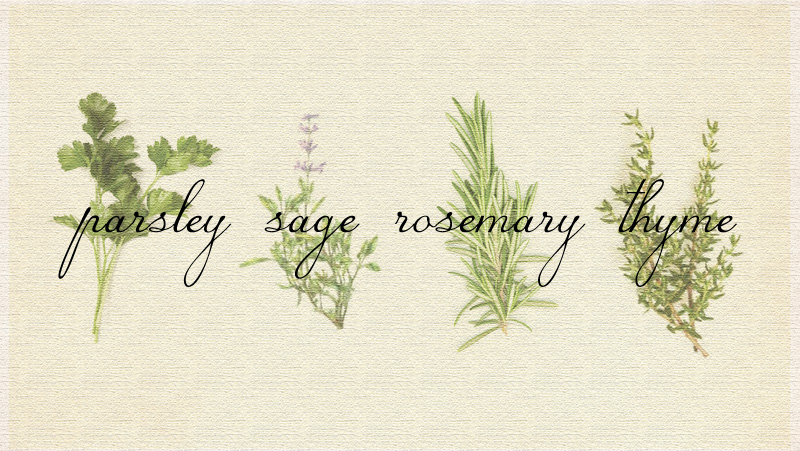
If you’re old enough to count among the Baby Boomer generation, you certainly remember the sensation caused by the release of Simon and Garfunkel’s hit song, “Scarborough Fair,” with its haunting refrain, “Parsley, Sage, Rosemary and Thyme.” Most people who bought the album (yes, it was an album, not an MP3 back then) didn’t really think about the properties of the herbal list as they sang along, and it’s doubtful that Simon and Garfunkel had anything prescriptive in mind, but in fact, they adopted the song from an old English ballad that some say is about the Great Plague in the Middle Ages. The fact is that parsley, sage, rosemary, and thyme were commonly used medicinally in earlier times and may have been used in an attempt to heal victims of the Plague. On the other hand, the four herbs were chief components in a love potion that witches concocted in…
View original post 1,118 more words
A Living Herbal Apothecary
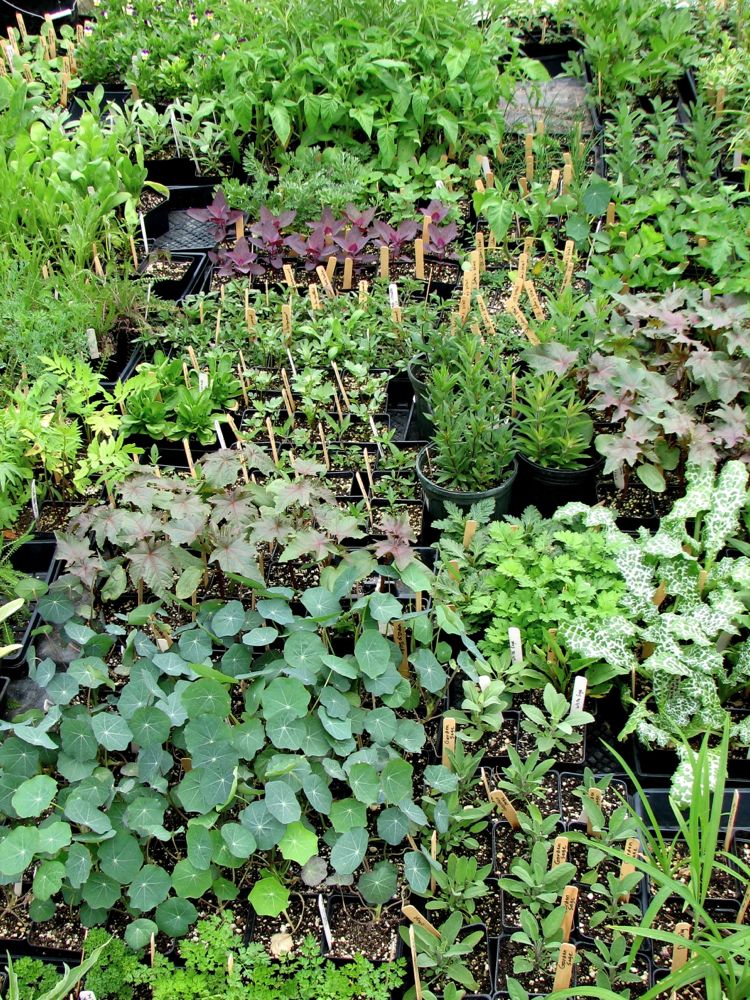
Whether you’re an experienced farmer or completely new to the world of gardening, medicinal herbs offer a unique growing experience. In this article, you’ll learn the steps you need to take to create a living herbal apothecary outside your door. If you have the land to cultivate and would like to grow your own herbs, start right here.
Herbs From the Ground Up:
Gardening begins with the soil; it’s the “ground of our being,” to borrow a phrase. If you take care of the soil, the soil, in turn, will nourish and feed the plants you grow for healing and health.
Soil Types:
An important first step in growing outdoors is to find what kind of soil you have. Take a handful of soil from a couple different places in your yard or on your land, make sure each one is somewhat moist, squeeze it gently in your fist, and…
View original post 4,131 more words
Our Beloved Oregon Grape
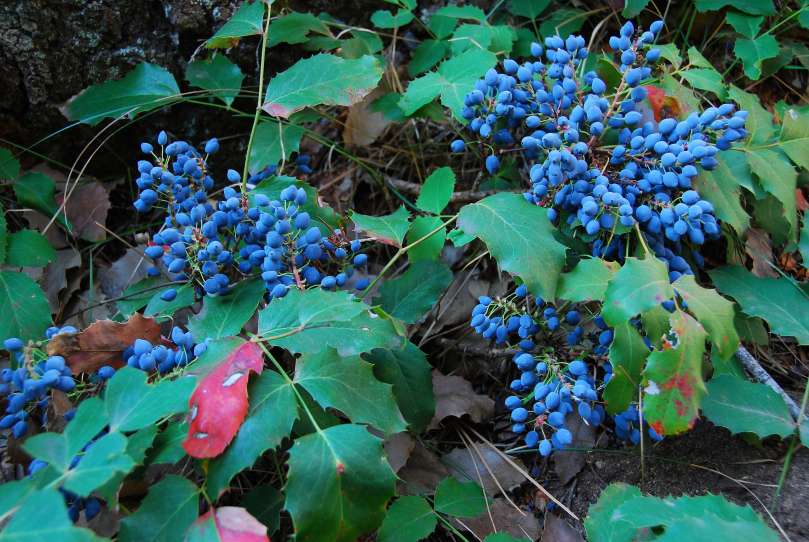
Berberis aquifolium
Also, Known As:
- Oregon Grape
- Mountain Grape
Not many people are aware of the interesting fact that the state flower of Oregon blooms on this beautiful shrub. Known for its attractiveness and its rapid growth, the Oregon grape is used medicinally, as well as for ornamental landscaping in several homes across the country. The leaves of the Oregon grape resemble those of holly; they are dark green, spiny and shiny, in almost the same way as the holly leaves are dark green and shiny. The flowers of this shrub are small and yellowish green in color, and the berries of the Oregon grape are a shade of dark purple-blue, especially when they ripen. They grow in small clusters, and in this, they resemble clusters or bunches of grapes. The Oregon grape shrub can grow to almost 6 feet in height, but in general, it grows about 3 –…
View original post 1,132 more words
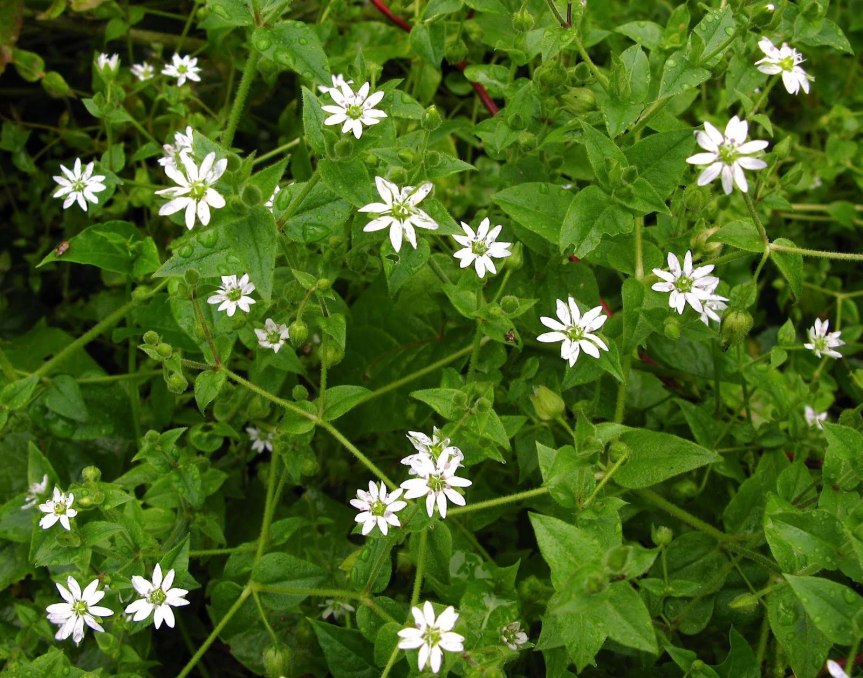
Chickweed {Stellaria media}
Also, Known As:
- Adder’s Mouth
- Chickweed
- Indian Chickweed
- Satinflower
- Scarweed
- Starweed
- Starwort
- Stitchwort
- Tongue Grass
- White Bird’s-eye
- Winterweed
The plant known as the chickweed is a very fragile appearing herb; as a plant, it is actually a very lusty annual plant characterized by the presence of matted to straight green stems growing in profusion over vast areas of land. The chickweed is an extraordinarily hardy herb, and the normal growing starts during the fall season, it is very capable of enduring harsh sleet and severe snowstorms during the winter months, and has been found to be growing even in the far northern areas of the continent, the plant is so hardy that it has been known to be resistant to the majority of weed killers used in agriculture. The production of seeds is usually over by the spring, even though the plant itself is known to begin blooming even when…
View original post 1,978 more words
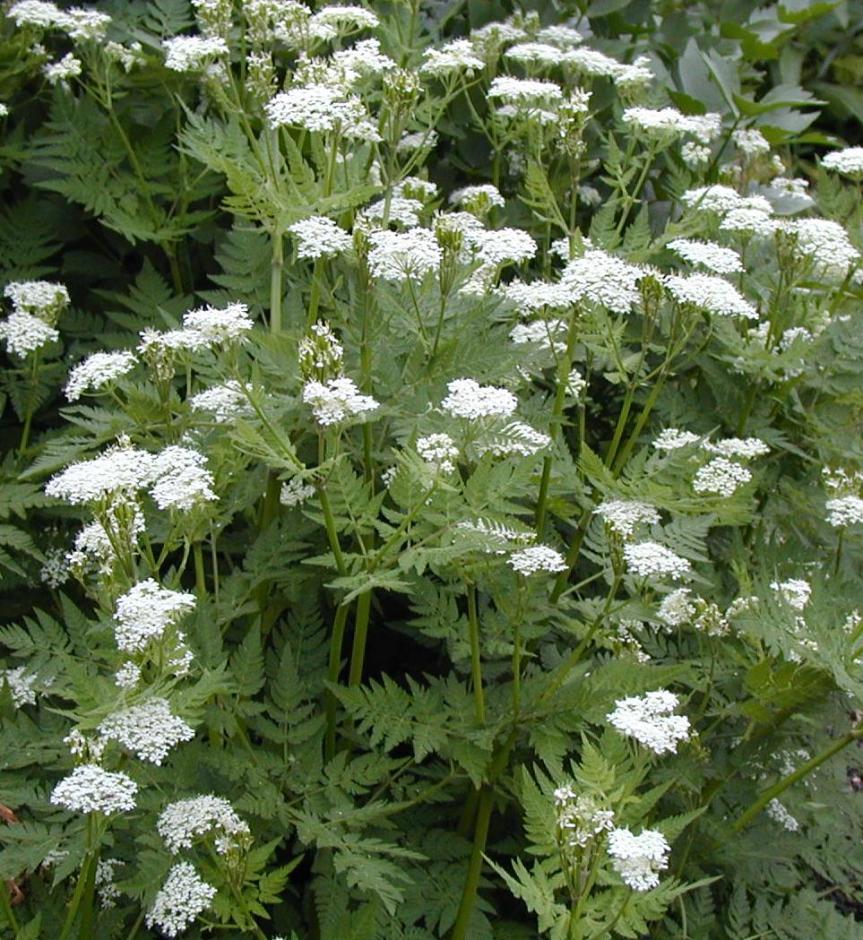
Spring Herb: Cicely {Myrrhis odorata}
Also, Known As:
- Anise Fern
- British Myrrh
- Cicely
- Cow Chervil
- Garden Myrrh
- Shepherd’s Needle
- Smooth Cicely
- Sweet Bracken
- Sweet Chervil
- Sweet Cicely
- Sweet Myrrh
The plant called the sweet cicely is a hardy and robust herb. The cicely is an aromatic perennial herb indigenous to the mountainous areas of Europe and Asian Russia – growing originally only in these regions. The cicely when fully mature can reach 0.6 to 0.9 m or 2 to 3 feet in height. Sweet cicely is one of the first herbs that come up when spring arrives; the sweet cicely is a pretty plant and makes a beautiful backdrop to a perennial border in mountainous regions where it grows.
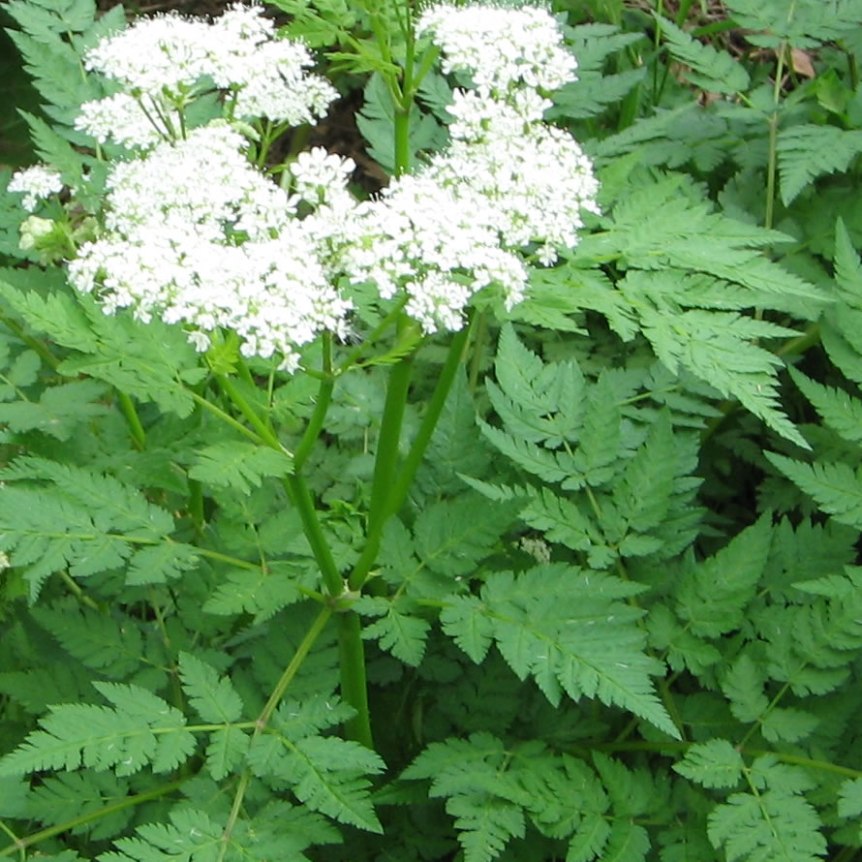 In older times, people would usually grow this old cottage garden perennial at a site near the door to the kitchen. The site would be chosen so that the pretty divided fern-like leaves could be easily accessed…
View original post 1,467 more words
Our ‘Go To’ Herb: Parsley
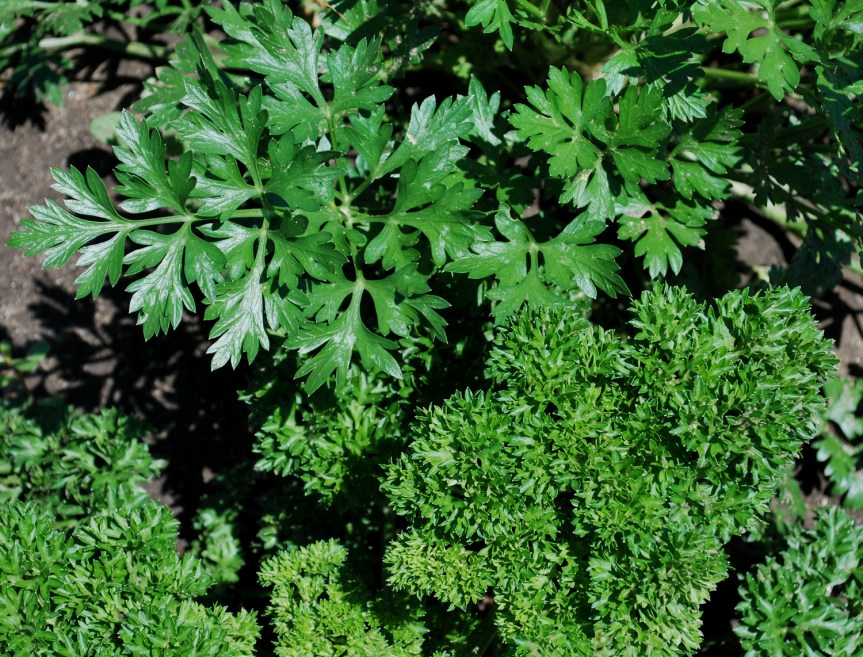
Petroselinum crispum
Also, Known As:
- Common Parsley
- Curly Parsley
- Flat-leaved Parsley
- Parsley
Parsley (botanical name Petroselinum crispum) belongs to the family Apiaceae and is among the most well-known herbs that are extensively used for garnishing of over 2,000 years, but it is hardly ever consumed. In addition, the leaves, fruits and the root of this herb have also been employed in traditional medicine for several centuries. Botanists have described the leaves of this herb as pinnate decompound, which denotes that they are divided and have an appearance slightly akin to feathers. As it is able to easily identify parsley by any individual who has eaten this herb anytime in any restaurant, however, there are a number of essentials regarding parsley. For instance, parsley is a biennial herb that is cultivated extensively. This herb produces small yellow flowers in clusters. The fruits of this herb, which are generally known as seeds…
View original post 2,980 more words
Cleavers – A Common Little Known Herb
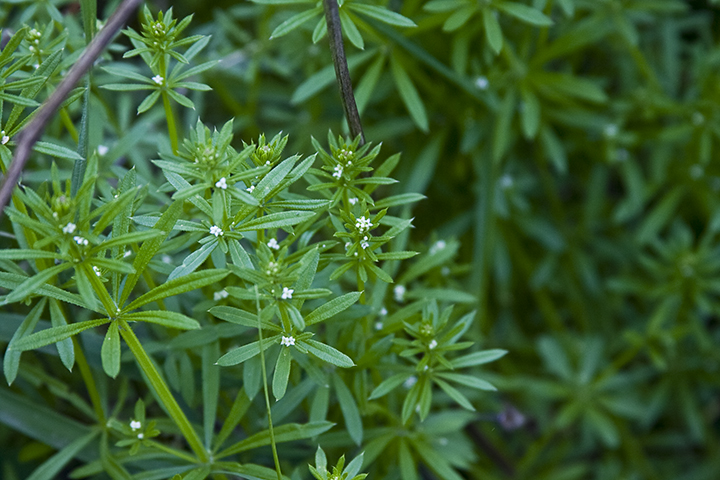
Galium aparine
Also, Known As:
- Catchweed
- Cleavers
- Goose Grass
Cleavers, botanical name Galium aparine, is a herb-like annual plant that is found growing in damp or verdant locales as well as besides the banks or rivers and along the fences in eastern United States, Canada as well as the Pacific coast. Belonging to the plant family Rubiaceae, cleavers has a thin taproot that gives rise to a frail, rectangular, prostrate or climbing thorny stem that grows up to a length of anything between two feet to six feet. This herbaceous annual plant produces coarse leaves whose shape varies from oblong to the head of a lance to nearly straight or linear. The leaves of cleavers appear in whorls of about six to eight encircling the stem. Cleavers bears diminutive flowers having white or greenish-white hues during the period between May and September. Cleavers gives off a potent smell similar to…
View original post 2,197 more words
Plant Profile: Pennyroyal
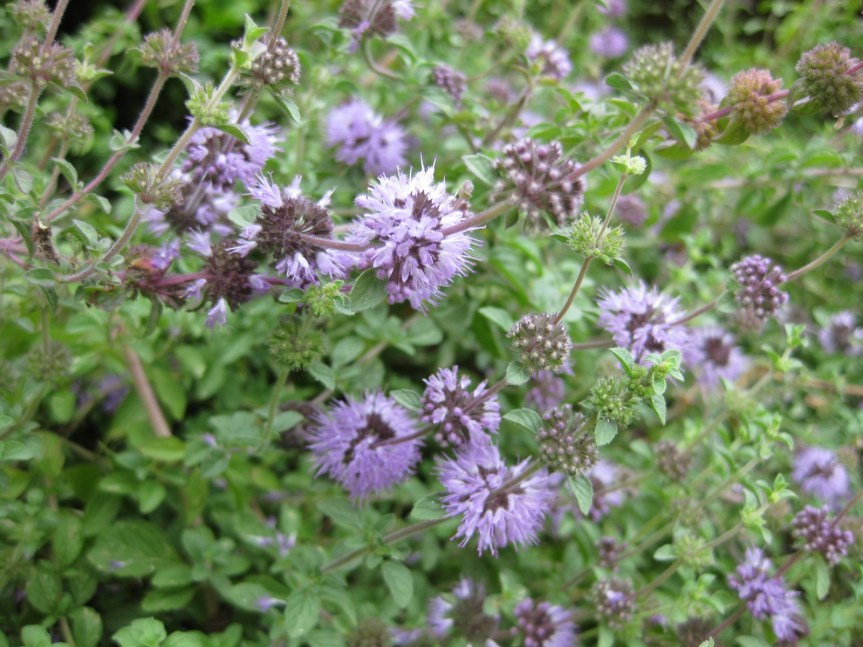
Mentha pulegium
Also, Known As:
- Pennyroyal
Pennyroyal (botanical name Mentha pulegium) belongs to the mint species and is a member of the Lamiaceae family. Although this herb is native to Europe and the western regions of Asia, pennyroyal has now been naturalized in North and South America. Several species and a wide variety of pennyroyal, such as apple mint, pineapple mint, orange mint, are found across the globe. This variety of plant flourishes well in proper sunlit areas and partial shade. This variety of plant requires moist, deep and sandy soils for robust development. In addition, pennyroyal plants also need fertile soil and regular watering. Unless the roots of this variety of plants are not restricted by underground fencing, they breed rapidly.
Pennyroyal, which belongs to the Lamiaceae family, is an aromatic perennial plant that develops from bulbs or tubers. The stems of this plant are found in an assortment of…
View original post 4,253 more words
 Paths I Walk
You must be logged in to post a comment.