Wildcrafting Your Druidry: A Local Materia Medica and Herbalism Practice

Dana's avatarThe Druid's Garden

As we continue to explore the concept of wildcrafting druidry and sacred action that is, developing a spiritual practice and daily life that is fully localized and aligned with nature right outside your door, it is a useful time to consider the role of herbalism and developing a local materia medica.  In herbalism terms, a materia medica is a body of herbal and plant knowledge for the curing of diseases and the promotion of good health.  For example, any book on herbalism that includes entries on herbs and their healing properties is a materia medica.  By starting to develop a local materia medica for your area, you can learn more about the incredible healing properties of plants in your area and develop a sacred connection with them.  You can start entering into a mutually beneficial, reciprocal relationship with the land and support your own health–this is because not only are…

View original post 1,752 more words
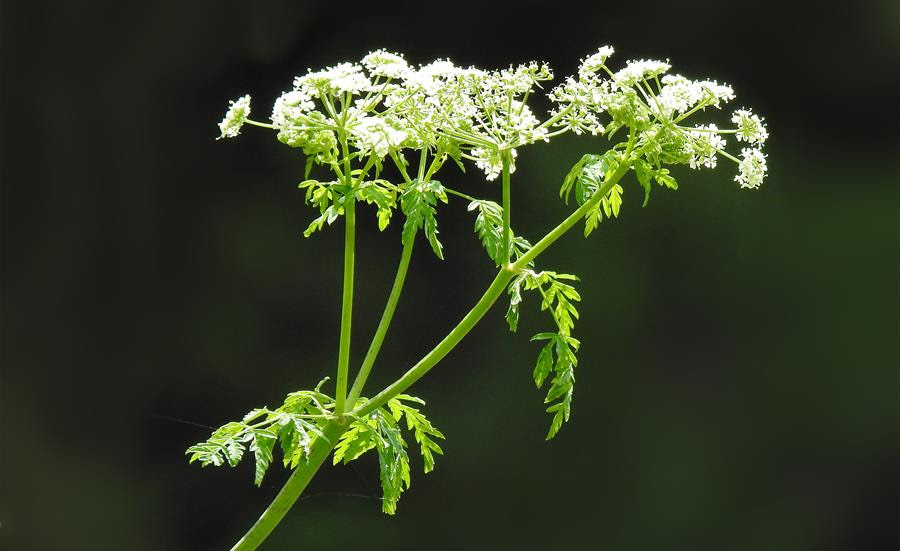
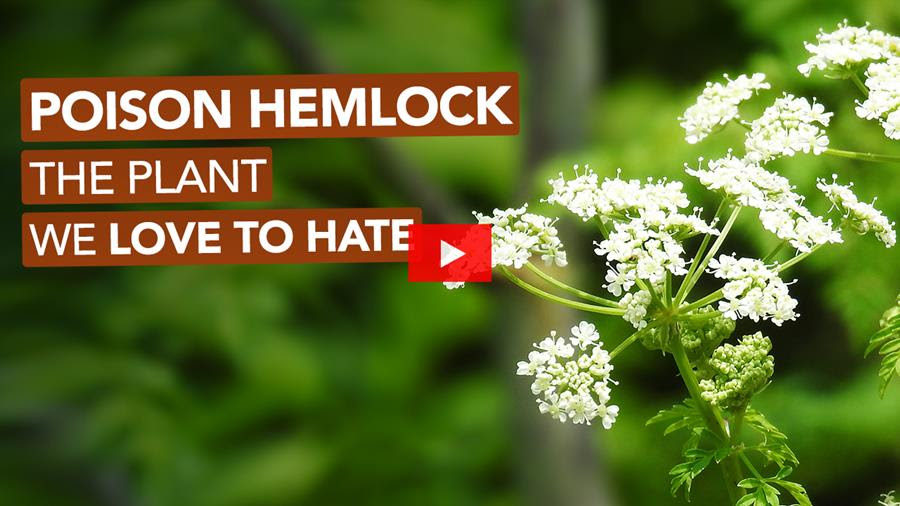
Poison Hemlock — The Plant We Love To Hate

Poison hemlock gets an incredibly bad rap these days. 

It’s weedy.  It’s aggressive.  And it’s lethally toxic.

Here in the United States, poison hemlock grows in almost every single state.  Because many of us will inevitably encounter a naturalized population of poison hemlock, it’s important that we learn its key features and its effects on the human body.

The trend these days is to write scathing articles about poison hemlock where personal feelings eclipse objective information.  Today, however, I’ll offer something different.

In a new video, I don’t get too angry talking about poison hemlock, but I instead try to remain fairly neutral when discussing its attributes. 

If you’re interested in learning more about one of the most toxic plants in the world, check out the brand new video!

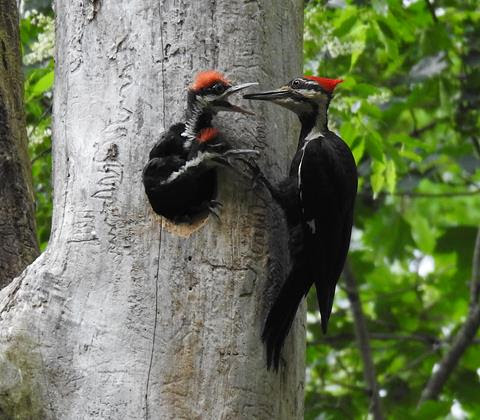
Last year, I stumbled upon a pileated woodpecker nest for the first time.  Exactly one year later, I encountered a second site in a different location.  To read about my recent experience, and to view more photographs of the nest, check out the latest Instagram post!Click to view post

Thanks for reading and watching, and thanks for your continued support!

-Adam Haritan

Sacred Trees in the Americas: Tamarak / Larch – Larix laricina – Magic, Medicine, and Mythology

Dana's avatarThe Druid's Garden

I remember when I first saw a Tamarack tree.  It was growing in a bog where I was hiking in late fall.  I looked at the Tamarack tree in its golden splendor and wondered if the tree was sick or had gotten too wet–was this confier dying?  It had knobby cones and branches, sitting there looking like it was in its death throes.  When I commented on it to my friend, she responded, No, that’s just the tamarack tree, a friend of mine said, and we examined the tree growing on the edge of a beautiful wetland.  Sure enough, a few weeks later, the tree was bare for the winter and only grew back in the spring. The Tamarack tree has a special place in the ecology in North America, especially as a mid-succession tree in very wet and swampy areas.

The Tamarack tree is known by many names: the…

View original post 1,782 more words

Sacred Trees in the Americas – The Magic, Medicine, and Uses of the Tulip Poplar (Liriodendron tulipifera)

Dana's avatarThe Druid's Garden

One of the most majestic experiences you can have with trees is being surrounded by old-growth Tulip Poplar trees.  Tulips grow extraordinarily tall and straight, with thick gray trunks and spreading roots. You feel like you are in a cathedral, standing under these magnificent trees. The tulip trees get their name both from the leaves–which are shaped like a tulip and from their flowers–beautiful, large, showy orange and yellow flowers that look just like a tulip. You can find these trees easily in June as the showy tulip leaves begin to drop to the forest floor. They are also easy to spot in the winter–you can look up and see the remains of the tulip flowers, gone to seed, throughout the winter months–they look like little cups reaching up to the heavens, a beautiful sight.

We have one such grove of tulip trees in a local park near here–a local…

View original post 2,603 more words

Sacred Trees in the Americas: Flowering Dogwood (Cornus Florida) Magic, Medicine, and Mythology

Dana's avatarThe Druid's Garden

With the advent of Beltane, it is an excellent time to share about the magic and sacredness of the dogwood tree–a tree that is in bloom across the landscape this time of year. I feel like dogwood is one of those trees that everyone knows, but nobody takes the time to know well.  In all of my time in the druid community, when people talk about their favorite trees, I don’t think I’ve ever heard dogwood mentioned.  She’s a quiet and unassuming understory tree, and after her spring show of white or pink bracts and yellowish tiny flowers, she fades into the rest of the forest.  And yet, in studying her medicine and ecology, we can gain so much from this wonderful tree.

Dogwood is a popular tree here in North America, both as a native tree found in the understories and edges of Oak-Hickory forests throughout its wide range…

View original post 2,370 more words

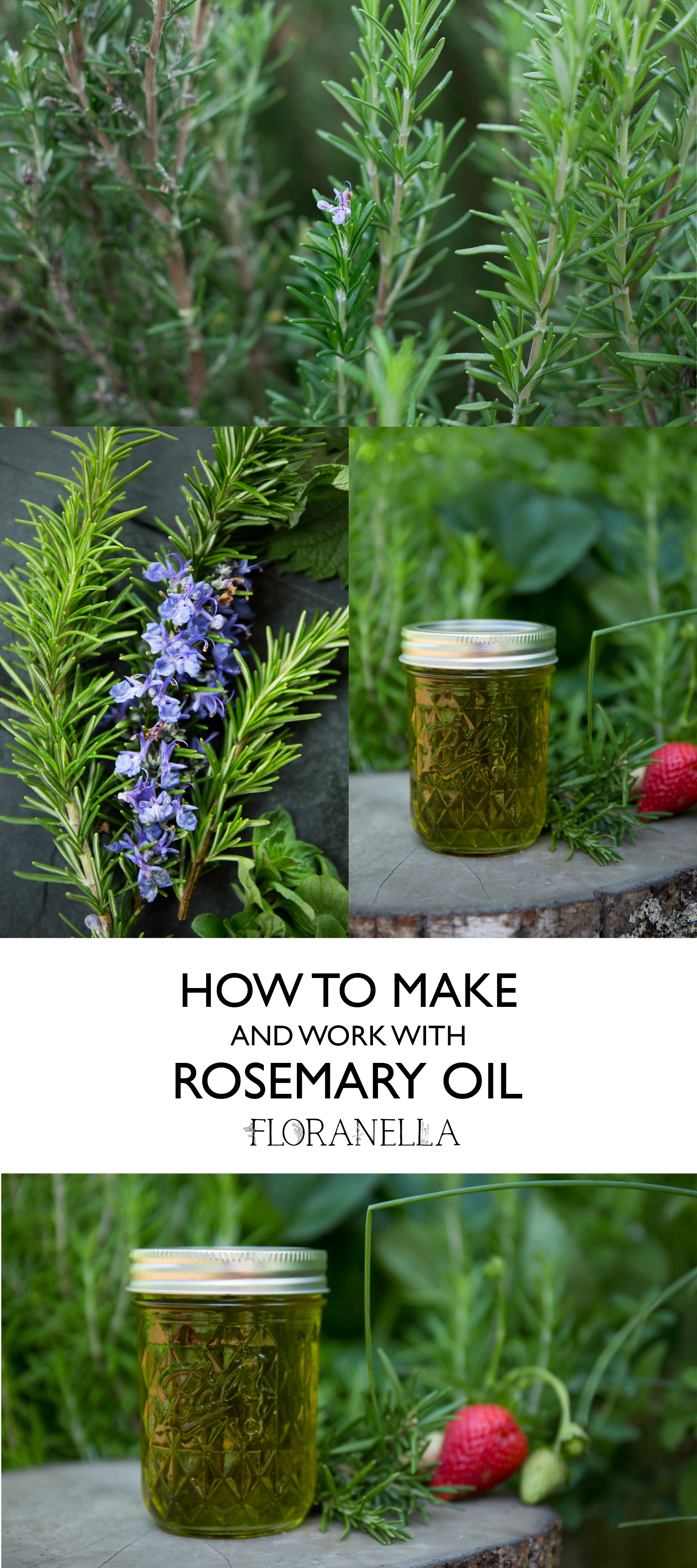
How to Make and Work with Rosemary Oil in Your Apothecary – Floranella

Crooked Bear Creek Organic Herbs's avatarGood Witches Homestead

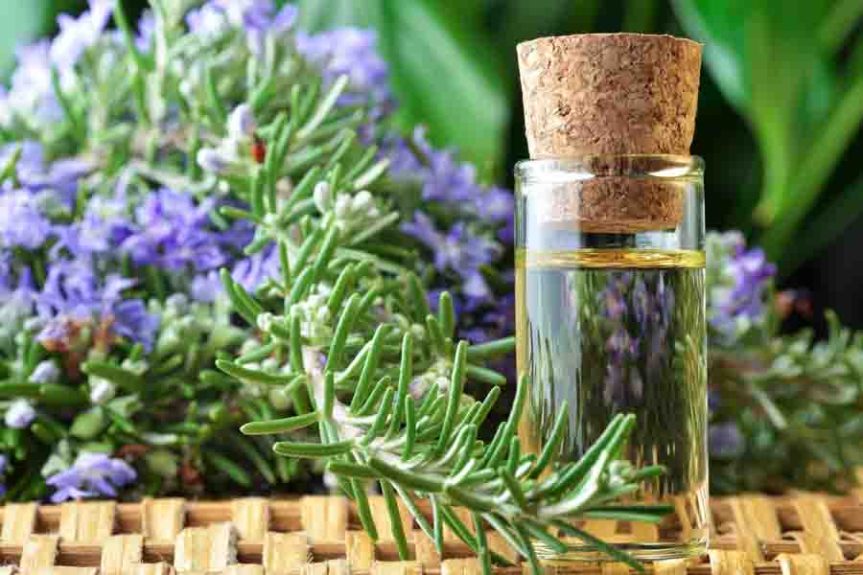
You have probably heard that St. John’s wort oil is incredible for muscle aches and pains, but did you know that rosemary-infused oil can also work wonders? Not everyone has access to fresh St. John’s wort when it’s flowering at just the right stage for making oil, but most people have access to rosemary. Even if you don’t grow it, you can find it in the spice or produce aisle at your local grocer. It won’t turn the oil that brilliant red color, but it will be effective! Let’s talk about how to make a rosemary oil that can really work.

To make your rosemary oil, you’ll want to first dry your rosemary. Strip the leaves from the stems and lay them out on a drying rack or towel-lined cookie sheet. Allow them to air dry until they feel brittle and will break easily when you try to bend them…

View original post 441 more words

How To Be Naturally Healthy Featuring Rosemary Gladstar (FREE Registration)

Crooked Bear Creek Organic Herbs's avatarCrooked Bear Creek Organic Herbs

Home Medicine Summit: October 14 – 20, 2019

Home Medicine Summit

Here’s Just A Small Sample Of The Practical Skills And Knowledge You Can Expect To Gain During This Exciting FREE Global Event:

4 garlic

Why herbs that are grown Biodynamically yield the most potent medicinal herbs.

2 chili

The link between your gut microbiome and your sleep + the best herbs for better sleep.

flower

Discover Rosemary Gladstar’s most favorite herb.

1 mortar

7 Tips for staying healthy while traveling, and the herbs you need if you do get sick on the road.

6 lavender

How to make the most effective cannabis medicines in your own kitchen.

5 elder plant

5 Uses Of Elderberry – Go beyond syrups and discover its 15,000-year history.

4 garlic

What to do (and NOT do) if an influenza epidemic or pandemic breaks out.

2 chili

Understand the 4-stage process of Lyme disease (and specific protocols for handling each stage).

flower

Learn how to translate human herb dosages to treat pets, and what you…

View original post 362 more words

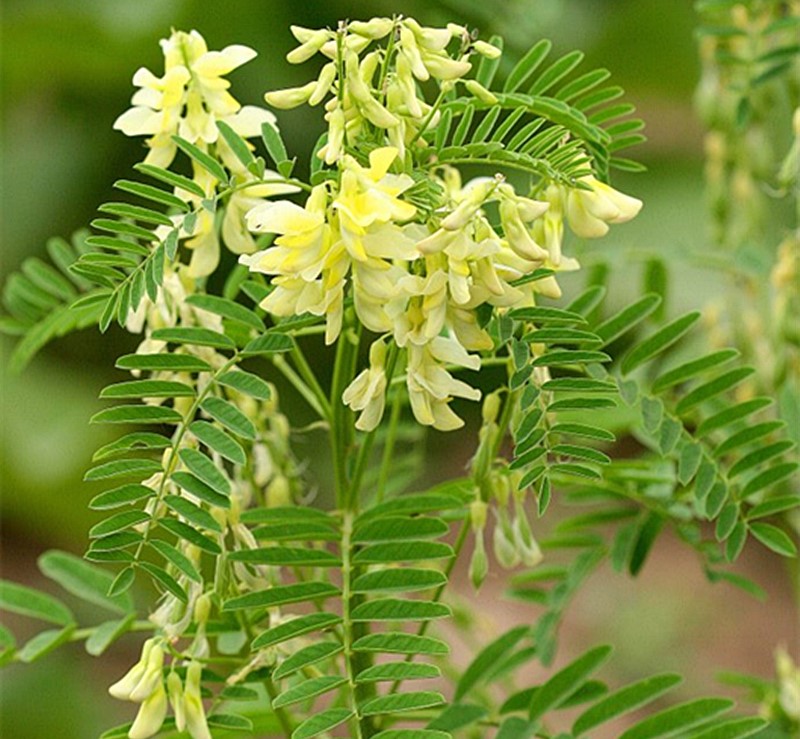
Astragalus; Adaptogen Herb for Stress and Balance

Crooked Bear Creek Organic Herbs's avatarCrooked Bear Creek Organic Herbs

What are adaptogens?

Adaptogens are herbs that help us adapt to changes and stress caused by physical, biological, emotional, and environmental factors. They can assist in restoring balance within the body and help us defend against both chronic and acute stressors.

One of my favorite adaptogens is astragalus.

Astragalus (Astragalus Membranaceus)

Astragalus is an adaptogenic herb often used in Chinese medicine. It is calming to the Central Nervous System (CNS) and has antimicrobial properties. Astragalus helps support respiratory functions making it useful in times of infection and useful for allergies and asthma. This herb thought to boost the immune system, increase energy, and address fatigue associated with chemotherapy and chronic illness.

Due to it’s antibacterial and antiviral properties, along with its immune-boosting capabilities it may be useful in preventing and decreasing the severity of common colds and respiratory infections. Astragalus may also be used with herbs such…

View original post 1,327 more words

Back to School; Finding Your Herbal Path — Good Witches Homestead

Looking for a career in the burgeoning and rewarding field of herbs? Start by finding the right educational program to suit your individual needs and goals. By some estimates, 70 percent of Americans are not fully satisfied with their current jobs, and this lack of contentment impacts not only the workplace but also our personal […]

via Back to School; Finding Your Herbal Path — Good Witches Homestead

Summer Herbals: Estafiate

Crooked Bear Creek Organic Herbs's avatarCrooked Bear Creek Organic Herbs

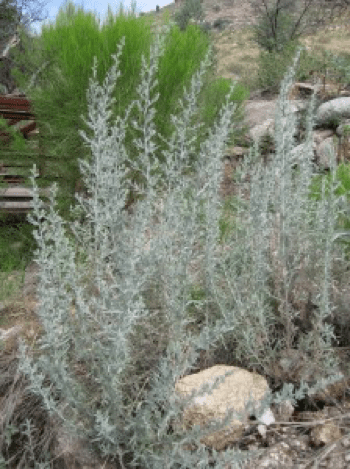
Artemisia ludoviciana – Estafiate

Other names: Western Mugwort, Western Wormwood, Louisiana Sagewort, Prairie Sagewort, Mountain Sage, Simonillo, Itzauhyatl (Nahuatl)

Origin: Native throughout the entire western US

Energetics: Warm & Dry. Bitter, Pungent, slightly Astringent. Vital stimulant, Tonic Relaxant

Properties: Digestive, Carminative, Diaphoretic, Aromatic Bitter, Anti-inflammatory, Analgesic, Decongestant, Sedative, Nervine, Hepatic, Cholagogue, Choleretic, Diuretic, Expectorant, Emmenagogue, Anodyne, Anthelmintic, Antioxidant, Antispasmodic, Anti-fungal, Hemostatic, Styptic

Organ Affinities: Liver, gall bladder, gut, nervous system, female reproductive, lungs, muscle tissue, tendons/ligaments, endocrine, brain, skin, blood

Uses: Internally: Indigestion, gas, bloating, poor appetite, acid reflux, GERD, mild constipation, gastritis, diarrhea, IBS symptoms, weakened digestion, gastroenteritis, pinworms, cold, flu, chest congestion, fever, traumatic injuries, amenorrhea, edema, nervous exhaustion, muscle pain.  Externally: Broken bones, bruises, sprains, strains, nosebleeds, insect bites, stings (bee, scorpion), poison ivy rash, rheumatism, moxibustion Other uses from ethnobotanical sources include: Foot deodorant (placed in shoes), poultice of leaves applied to…

View original post 2,344 more words