
The Power of Pungent Herbs

By Crooked Bear Creek Organics

Crooked Bear Creek Organic Herbs's avatarCrooked Bear Creek Organic Herbs

Energetically warming herbs and spices can help us spark a little fire in the body by improving digestion, boosting circulation, moving out congestion, and more. Not only that, they’re readily available in our pantries, lending themselves to some tasty medicine.

When it comes to herbal flavors and actions, many of our most potent and memorable herbs are “pungent.” Think of those foods you use in cooking to add a kick to your dishes – ingredients like garlic, onions, horseradish, ginger, cayenne pepper, black pepper, mustard, and turmeric. These all add a whopping dose of spice and flavor, but they also play an important role in herbal medicine, providing warmth and reviving bodily systems.

Heating Up The Body

Pungent herbs are particularly popular during the colder months because they boost circulation, warm our bones, enhance digestion {of those harder -to- digest starchy storage crops and meats of winter}, stimulate the senses, help move…

View original post 1,886 more words

The Health Benefits of Alfalfa

By Crooked Bear Creek Organics

Crooked Bear Creek Organic Herbs's avatarCrooked Bear Creek Organic Herbs

We grow and cultivate alfalfa as a commercial crop, to feed our livestock and as well, I grow some around the house. I make sprouts, a herbal tea and I love the gorgeous little flowers in the late spring, early summer.

Medicago sativa

Also, Known As:

  • Alfalfa
  • Buffalo Herb
  • Lucerne
  • Mu-su
  • Purple Medic

Alfalfa is a common sight in many temperate grasslands of the world. Alfalfa belongs to pea family (Fabaceae). The herbal remedies made utilizing the alfalfa have been generally prescribed by herbalist for the treatment of a variety of ailments and disorders, the alfalfa can be taken in the form of an herbal tea and it is also used in the form of herbal tablets or capsules, at times the dried plant itself is consumed by patients. The effectiveness of the herbal remedies made from the alfalfa in treating disorders is available from many testimonials written by people who…

View original post 2,025 more words

Sage for Sore Throats

By Crooked Bear Creek Organics

Crooked Bear Creek Organic Herbs's avatarCrooked Bear Creek Organic Herbs

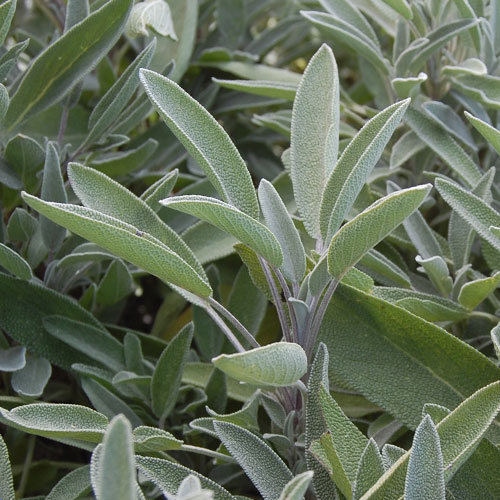
My grandma used to keep a cup of sage gargle by the sink every time one of us kids would get a cold or a sore throat. Little did she know that years later, science would back up her folk remedy as not only being pain-relieving but also as having anti-inflammatory and anti-bacterial properties.

Next time you feel a sore throat coming on, try this sage throat-gargle DIY recipe. Works like magic! Make fresh daily.

sage gargle

View original post

Natural Approaches for Seasonal Allergies

By Crooked Bear Creek Organic Herbs

Crooked Bear Creek Organic Herbs's avatarCrooked Bear Creek Organic Herbs

Spring has officially arrived, and with it, seasonal allergies. Roughly 35 million Americans live with seasonal allergic rhinitis, or what we commonly call hay fever. While it can occur at any time of the year, springtime is generally one of the worst seasons for allergy sufferers. Here are some natural approaches for helping curb the pesky side effects of seasonal allergies.

Seasonal Allergies

Springtime has officially arrived. The days are getting longer and warmer, and the songbirds are returning, the trees and flowers are starting to bloom. And for many, the nose starts getting stuffy, their eyes get itchy, they begin to sneeze, and their head feels congested. Roughly 35 million Americans live with seasonal allergic rhinitis, or what we commonly call hay fever. While it can occur at any time of the year, springtime is generally one of the worst seasons for allergy sufferers.

For some, when they inhale…

View original post 1,511 more words

Food as Medicine: Dog Rose Hip (Rosa canina, Rosaceae)

By Crooked Bear Creek Organic Herbs

Crooked Bear Creek Organic Herbs's avatarCrooked Bear Creek Organic Herbs

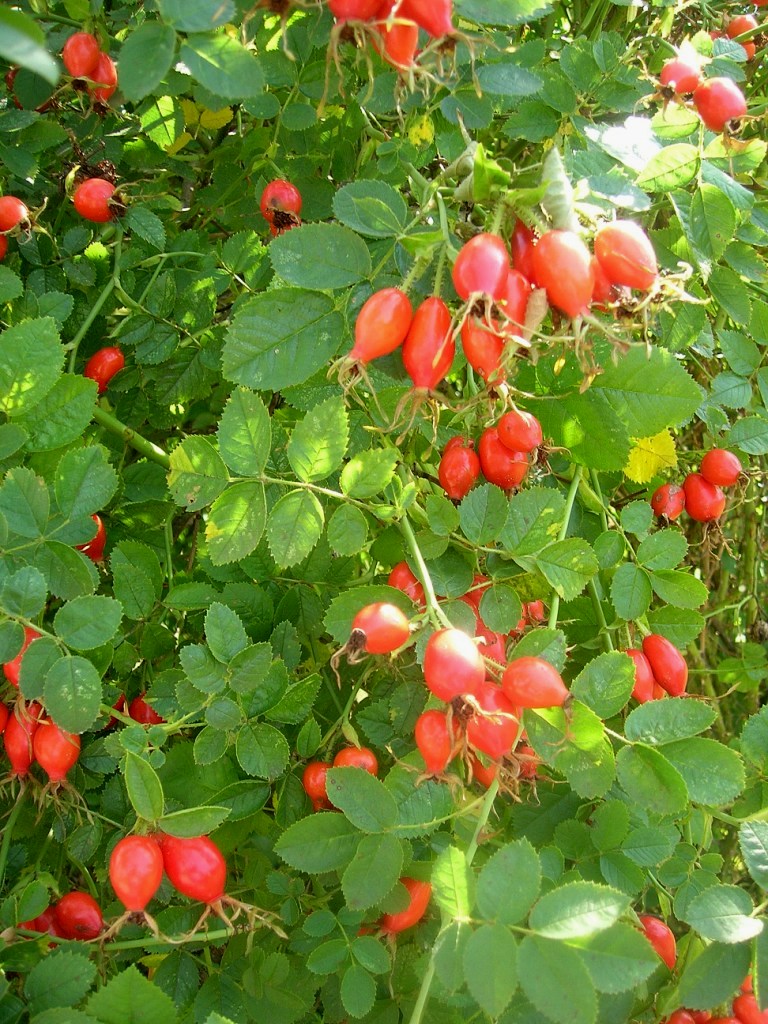
The rose (Rosa spp.) hip (also sometimes written as “rosehip”) is a pseudofruit in the economically important Rosaceae family, which includes apple (Malus spp.), strawberry (Fragaria spp.), plum (Prunusspp.), and almond (Prunus spp.). The genus Rosa includes more than 100 species that have been cultivated since ancient times in a vast array of climates.1 Both rose petals and rose hips can be used in culinary and herbal preparations. Rose plants grow as shrubs and are characterized by thorny stems, compound, serrated leaves, and attractive, colorful flowers.2 Different species of roses are native to areas around the world from Europe to Japan, where they have a long history of culinary and medicinal use.3 Today, roses are cultivated commercially for ornamental and medicinal purposes in Europe and Asia, but wild varieties are also found in North and South America.

The rose hip is an aggregate…

View original post 2,432 more words

Mexican Mint Marigold

By Crooked Bear Creek Organic Herbs

Crooked Bear Creek Organic Herbs's avatarCrooked Bear Creek Organic Herbs

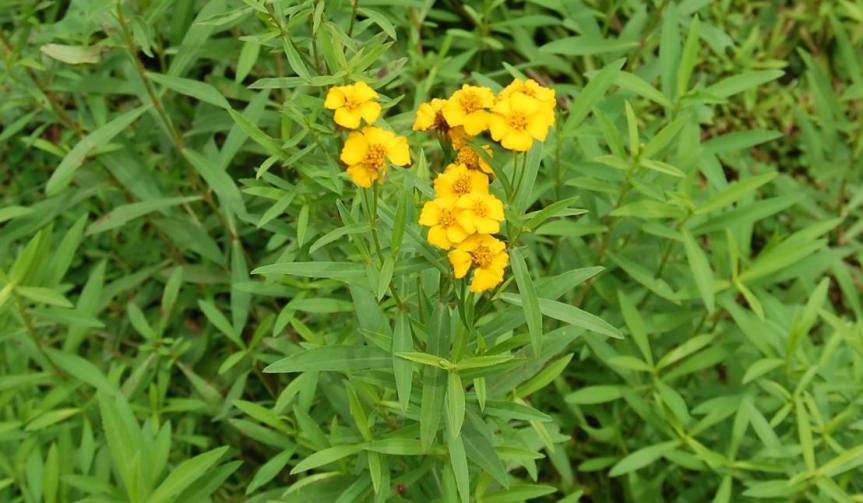
This very ancient herb goes by a variety of common, but somewhat confusing names. ‘Mexican mint’ marigold is the most common, but you’ll also find it listed as ‘Texas’ tarragon, ‘Mexican’ tarragon, cloud plant, Coronilla, winter tarragon, sweet mace, sweet marigold and ‘Spanish’ tarragon. It isn’t, however, related to ‘French’ tarragon (Artemisia dracunculus ‘Sativa’) at all.

Don’t confuse ‘French’ tarragon, which is used for cooking, with false or ‘Russian’ tarragon, A. dracunculoides, because it is somewhat invasive, grows well in hotter climates, and is grown from seed.

The Latin name, Tagetes Lucida, refers to its other Tagetes relatives, the marigolds. ‘Mint’ marigold is a perennial, native to Central and South America and has been used as a seasoning herb, tea plant and medicinal in native cultures for more than a thousand years.

The flavor is anise-like, a bit sweeter than ‘French’ tarragon, but used in some of…

View original post 609 more words

Plant Profile: Red Clover {Trifolium pratense}

By Crooked Bear Creek Organic Herbs

Crooked Bear Creek Organic Herbs's avatarCrooked Bear Creek Organic Herbs

Family: Fabaceae

This all-around wellness herb and blood purifier is a key ingredient in herbal blends popularized during the early 1900’s and used in cancer treatment, including Essiac, Dr. Christopher’s Red Clover Combination, and the Hoxsey formula. Red clover has been an Old World symbol for luck and abundance since ancient times. And when it arrived in America with the colonists, its use quickly spread among American Indian tribes.

Description:

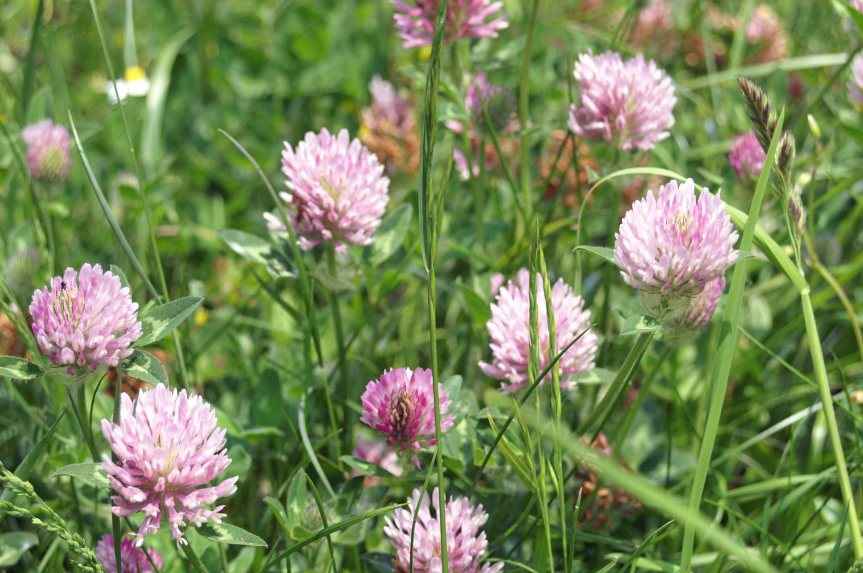
This stout clover has deep pink – not red – plump, round flower heads that contain numerous, small, pea-type flowers above a three-leaved bract. The leaves are marked with a single pale chevron. The lax stems trail up to 2 feet, creating a soft green mass.

Preparations Infusion:

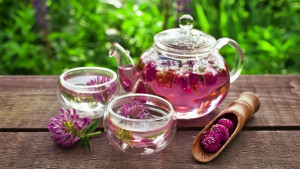
red-clover-tea-760x428Make a strong infusion or tincture of red clover tops, and drink 1/2 to 1 cup two or three times daily. Commercially available red clover preparations include tinctures and concentrated and often…

View original post 1,773 more words

Plant Profile: White Clover {Trifolium repens}

By Crooked Bear Creek Organic Herbs

Crooked Bear Creek Organic Herbs's avatarCrooked Bear Creek Organic Herbs

Also, Known As:

  • Dutch Clover
  • White Clover

White clover (botanical name Trifolium repens) is a clover species that is indigenous to Europe, West Asia and Northern regions of Africa. Extensively introduced across the globe, this species is cultivated in the form of a pasture crop and is currently even common in the grassland regions of North America as well as New Zealand. White clover is also known as Dutch clover, as this species was cultivated in Holland for the first time.

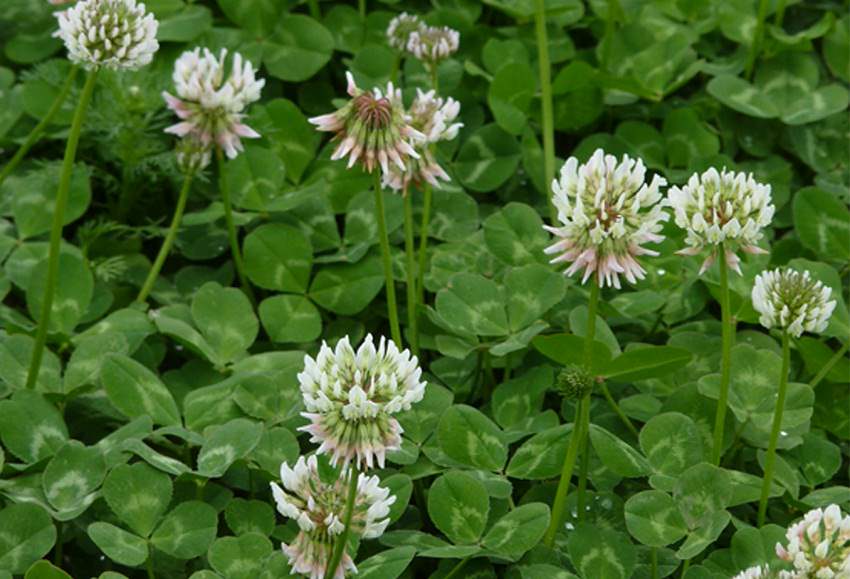
White clover is a herbaceous (herb-like) perennially growing small plant. It grows close to the ground and produces small whitish flower heads, which usually have a pink or creamy tinge, which may occur as the plant matures. Usually, the flower heads measure anything between 1.5 cm and 2.0 cm (0.6 inches and 0.8 inches) wide and appear at the end of the flower stalks or peduncles measuring about 7…

View original post 1,507 more words

Endangered Species: False Unicorn Profile

By Crooked Bear Creek Organic Herbs

Crooked Bear Creek Organic Herbs's avatarCrooked Bear Creek Organic Herbs

Chamaelirium lutetium

Also, Known As:

  • Blazing Star
  • Devil’s Bit
  • False Unicorn
  • Helonias Root

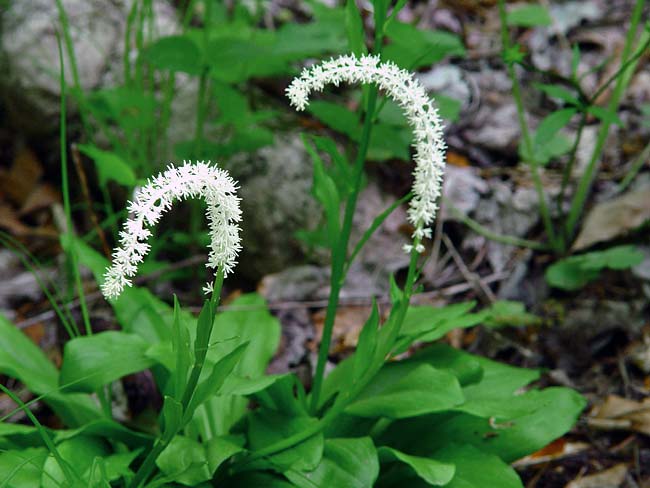
During the colonial period in North America, people used false unicorn, also known as Liatris (botanical name Chamaelirium lutetium) as a medicinal herb. However, its current use is strictly limited to being an ornamental plant. In fact, false unicorn is preferred by florists while arranging cut flowers for any customer owing to the exquisite lavender spikes of the plant’s fluffy flowers. Dissimilar to the majority of the different spike blooms, false unicorn flowers are an omission from the rule. The flowers of this herb develop at the apex of the spikes in a descending pattern. The flowering spikes of the false unicorn may be about two feet or even longer and have either purple or lavender hue.

The false unicorn is a perennially growing plant that is indigenous to the United States and is found growing in…

View original post 1,725 more words

The Forager’s: Life Root Profile

By Crooked Bear Creek Organic Herbs

Crooked Bear Creek Organic Herbs's avatarCrooked Bear Creek Organic Herbs

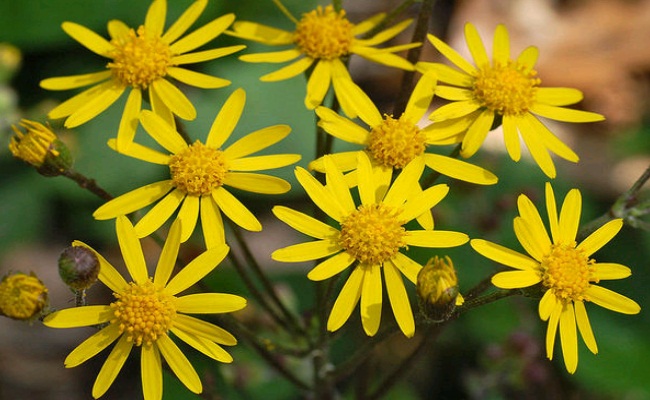
Senecio aureus

Also, Known As:

  • Cocashweed
  • Coughweed
  • False Valerian
  • Golden Ragwort
  • Golden Senecio
  • Liferoot

The herb known as the life root is a perennial wildflower species of the daisy family of plants – Asteraceae; it reaches about half to two m in height. A small rosette of basal leaves approximately six to eight inches across is found at the base of each plant. The basal leaves have blades that are normally two inches in length and two inches wide. The leaves are cordate orbicular in shape, possessing crenate, dentate edges without any hair on the surface. The length of the blades is matched by the length of the slender petioles of the basal leaves. Each rosette develops a flowering stalk from its center which grows up. Usually, two to three alternate leaves are borne along this flowering stalk. The size of the alternate leaves is smaller compared to the size…

View original post 1,716 more words