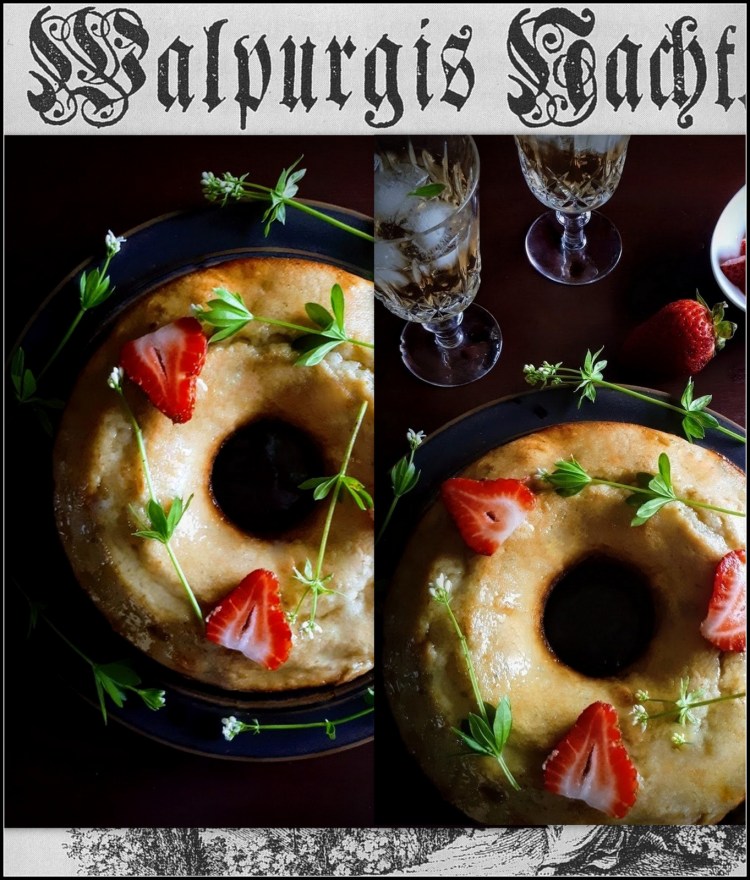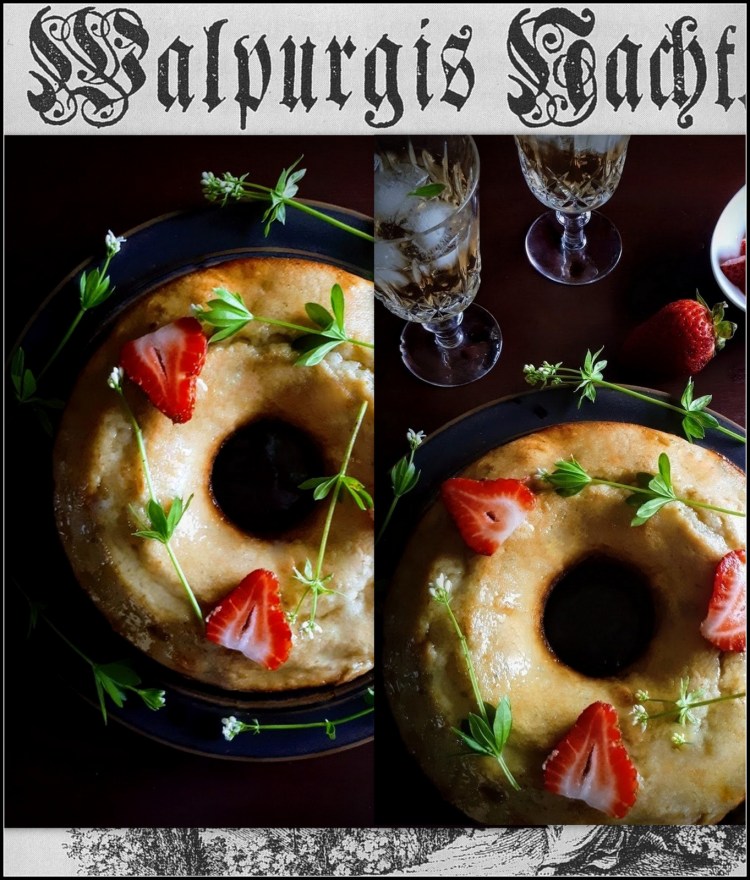
Bewitching Maibowle Cream Cake For Walpurgis Nacht (May Day Eve) – Gather Victoria

Crooked Bear Creek Organic Herbs's avatarGood Witches Homestead

Soon May Day Eve will be upon us – so I’m sharing this recipe posted last year at Gather Patreon. (Patrons will see a new recipe coming soon!) This Maibowle Cream Cake – made and…

Source: Bewitching Maibowle Cream Cake For Walpurgis Nacht (May Day Eve) – Gather Victoria

View original post

Welcoming Spring in the Year 1400

The Herb Society of America's avatarThe Herb Society of America Blog

By Zainab Pashaei

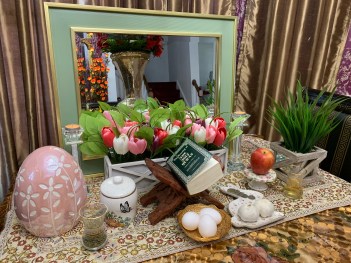
Haft-Sin tableI’m not talking about time travel. Nowruz—the equivalent of the New Year—was just celebrated on the spring equinox in Iran as well as in numerous other countries and among ethnic groups in the Middle East. In Iran, the first month of the year is called Farvardin, which began on March 20, 2021 (spring equinox). Although the year is specifically 1400 in Iran, Iranian traditions for Nowruz are thousands of years old and pre-date the emergence of Islam in the country. In contrast to Western nations, the importance of nature and spring plays a critical role in new year festivities of the nation. Many of these festivities are symbolic and involve herbs, nature, and light (fire).

JumpingDuring the festivities, which start on the Wednesday before the spring equinox, Iranians will gather and jump over fires and light fireworks in observance of Chaharshanbe Suri (loose translation =…

View original post 872 more words

The Incredibly Tasty Tulip: Chèvre Cheese Balls — Gather Victoria

I’m not sure about you but Vancouver Island is awash in tulips! From pale yellows, crimson reds, pumpkin oranges, deep purples, lustred pinks and snow-white, their luminous colours are stunning. The most unsung of tulips many spring charms, however, is her edibility. With flavours and textures as diverse as her colours, her blooms offer not…

The Incredibly Tasty Tulip: Chèvre Cheese Balls — Gather Victoria

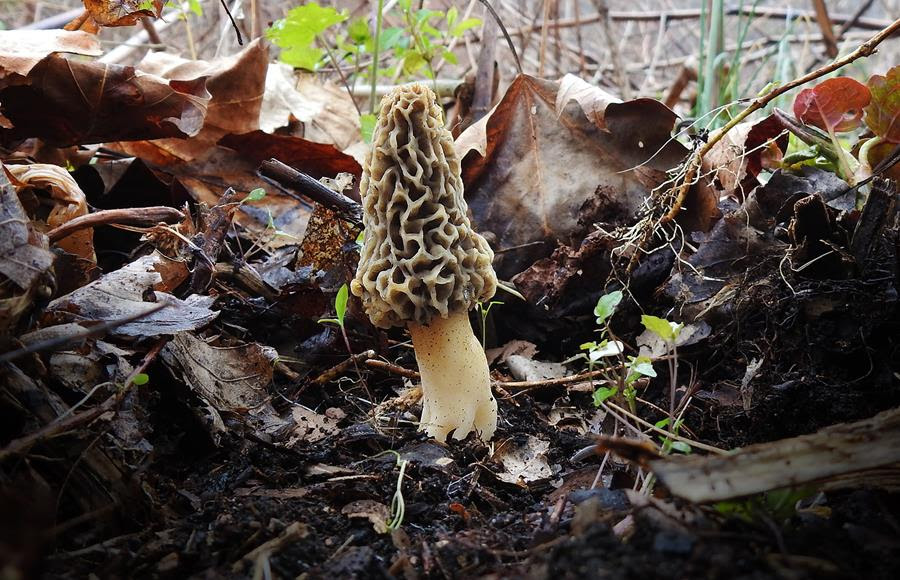
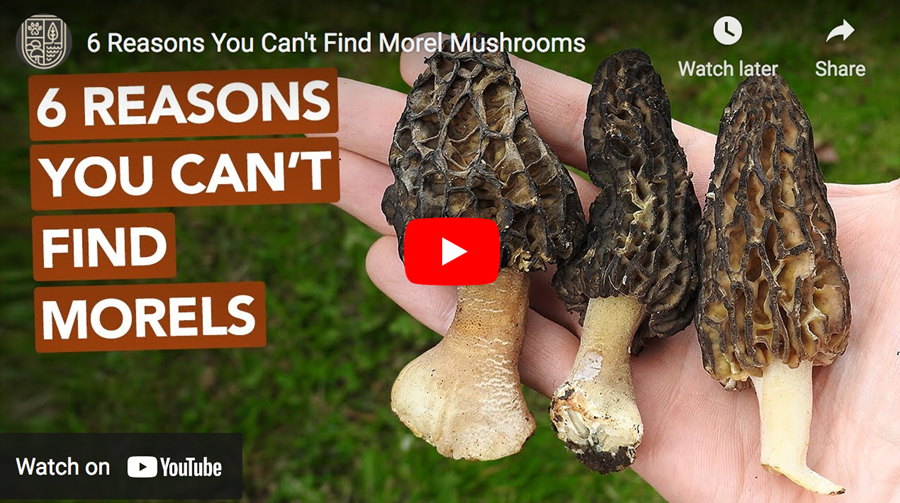
6 Reasons You Can’t Find Morel Mushrooms

Some wild mushrooms are easy to locate and are so large that single specimens can easily weigh 15 pounds.

Morels are different. 

They’re not easy to locate.  Their season is short.  And multiple specimens are required just to provide a single meal.  Still, morels are among the most coveted of all wild fungi.

Every year countless foragers eagerly head to the woods in search of these treasured mushrooms, and every year countless foragers dishearteningly leave the woods without them.

If you are someone who cannot seem to find morel mushrooms no matter how hard you try, check out the following video.  In it, I discuss 6 common reasons why people have trouble locating these elusive fungi.

You can watch the brand new video here.

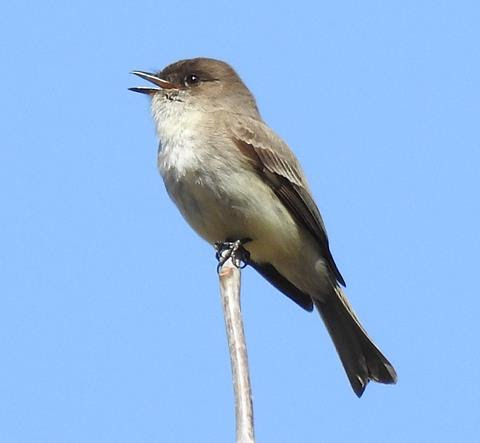
Like clockwork, this migratory bird sings in my neck of the woods three to four weeks before morel mushrooms appear.  Are you familiar with this harbinger of spring? Check out the latest Instagram post to learn more!Click to view post

Thanks for reading and watching, and thanks for your continued support!

-Adam Haritan

Chervil – Herb of the Month

The Herb Society of America's avatarThe Herb Society of America Blog

by Maryann Readal

chervil plantChervil, Anthriscus cerefolium, is similar to parsley but has a milder, anise flavor. It is sometimes called French parsley or garden parsley. The Romans named it cherifoliu, the ‘cheri’ part meaning delight and the ‘folium’ part meaning leaves—the joy of leaves.

Chervil is important in French cuisine, where it is an ingredient in classic sauces such as béarnaise and ravigote. These sauces pair well with fish, veal, or chicken. Along with parsley, chives, and tarragon, chervil is in the French herb combination, herbes fines. Chervil is better used fresh as it loses its flavor when dried. It should be added at the end of cooking to get the most out of its flavor. It is a good addition to omelets and salads and can be sprinkled over fresh fruit. Chervil makes a flavorful and colorful butter. The leaves and flowers can…

View original post 1,075 more words

Delectable Native Edibles

The Herb Society of America's avatarThe Herb Society of America Blog

By Andrea DeLong-Amaya

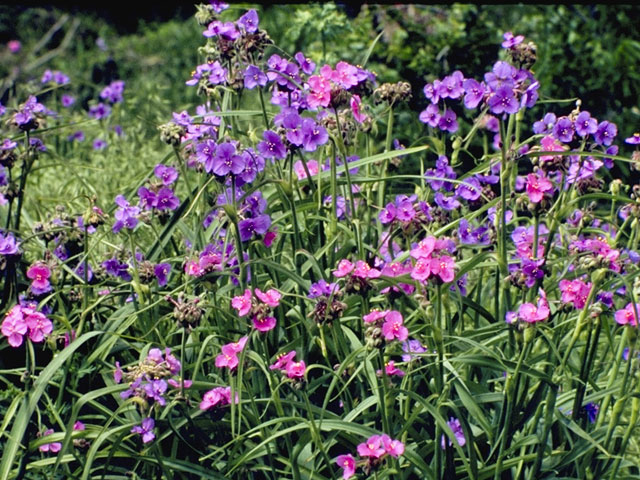
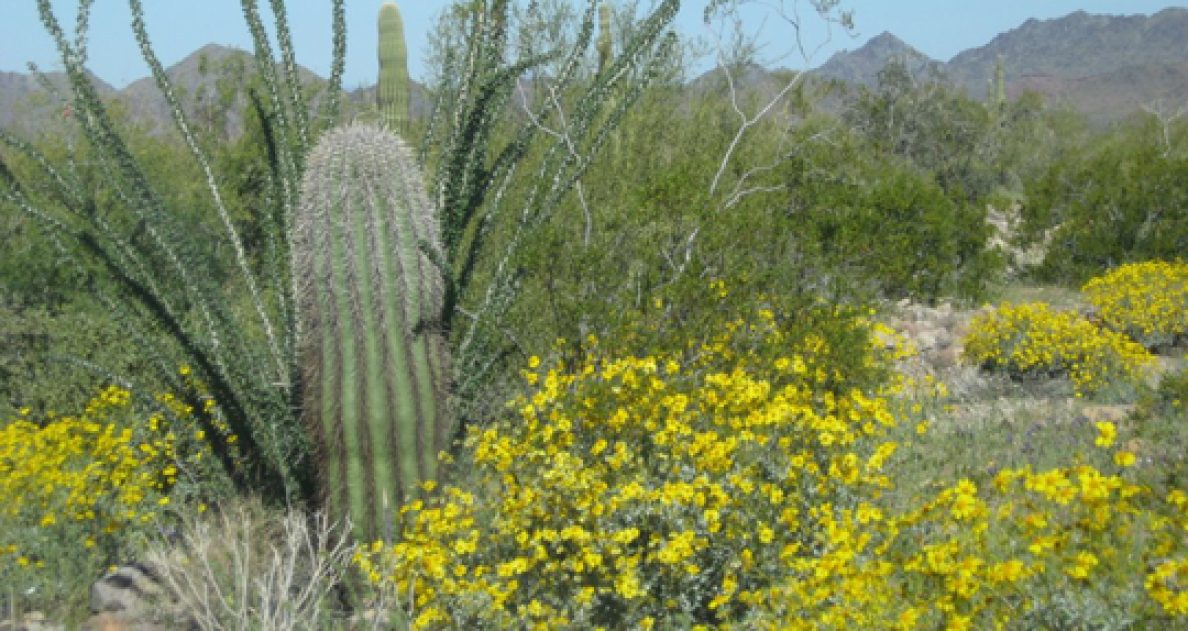
tradescantia flowersYou may be one of the growing numbers of home gardeners who have put shovel to soil in the effort to nourish themselves and their families with wholesome, organic, fresh, and ultimately local vegetables and fruits. It is empowering to know exactly where your food comes from. And, while gardening is perfect exercise…it can be a lot of work! What if you could grow food plants that all but took care of themselves? Or better yet simply harvest, with caution of course, from the wild.
Native produce? Yes! The plants I’m about to tell you about are all easy to cultivate within their home ranges and, once established, may not require any attention outside of harvest. There are many virtues of raising locally native plants, such as decreased use of water, fertilizers, and pesticides, and promoting regional identity, and providing for wildlife. But those aren’t my main…

View original post 1,008 more words

HSA Webinar: Virtues of Violets

The Herb Society of America's avatarThe Herb Society of America Blog

by Jen Munson, Education Chair

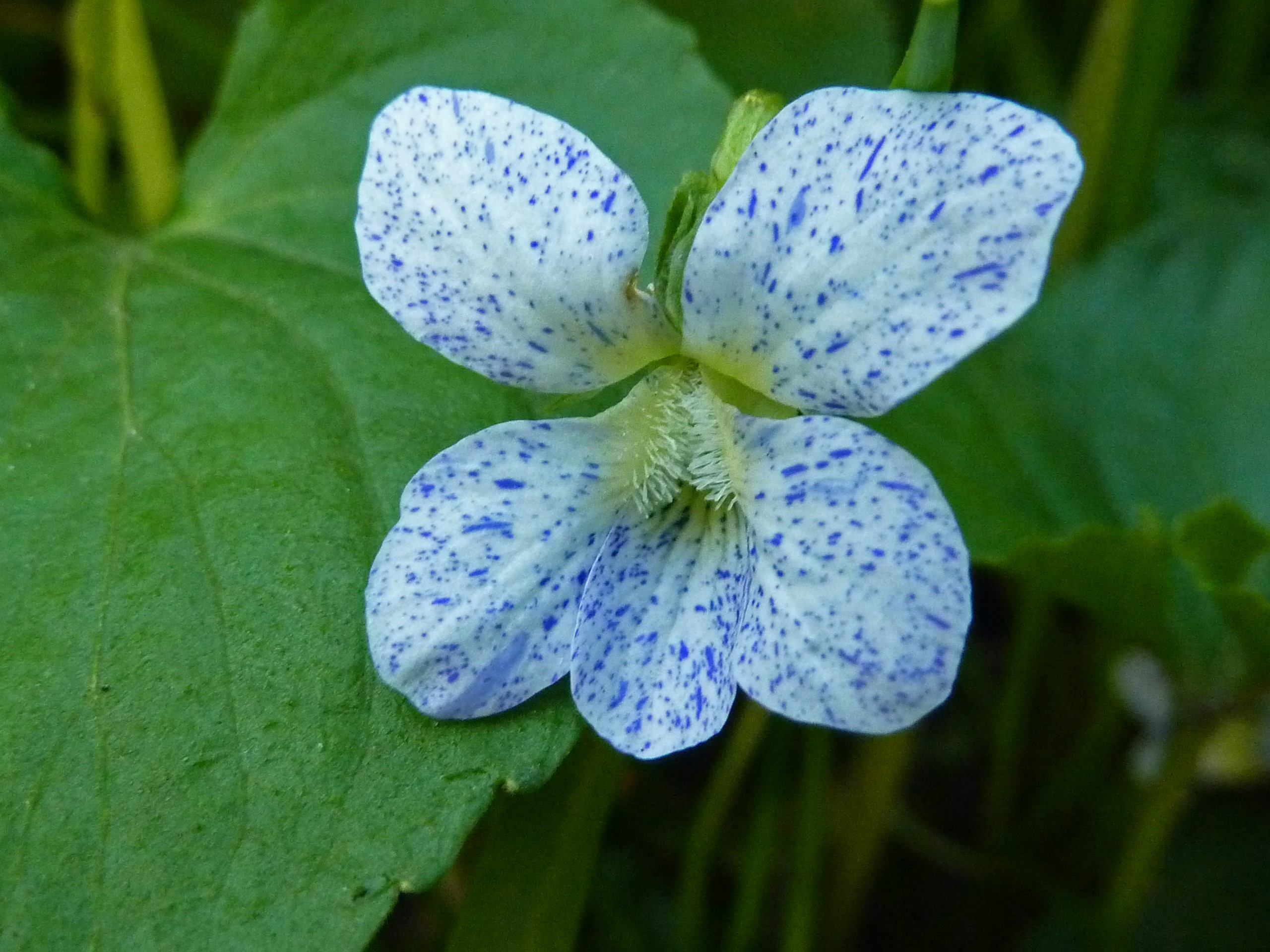
Viola_sororia__Freckles__2010A common harbinger of spring is the showy dandelion with its bright yellow flower that pops against newly greening lawns. With dandelion sightings, so the debate begins between those who want the perfectly manicured lawn and environmentalists who see dandelions as an early food source for pollinators and beneficials. The dazzling dandelion outshines another harbinger of spring, and that is the less-assuming violet. 

Join HSA onMarch 23rd at 1pm EDT for the “Virtues of Violets. For guest speaker, Katherine Schlosser, the arrival of violets is one of the happiest times in her garden. While her neighbors are out spraying herbicides on their lawns, you can find her swooning over the tiny botanical treasures, harboring in the joy and knowledge that these plants chose to be present in her yard.

Kathy 2-page-001Little do many of us realize that violets have been sought…

View original post 305 more words

Cheesy Dandelion Spirals: Serpentine Spring Magic — Gather Victoria

Note: This recipe was originally shared on Gather Victoria on Patreon. It was originally a recipe for Imbolc but for reasons that will soon become apparent- I thought I’d share it here for St. Patricks Day! St. Patrick was said to have driven all of the snakes out of Ireland – which is odd. While…

Cheesy Dandelion Spirals: Serpentine Spring Magic — Gather Victoria

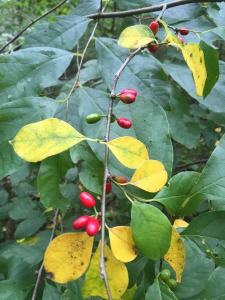
Sacred Trees in the Americas: Spicebush (Lindera Benzoin) Magic, Ecology, and Sacred Uses

Dana's avatarThe Druid's Garden

Spicebush leaf and berry in August in Western Pennsylvania

As I continue to explore some of the most important understory trees in the US East Coast and Midwest region, we turn our attention today to the amazing Spicebush (Lindera Benzoin).  Historically, Spicebush was an incredibly important plant, medicine, and spice both to Native Americans and early white settlers in the US and yet today has largely been forgotten in history. Spicebush is a native understory tree with a large range in North America, spanning from Maine to Florida and all the way across the south and Midwest to Texas and up to Ontario. While I’ve taught this plant routinely on my plant walks, and what amazes me is that nobody can even identify it, much less recognize how it might be used. Spicebush has an incredible flavor, medicinal value, and offers much in the way of magic and mystery. It…

View original post 1,877 more words

Exploring Vanilla in the Rainforest and in the Kitchen: Part II

The Herb Society of America's avatarThe Herb Society of America Blog

By Susan Belsinger

(Adapted from her article, “Exploring Rainforest Spices at Villa Vanilla,” featured in the 2019 issue of The Herbarist, the annual journal of The Herb Society of America.)

“Plain vanilla is very much like that little black cocktail dress—always welcome, simply chic, so quietly dramatic.”

                —Lisa Yockelson, from Baking by Flavor

Vanilla in the Kitchen

P1110888Although I am a chocolate lover, I have always adored the fragrance of vanilla. More than once as a child, I tasted vanilla extract straight from the bottle—knowing full well that I wouldn’t like it—I just could not resist, because it always smelled so good.   

Back in my early adult years—and the beginning of my lifetime association with natural foods, herbs, and spices—I used vanilla beyond the kitchen. I found the aroma alluring, so why not use it like perfume? I…

View original post 2,723 more words