
US Lavender Growers Association –

Crooked Bear Creek Organic Herbs's avatarGood Witches Homestead


Network with other lavender growers from around the world, learn from expert growers and business leaders in the industry, and access a wealth of resources for your business. New growers will appreciate our intensive, two-part “Start a Farm” series, while more experienced growers will benefit from a wide range of topics on production and business. Through the virtual platform, we will be able to provide networking in small groups, topical discussion opportunities, and a unique Exhibitor Hall experience that will allow you to truly assess the resources available to your farm and your business.

Lavender farms, shops, and festivals are popping up all over the country, and so are legions of lavender lovers. The United States Lavender Growers Association (USLGA) is offering enthusiasts the opportunity to indulge in an inspiring and fun day to discover all about lavender. You’ll be able to “tour” scenic lavender fields, gardens, and shops…

View original post 854 more words
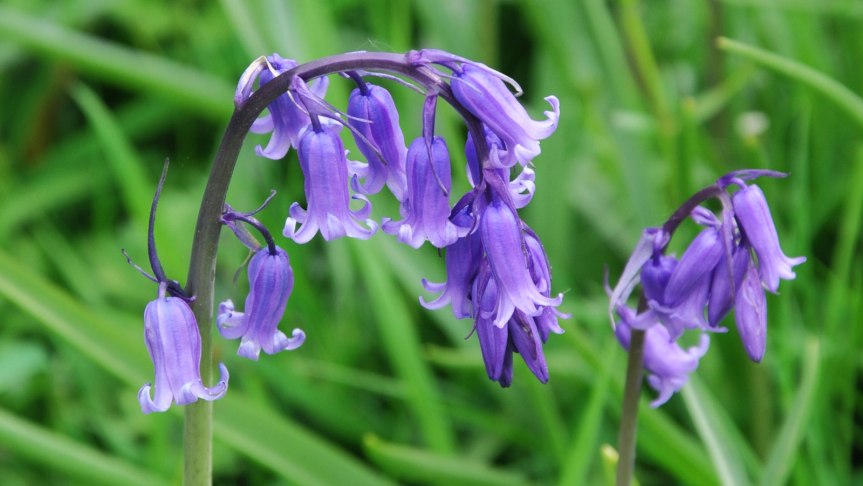
Spring Flowers, Magical Bluebells.

Crooked Bear Creek Organic Herbs's avatarGood Witches Homestead

To Elizabethans, bluebells were enchanted, and heaven forbid you hear their bell-shaped heads ring, for death would likely follow. Links with folklore were still prevalent more than three centuries later, as borne out by Cicely Mary Barker’s depictions ofFlower Fairies(the first book in the series was published in 1923) and her assertion that the bluebell be ‘the peerless Woodland King’.

Deep blue H.non-scripta, a perennial bulb, flourishes in humus-rich soils, and on limestone ridges. Young shoots push their way up through leaf litter to allow their flowers to open in the dappled shade of trees such as beech and oak.

The bluebell is a natural indicator that helps us to identify ancient woodlands, where it has grown for hundreds of years. Rich in pollen and nectar, it is also a vital food source for many native insects, including its main pollinator, the bumblebee.

Believed to call…

View original post 409 more words

Heartsease–Herb of the Month

The Herb Society of America's avatarThe Herb Society of America Blog

A Tiny Herb Worth Knowing

by Maryann Readal

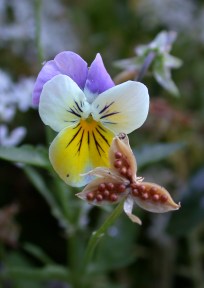
Heartsease, Viola tricolor, also called Johnny-jump-up, is The Herb Society of America’s Herb of the Month for March. It is the perfect time to learn about this delicate little woodland herb that will be popping out of the warming earth very soon. You may know V. tricolor by one of its many other names. There are dozens of names for it including wild pansy, hearts delight, come-and-cuddle-me, love-in-idleness, call-me-to-you, and kiss-me-at-the-garden-gate, etc.

Viola_tricolor_aggr Muriel Bendel. Wikimedia CommonsV. tricolor is in the violet family (Violaceae). The flowers can be purple, yellow, or white but are most commonly all three colors. The herb is native to Europe and Eurasia and was thought to be brought to the United States by colonists. It can be an annual, biennial, or a short-lived perennial. It will reseed itself and thrives in cooler weather.
This unassuming little herb is rich…

View original post 926 more words

Frost Flowers

The Herb Society of America's avatarThe Herb Society of America Blog

By Katherine Schlosser

There is something peaceful about a frosty pre-dawn morning. On the morning that I wrote this, I waited at the front door for our latest grand-dog to arrive. We keep him during the day while our daughter and son-in-law work, he providing as much company for us as we do for him. The sky was just turning a rosy pink near the horizon, but overall it was cold and cloudy.

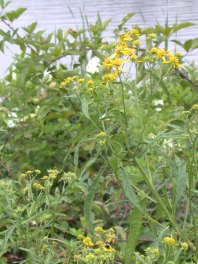
Verbesina alternifolia Wingstem Strawberry Rd by Kathy SchlosserShivering as I stood looking out the door, a glimpse of white caught my eye.  My first thought was squirrels had again torn open the chairs on the deck, ripping out stuffing to line their nests. Walking down the steps to retrieve the wisps of cotton, I realized these are FROST FLOWERS!!
These fleeting beauties look as though they are made of cotton candy and are not flowers at all. They are found on those days when…

View original post 415 more words

Natural Perfumery Course

Crooked Bear Creek Organic Herbs's avatarGood Witches Homestead

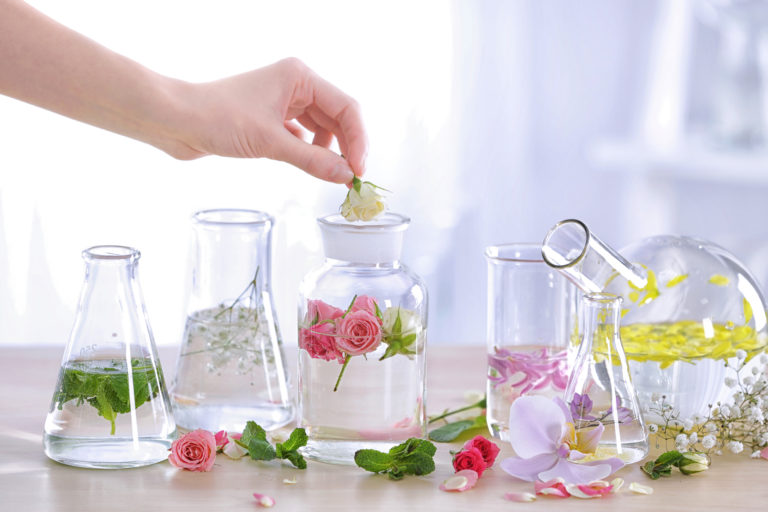
Blending your own botanical perfume is a delightful, time-tested way to infuse both your home and your body with the plants you connect with most. A true breath of fresh air, the Natural Perfumery Course will empower you to form a new type of relationship with plants—a relationship that lets the plants speak for themselves with woodsy whispers, herbaceous harmonies, and smoky secrets. As the conductor of this olfactory orchestra, you will blend, infuse, tinker, and spritz your way to custom scent combinations for you, your herbal product line, and everyone on your gift list.

The Natural Perfumery Course includes all the information you need to start blending your own botanical perfumes at home today, including over 20 recipes, a special collection of perfumery plant monographs, simple rituals for incorporating them into your lifestyle, expert guidance, and beautifully illustrated downloads for safety, sustainability, techniques, and more. 


Follow your nose and enroll in the Natural Perfumery Course by Herbal Academy

Choose to enroll in…

View original post 23 more words

Botanical Brews – An introductory guide to using tropical specialty ingredients in beer

The Herb Society of America's avatarThe Herb Society of America Blog

By Amanda Dix

(Blogmasters’ note: Experiencing craft beer is a high point for many connoisseurs these days. While beer in its various forms has been around for millennia, today’s brew-masters have taken beer to a whole new level by adding unique flavor combinations to their recipes. Capitalizing on that trend, many gardens and arboreta are incorporating special tasting events into their program repertoire that highlight the herbs that make each brew unique. Below are some of horticulturist and brewer Amanda Dix’s suggestions for upping your botanical beer game. Even if you don’t brew yourself, these might inspire you to try new things and understand how herbs are woven into this timeless beverage.)

Many culinary dishes and beverages are abundant with tropical herbs, spices, and fruit. Beer is no exception, and using unique ingredients alongside barley, hops, and yeast is very common these days.

When formulating a beer recipe, be sure…

View original post 510 more words

Primrose is Considered the Flower of February.

Crooked Bear Creek Organic Herbs's avatarGood Witches Homestead

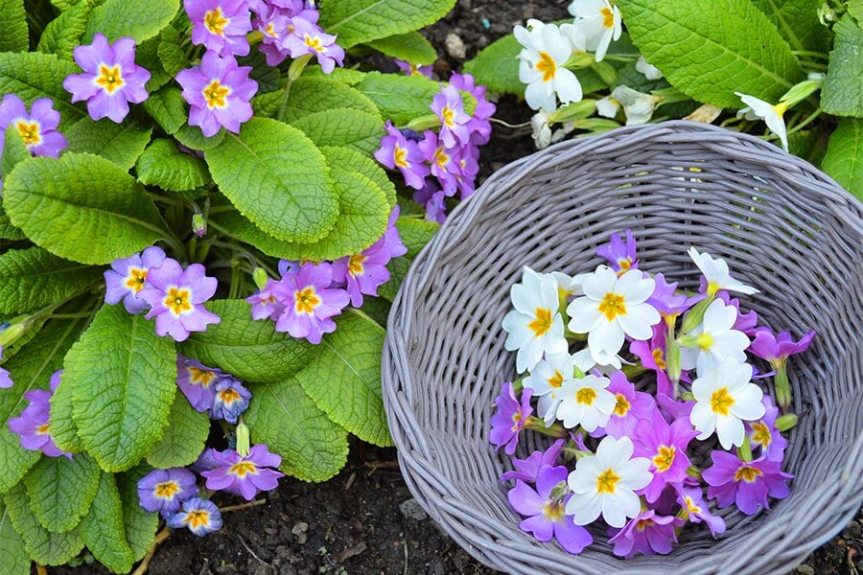
COMMON NAME:  primrose
GENUS:  Primula
SPECIES, HYBRIDS, CULTIVARS:
P. denticulata-lavender, purple, or white flowers; grows to 12 inches. P. japonica ‘Millar Crimson’-flowers whorled around the 24-inch stem; blooms May-June. P. polyanthus-best known; colors are red, pink, blue, gold, and white, all with small yellow eyes.
FAMILY:  Primulaceae
BLOOMS:  spring
TYPE:  perennial
DESCRIPTION:  Primroses form an attractive rosette of crinkly, light green leaves. The flowers are generally brightly colored and occur in tight bundles on individual stems above the leaves.
CULTIVATION:  Needing partial shade, primroses thrive in well-drained, rich soil. They are indigenous to cool, moist meadows and woodland environments  Duplicating these conditions as closely as possible will create the best growing conditions for primroses. The soil should not be allowed to dry completely. To retain vigorously blooming plants, divide clumps every four to five years. Seeds should be sown in midsummer for bloom the following spring.

Primrose is…

View original post 2,309 more words

Growing Edible Flowers in Your Garden

Crooked Bear Creek Organic Herbs's avatarGood Witches Homestead

While gardeners love flowers for their beauty outdoors in the garden and indoors in a vase, few raise them to eat. That’s a shame because many flowers are edible and bring lively flavors, colors, and textures to salads, soups, casseroles, and other dishes. Eating flowers is not as exotic as it sounds. The use of flowers as a food dates back to the Stone Age with archeological evidence that early man ate flowers such as roses.

Of course, flowers have been used to make teas for centuries, but flower buds and petals also have been used from China to Morocco to Ecuador in soups, pies, and stir-fries. Rose flowers, dried day lily buds, and chrysanthemum petals are a few of the flowers that our ancestors used in cooking. In fact, many of the flowers we grow today were originally chosen for the garden based upon their attributes of aroma and flavor, not…

View original post 1,520 more words

June Flower, The Rose.

Crooked Bear Creek Organic Herbs's avatarCrooked Bear Creek Organic Herbs

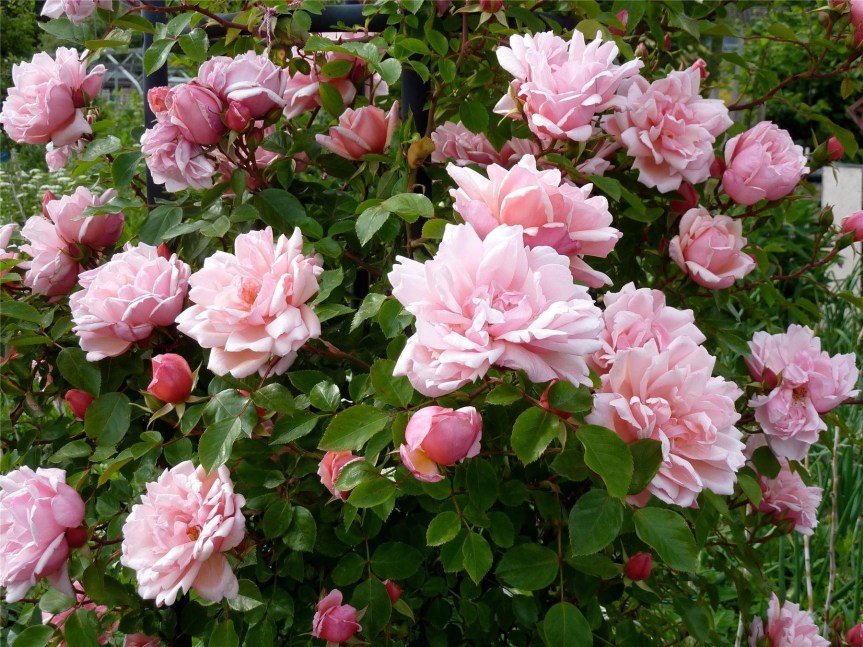
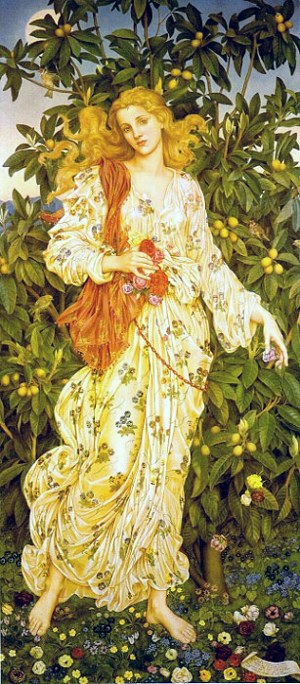
Chloris, the Greek Goddess of flowers, crowned the rose queen of all flowers, a title that the rose deserves today as much as it did in the Golden Age of Greece. Not only is the rose of unparalleled beauty, but it has also proved itself to be useful in a hundred different ways. It has been prized for its medicinal value, cherished for its sweet scent, and appreciated for its delicate flavor.

chloris greek goddess

The legend of the origin of the rose is from the days of the Roman Empire. The story is told of Rhodanthe, a woman of such exquisite beauty that she had many, many suitors. She showed little interest in any of them and sought refuge in the “Temple of Diana.” Her suitors were persistent, however, and followed her there, breaking down the gates to get close to her. Diana became incensed at this and turned Rhodanthe into a…

View original post 890 more words

Celebrate Calendula Flowers

Crooked Bear Creek Organic Herbs's avatarCrooked Bear Creek Organic Herbs

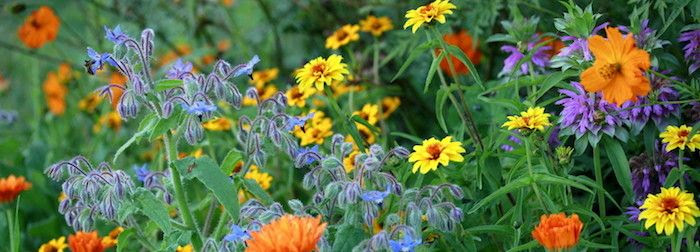
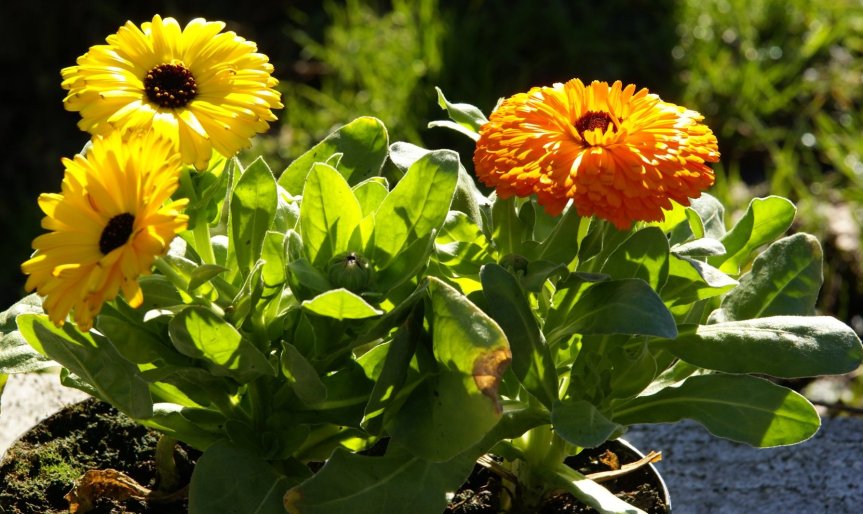
Calendula flowers have a sunny disposition in the garden. Use its golden petals in the kitchen and be sure to keep it well-stocked in the medicine cabinet for an array of medicinal uses, including soothing ointments and astringent tinctures.

Since antiquity, calendula flowers, or pot marigold, have been used in infusions for many maladies.

Since antiquity, calendula (also known as pot marigold) flowers have been used in infusions for many maladies. The Egyptians used the petals to heal wounds. In the Middle Ages, calendula was used for indigestion and healing bruises and burns. In World War I, the herb was used on the injured to prevent inflammation and infection. According to Annie Burnham Carter, author of In An Herb Garden (1947), “In England during that war, Miss Gertrude Jekyll gave a field on her estate for the exclusive cultivation of pot marigolds . . . the flowers which bloomed there…

View original post 1,743 more words