Tag: cooking
Dandelion, A Common Garden Herb
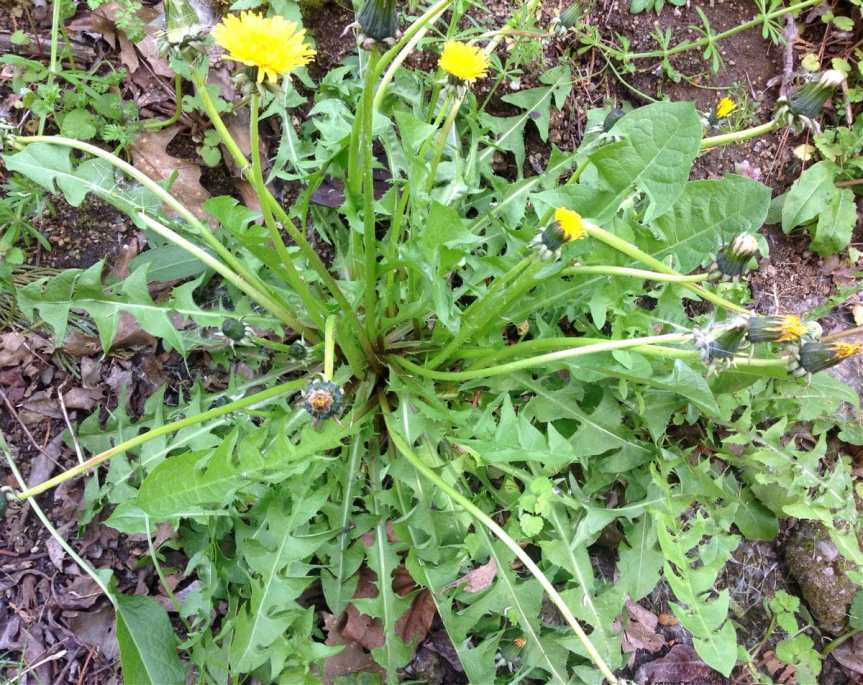
I make a wilted dandelion greens dish that’s fantastic after a long winter. Get the leaves young for eating. The older leaves are bitter.

Taraxacum officinale
Also, Known As:
- Blow Ball
- Cankerwort
- Dandelion
- Lion’s Tooth
- Pissabed
- Priest’s-crown
- Puff Ball
- Pu Gong Ying
- Pu-kung-ying
- Swine Snout
- Telltime
- White Endive
- Wild Endive
The dandelion is a common garden herb, with easily recognized flowers. During the spring season, the leaves and the root of the dandelion begin to produce mannitol, which is a substance utilized in the treatment of conditions such as hypertension and a weakened heart in continental Europe – where it is often prescribed by herbalist for patients with these conditions. A herbal dandelion tea made using the roots and the leaves of the herb are good to take from about the mid of March to about mid-May in the treatment of such conditions. Prepare the herbal dandelion tea in this way, first, boil a quart of water in a pot, slowly reduce the heat and then add 2 tbsp. of cleaned and chopped fresh…
View original post 2,664 more words
That Funny Little Spring Weed: Lamb’s Quarter
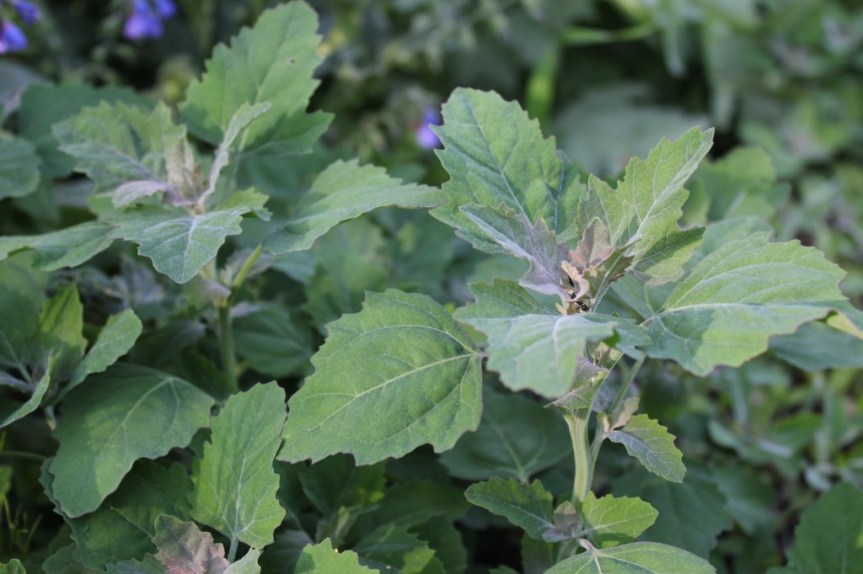
Lambs quarter is one of the most common weeds in gardens, backyards, and fallow fields, following human habitation closely. If you add horse or cow manure to your garden you will have a steady supply of these tasty wild greens for most of spring and summer. Easy to recognize with its alternate, triangle-to-diamond shaped leaves which are coated on the underside with a whitish grey powdery meal resembling flour. This coating may sometimes possess a coppery-fuchsia sheen and is sold as a cultivar called “magenta spreen” in some garden catalogs. The coating is a natural part of the leaf and is fine to eat. Put a leaf under water and the meal will cause the water to bead up in a beautiful iridescent fashion. Lamb’s quarter grows to 3-5 feet and is a branching annual with a grooved stem which is often tinged with red, especially at the node, or…
View original post 805 more words
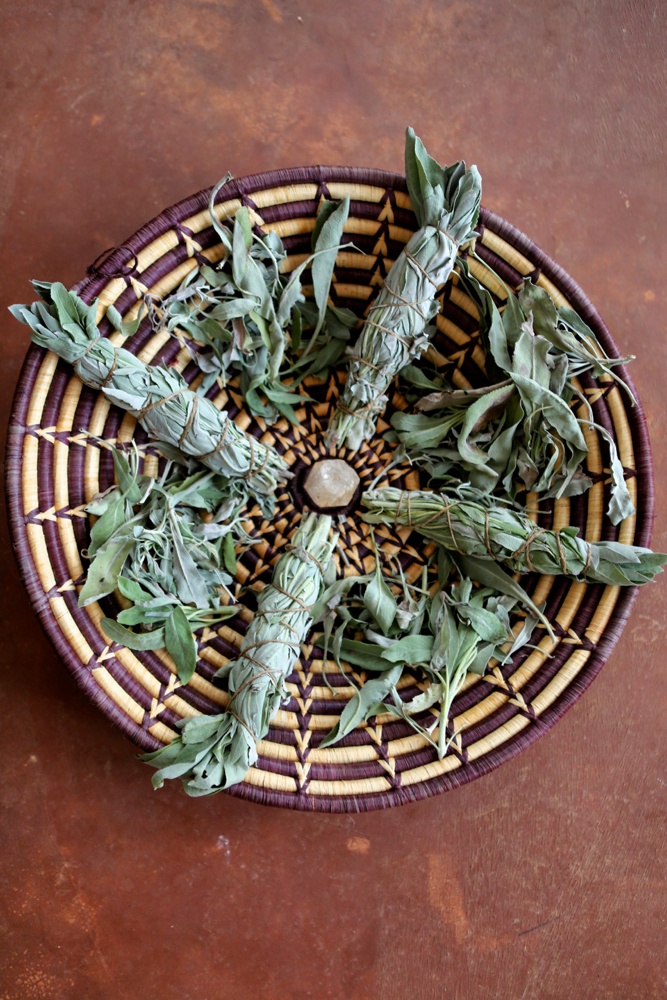
Plant Profile: White Sage {Salvia apiana}
Also, Known As:
- Bee Sage
- Sacred Sage
- White Ceremonial Sage
- White Sage
Salvia apiana or white sage is a perennially growing evergreen shrub that is indigenous to the southwestern regions of the United States and the adjoining north-western areas of Mexico. This herb is mostly found growing in the wild in the scrub habitat in the coastal regions of Baja California and Southern California, located on the western peripheries of the Sonoran and Mojave deserts.
White sage possibly derives its name from its ashen evergreen leaves, which contain oils and resins. The leaves of white sage emit a potent aroma when they are rubbed. The white to light lavender hued blooms of this plant attract bees, and this is described in the plant’s specific name – apiana. White sage bears many flower stalks, which measure anything between 1 meter and 1.3 meters (3.3 feet to 4.3 feet) in height. Occasionally…
View original post 1,711 more words
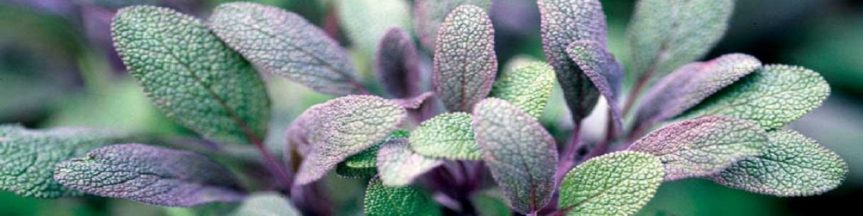
Plant Profile: Sage
Salvia officinalis
Also, Known As:
- Common Sage
- Dalmatian Sage
- Garden Sage
- Meadow Sage
- Red Sage
- Sage
- Scarlet Sage
- True Sage
Considered all across the world as a valuable culinary spice, and cultivated everywhere, the sage is a perennial shrub that grows best in its wild state in Europe and in the Mediterranean areas of the world. The plant consists of a strongly branched root system, which produces square and finely hairy sterns. These are woody at the base and bear oblong leaves. The floral leaves of the sage are ovate to ovate-lanceolate. The flowers of the sage are small and two-lipped and they grow in whorls. The flowers are blue, purple or white in color.
The versatile sage can be used for bringing in quick relief from a variety of ailments, both minor and major. For example, to gain immediate relief from itching and swelling accompanying insect bites, a few fresh…
View original post 2,994 more words
Parsley, Sage, Rosemary and Thyme
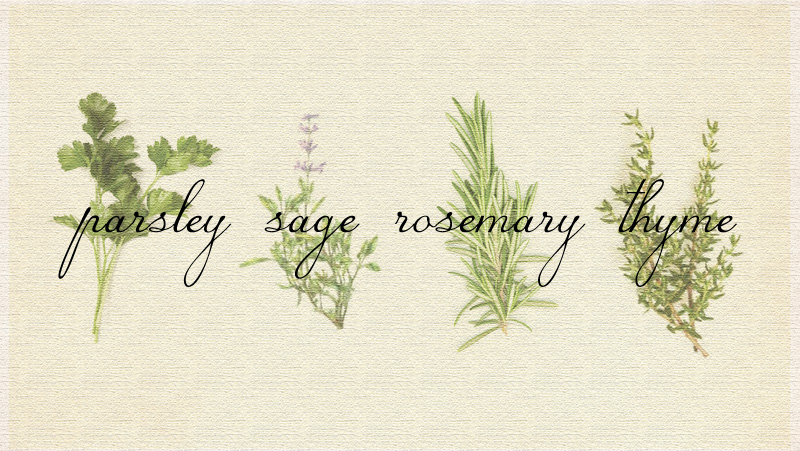
If you’re old enough to count among the Baby Boomer generation, you certainly remember the sensation caused by the release of Simon and Garfunkel’s hit song, “Scarborough Fair,” with its haunting refrain, “Parsley, Sage, Rosemary and Thyme.” Most people who bought the album (yes, it was an album, not an MP3 back then) didn’t really think about the properties of the herbal list as they sang along, and it’s doubtful that Simon and Garfunkel had anything prescriptive in mind, but in fact, they adopted the song from an old English ballad that some say is about the Great Plague in the Middle Ages. The fact is that parsley, sage, rosemary, and thyme were commonly used medicinally in earlier times and may have been used in an attempt to heal victims of the Plague. On the other hand, the four herbs were chief components in a love potion that witches concocted in…
View original post 1,118 more words
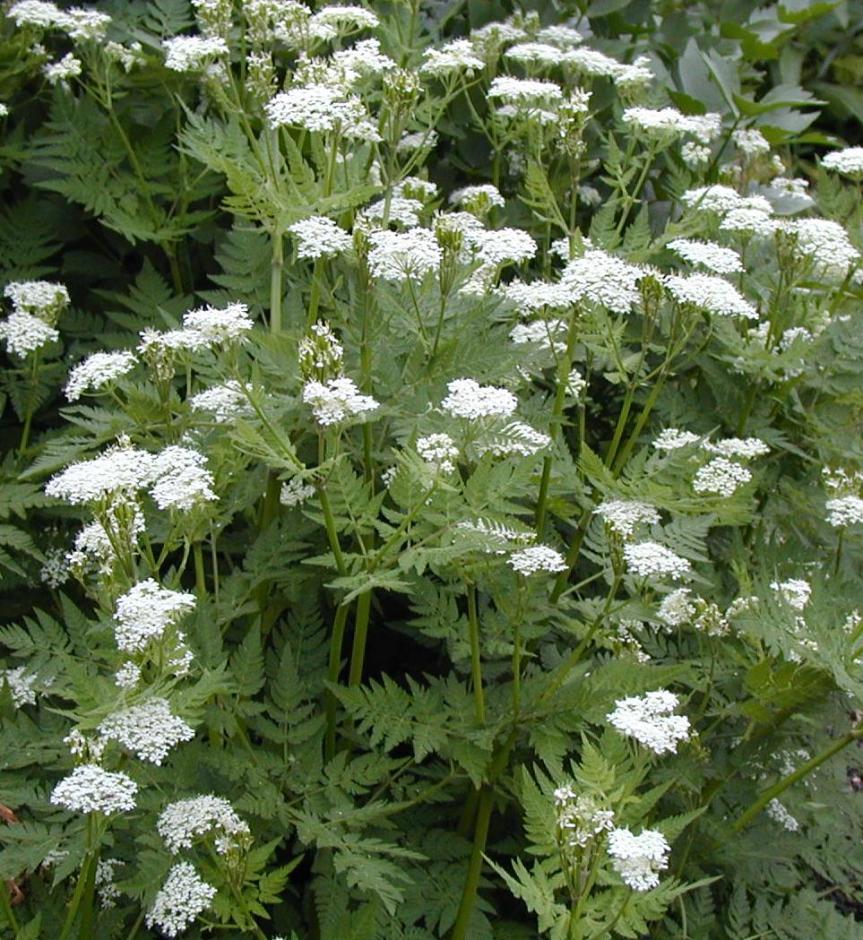
Spring Herb: Cicely {Myrrhis odorata}
Also, Known As:
- Anise Fern
- British Myrrh
- Cicely
- Cow Chervil
- Garden Myrrh
- Shepherd’s Needle
- Smooth Cicely
- Sweet Bracken
- Sweet Chervil
- Sweet Cicely
- Sweet Myrrh
The plant called the sweet cicely is a hardy and robust herb. The cicely is an aromatic perennial herb indigenous to the mountainous areas of Europe and Asian Russia – growing originally only in these regions. The cicely when fully mature can reach 0.6 to 0.9 m or 2 to 3 feet in height. Sweet cicely is one of the first herbs that come up when spring arrives; the sweet cicely is a pretty plant and makes a beautiful backdrop to a perennial border in mountainous regions where it grows.
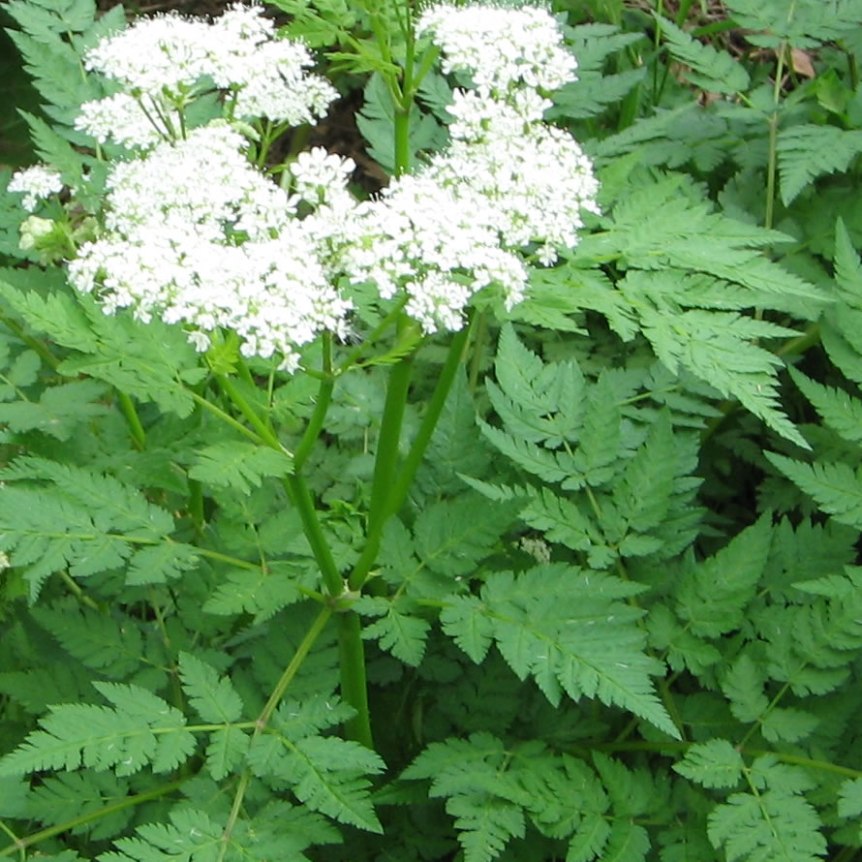 In older times, people would usually grow this old cottage garden perennial at a site near the door to the kitchen. The site would be chosen so that the pretty divided fern-like leaves could be easily accessed…
View original post 1,467 more words
Our ‘Go To’ Herb: Parsley
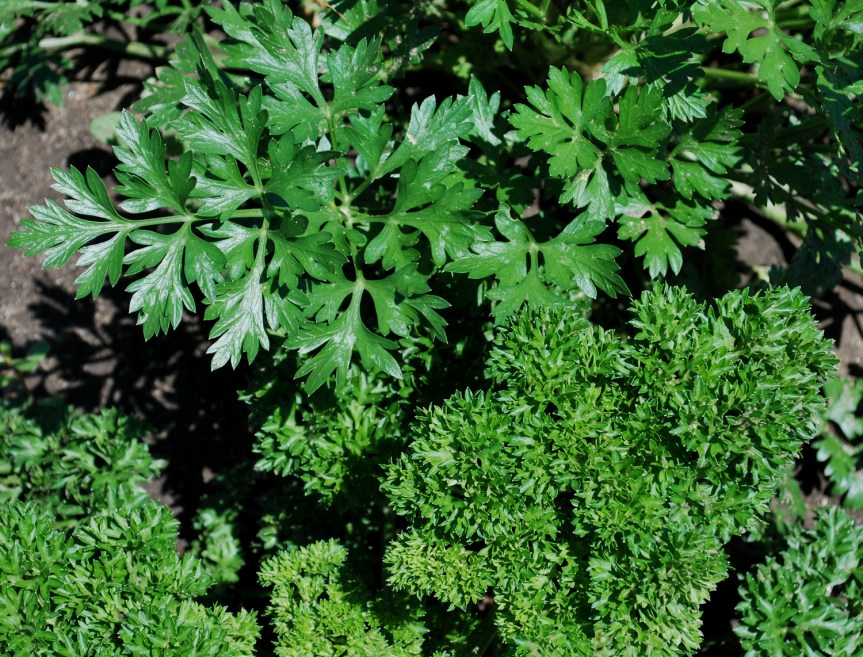
Petroselinum crispum
Also, Known As:
- Common Parsley
- Curly Parsley
- Flat-leaved Parsley
- Parsley
Parsley (botanical name Petroselinum crispum) belongs to the family Apiaceae and is among the most well-known herbs that are extensively used for garnishing of over 2,000 years, but it is hardly ever consumed. In addition, the leaves, fruits and the root of this herb have also been employed in traditional medicine for several centuries. Botanists have described the leaves of this herb as pinnate decompound, which denotes that they are divided and have an appearance slightly akin to feathers. As it is able to easily identify parsley by any individual who has eaten this herb anytime in any restaurant, however, there are a number of essentials regarding parsley. For instance, parsley is a biennial herb that is cultivated extensively. This herb produces small yellow flowers in clusters. The fruits of this herb, which are generally known as seeds…
View original post 2,980 more words
Our ‘Go To’ Herb: Basil
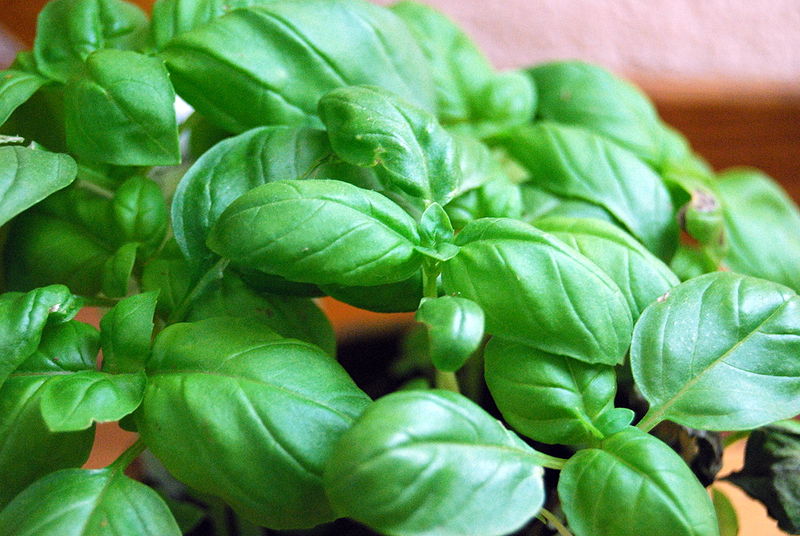
Ocimum basilicum
Also, Known As:
- Arjaka
- Basil
- Common Basil
- French Basil
- Garden Basil
- Luole
- Royal Herb
- St. Josephwort
- Sweet Basil
- Tulsi
The plant known as the basil is an annual herb, which is cultivated worldwide as a flavoring herb in many cuisines. The basil comes in many different varieties, each with its own unique chemical composition and characteristic flavor – the main use of the herb is culinary. The flavor and character of any particular variety of basil are affected to a great extent by many external environmental factors, including factors such as temperature, the type of soil, the geographic location, and even the amount of rainfall received by the individual plant. Morphologically the plant possesses thin branching root which grows out into bushy stems that can reach 1-2 feet in height when fully grown, the stem of the plant bears many leaves which have a characteristic purple hue or…
View original post 3,319 more words
Oregano Lore
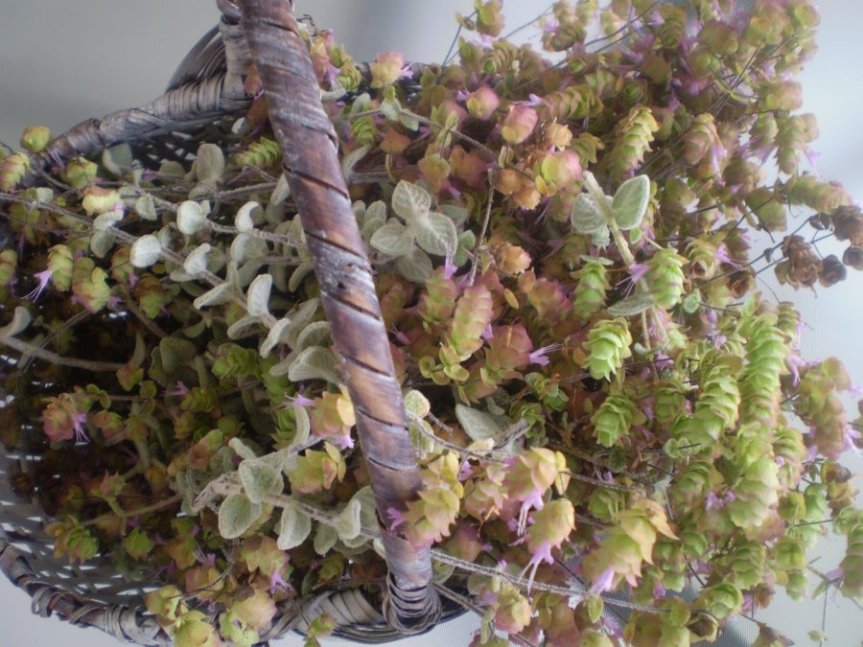
Oregano
Origanum spp.
Botanical Background:
Member of the mint family; 42 species native to the Mediterranean or Eurasia. Most found only wild, especially in Cyprus, southern Turkey, western Syria, and Lebanon.
Description:
Perennial or shrubby plants range in height from 2-3 inches to 3 feet or more. Aromatic leaves; small purple, pink or white flowers highly attractive to bees and butterflies.
Hardiness:
Common oregano {O. vulgare} and its subspecies and varieties are hardy to Zone 5 or 6. Sweet marjoram {O. majorana}, Turkish oregano {O. onites} and other tender species usually are grown as annuals.
Site:
Full sun; well-drained soil; neutral to alkaline pH.
Harvest Tips:
For use in cooking, cut branches back by half just before bloom.
Many oregano’s originate in the area around the eastern Mediterranean Sea. For maximum flavor when growing oregano, mimic the plant’s native conditions, such as the rocky…
View original post 1,460 more words
 Paths I Walk