Blue Flag: Wild Irisis

Crooked Bear Creek Organic Herbs's avatarCrooked Bear Creek Organic Herbs

Iris versicolor

Also, Known As:

  • Blue Flag
  • Blue Iris
  • Flag Lily
  • Fleur-de-lis
  • Flower-de-luce
  • Iris
  • Liver Lily
  • Poison Flag
  • Snake Lily
  • Water Flag
  • Wild Iris

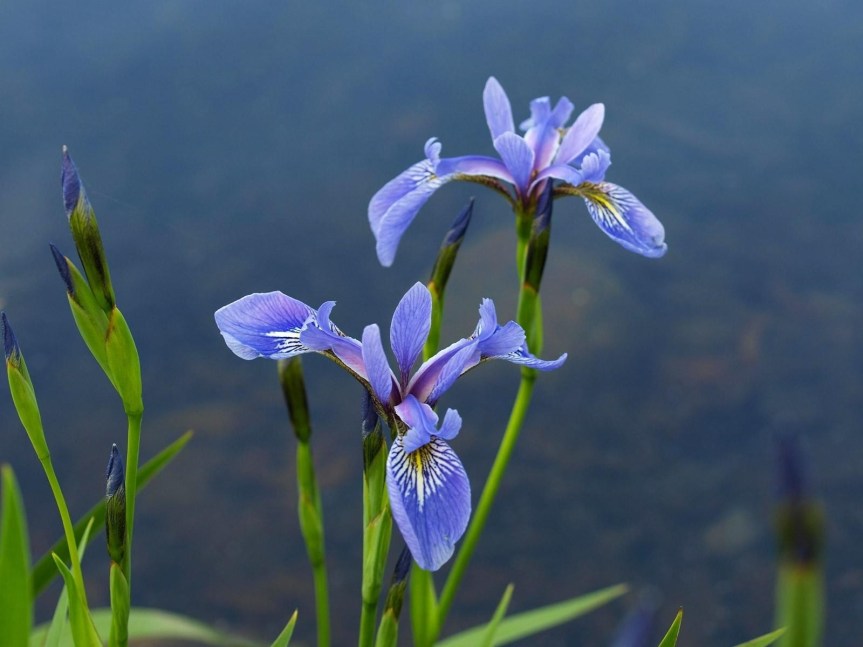
Blue flag (botanical name, Iris versicolor) is also known as wild iris and it prevails nearly all over the West. The appearance of the blue flag is similar to that of the common iris, having elongated lance-shaped leaves and decorated with a pale lavender or bluish-purple bloom just a bit lesser in size compared to the garden varieties. In effect, the blue flag is considered to be an affable plant which prefers to grow in clusters rather than growing in isolation. It is said that there is nothing more beautiful compared to walking across a complete meadow with a blue flag in bloom during the period between late June and early July.

The leaves of blue flag are slender, lance-shaped and have two levels of sword-shaped…

View original post 1,507 more words
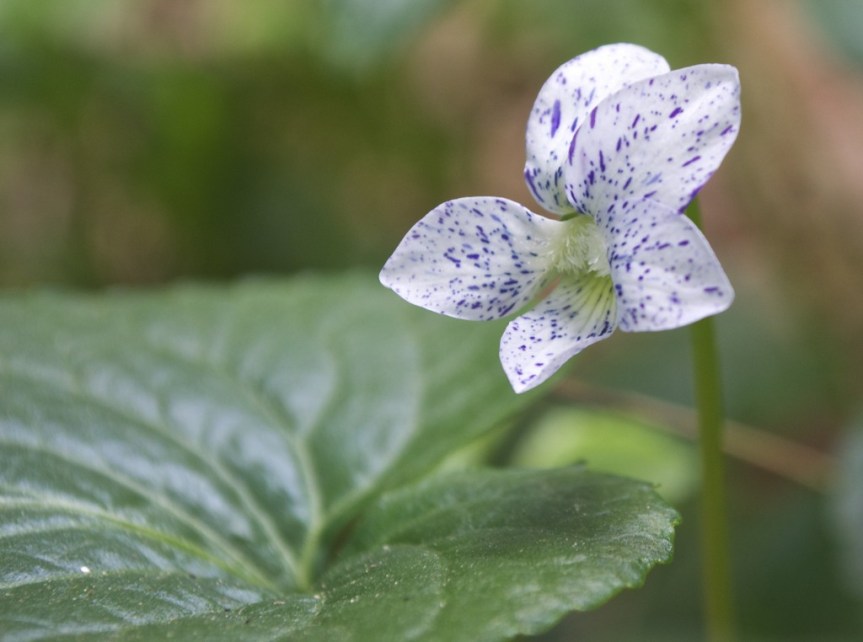
The Medicinal Properties and Health Benefits of Violets.

Crooked Bear Creek Organic Herbs's avatarGood Witches Homestead

Violets have been known throughout history as a healing herb. An example that was proven by research was that Viola odorata contains phenolic glycosides, flavonoids, saponins, alkaloids, mucilage, and tannins among other things. These compounds work in several ways to cure ailments.

Violets have been known throughout history as a healing herb. Hippocrates, in the ancient times, classified the violet as a “moist” plant, which is best used for treating liver disorders as well as bad tempers. In the 16th century, the English used syrups made from violets for their laxative properties. Violet remedies were also used for pleurisy, epilepsy, and jaundice. Culpepper, a 17th-century herbalist states that “All the violets are cold and moist while they are fresh and green, and are used to cool any heat or distemperature of the body.” He personally recommends the use of violet concoctions to treat various skin and eye disorders, as well…

View original post 1,641 more words

Rosemary Lore

Crooked Bear Creek Organic Herbs's avatarGood Witches Homestead

Rosmarinus officinalis

Also, Known As:

  • Compass Weed
  • Dew of the Sea
  • Garden Rosemary
  • Incensier
  • Mary’s Mantle
  • Mi-tieh-hsiang
  • Old Man
  • Polar Plant
  • Rosemary
  • Rosemary Plant

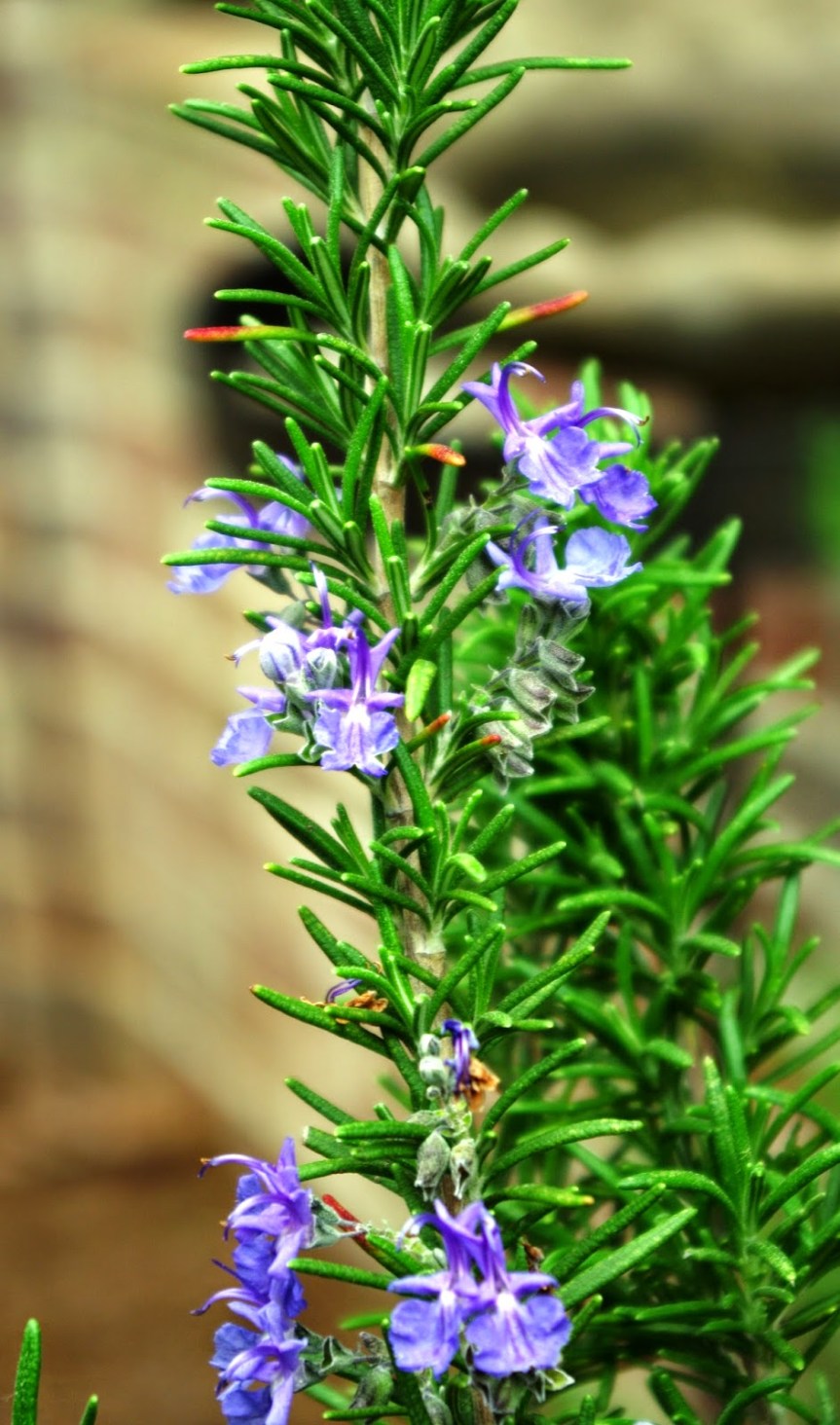
Rosmarinus officinalis L. (family Lamiaceae), is also known as rosemary. This herb is an evergreen shrub, with lovely aromatic linear leaves. Colored a dark shade of green above and white below, the leaves of the rosemary give off a beautiful fragrance, and with its small pale blue flowers, the plant is cultivated extensively in many kitchen gardens across America and elsewhere.

The evergreen shrub originated in the Mediterranean area, but it is today cultivated almost everywhere in the world, primarily for its aromatic leaves. The shrub has several ash colored branches, and the bark is rather scaly. The leaves, as described earlier, are opposite and leathery thick. They are lustrous and dark green above and downy white underneath, with a prominent vein in the middle and…

View original post 3,130 more words

Vetiver Lore

Crooked Bear Creek Organic Herbs's avatarGood Witches Homestead

Vetiveria zizanioides

Also, Known As:

  • Cuscus
  • Khas Khas
  • Vetiver
  • Vetivert

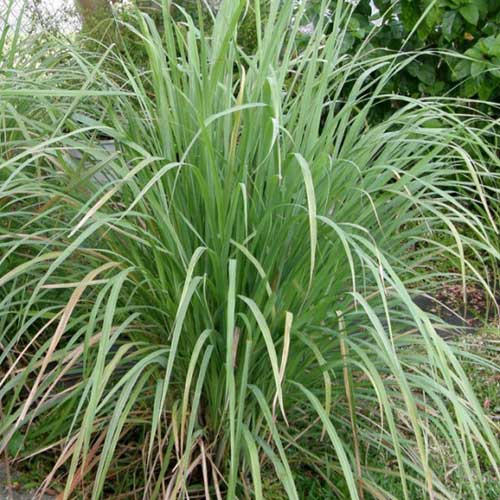
Vetiver (botanical name Vetiveria zizanioides) belongs to the grass family, which also includes sorghum, maize, sugarcane as well as lemongrass. This plant has had an irregular history, as it was given no less than 11 names in four dissimilar genera at one time. The generic name ‘Vitiveria’ is derived from the Tamil expression ‘vetiver’ denoting a ‘dug up root’, while the Swedish taxonomist Carolus Linnaeus gave the plant its specific name ‘zizanioides’, which is occasionally spelled wrongly, in 1771. The word ‘zizanioides’ refers to ‘beside the river’ and mirrors the fact that this plant is generally found growing the length of the water bodies, especially in India.

Belonging to the Poaceae family, vetiver is a perennially growing grass that is indigenous to India. It is also known as ‘khus’ in the northern and western regions of India. This grass has tall stems while the leaves are…

View original post 1,586 more words

Vervain Lore

Crooked Bear Creek Organic Herbs's avatarGood Witches Homestead

Verbena Officinalis

Also, Known As:

  • Herb-of-the-cross
  • Ma Bian Cao
  • Pigeon’s Grass
  • Verbena
  • Vervain

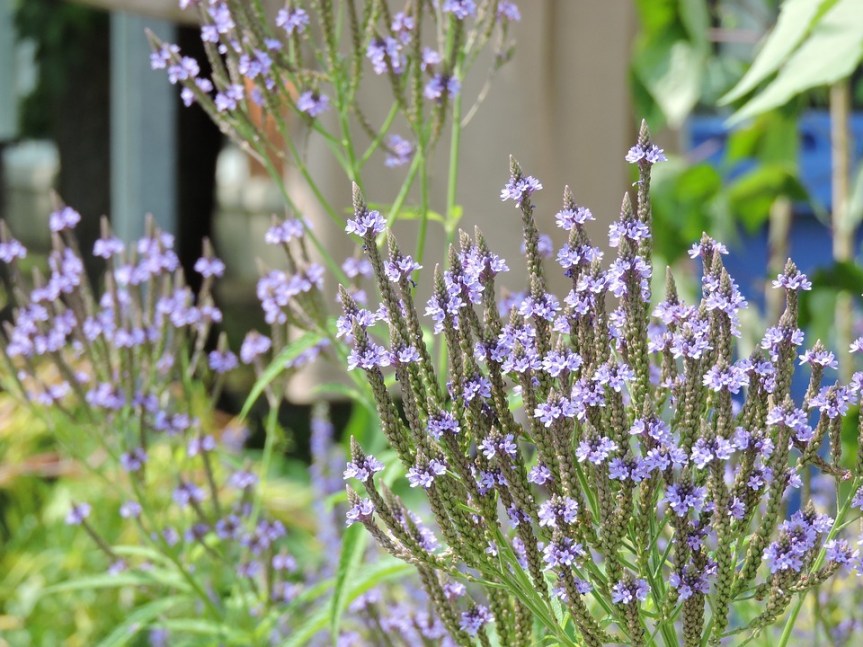
The ancient Romans held all species of the vervain in admiration and used the ‘sacred’ herb to sanitize their homes and temples. In addition, they knew several therapeutic advantages of the herb and used it to treat numerous disorders. Incidentally, despite its multi-purpose use, the vervain is a commonly growing herb that does not appear to be different from many other plants. In ancient times, remedies prepared with the herb were often used to cure snakebite and diarrhea. At the same time, the root of vervain was chewed by people with a view to strengthening their teeth and gums. Interestingly, the herb served to diverse purposes – a love potion for the medieval witches and a substance to cure people of the influence of the ominous spell cast by these witches. In fact, vervain also finds a…

View original post 1,225 more words

The Best Teas for IBS.

Crooked Bear Creek Organic Herbs's avatarCrooked Bear Creek Organic Herbs

Treating irritable bowel syndrome can include changing diet, reducing stress, and taking medication. Can certain herbs and herbal teas also help relieve symptoms?

Tea for IBS symptoms

There are many types of tea that may be beneficial for easing the symptoms of IBS. These include:

Peppermint

Peppermint tea may help with IBSPeppermint tea may help with the symptoms of IBS.

One review found that peppermint reduced the severity of pain for people with IBS compared to a placebo.

Peppermint is not recommended for use by people with hiatal hernias, gastroesophageal reflux disease, or gallbladder problems. Heartburn is not an uncommon side effect.

Peppermint essential oil has also been studied as a treatment for IBS. Essential oils are meant to be inhaled through a diffuser or applied to the skin only after being diluted by carrier oil.

People should always speak to a doctor or aromatherapist before considering taking an essential oil by mouth. An article in American Family Physician

View original post 819 more words

A Herbalist Library

Crooked Bear Creek Organic Herbs's avatarCrooked Bear Creek Organic Herbs

When you start on any new craft there are always go-to books. Beginner herbalists often find themselves curious about all the different ways to practice herbalism or ways to just dabble. Whether you’re interested in growing medicinal herbs, creating herbal medicine or becoming a herbal practitioner, there’s a book for you! Here are some staples that you can find.

Herbal Recipes for Vibrant Health by Rosemary Gladstar is one of our all-time favorite herbal books. This book gives simple herbal recipes that can be made at home and support your health through all phases of life.

The Herbal Medicine Maker’s Handbook by James Green is one of the best books around for aspiring herbal medicine makers. Whether you’re making tinctures from your garden or creating herbal wines and vinegar in the kitchen, he’s got a recipe for you. This book is more in-depth than most, but he thoroughly explains all the…

View original post 176 more words

Herbalist Library: Historical References

Crooked Bear Creek Organic Herbs's avatarGood Witches Homestead

Our ancestors cultivated a deep, rooted relationship with plants; they harvested plants in a ceremony, made herbal medicines with intention, and passed along traditional plant knowledge to help future generations maintain wellness. In many cultures, this information was shared orally, through stories or an apprenticeship with a local healer. The books we do have on traditional herbal medicines are a treasure to modern day herbalists; they’re a window into our survival as a species and often hold surprising tidbits on how we once used common plants. Below, please find some of our favorite inspirational books from western herbalists that focus on traditional plant remedies, as well as the rich history of herbalism.

A Modern Herbal, Volumes I & II by Sophia Emma Magdalene Grieve are some of the most well respected herbal books of the 20th century. Grieve is thought of as one of the first modern herbalists. During World War…

View original post 268 more words

Herb Lore: (Herbalism)

Crooked Bear Creek Organic Herbs's avatarGood Witches Homestead

Hippocrates – ” Let food be thy medicine and medicine be thy food”

For the purpose of this article, herbs are loosely referred to as the category of edible plants which can also be used for Medicinal, Spiritual or Magical purposes.

It seems that on every part of the globe where humans have lived, there has developed a body of herbal knowledge, something which has led to a special relationship developing between herbs and people. The foundation for this relationship is the fact that apart from herbs being acknowledged for their nutritional value, there has been a longstanding recognition that they also possess a variety of curative properties, being amongst the most important tools used by Shamen, Medicine men, Witch doctors, and healers, in general, the world over. Indeed, the World Health Organization (WHO) estimates that 80 percent of the population of some Asian and African countries presently use herbal…

View original post 5,352 more words

Hawthorn {Crataegus oxyacantha or Crataegus monogyna}

Crooked Bear Creek Organic Herbs's avatarCrooked Bear Creek Organic Herbs

Also, Known As:

  • English Hawthorn
  • Haw
  • Hawthorn
  • May
  • May Blossom
  • Maybush
  • May Tree
  • Quick-set
  • Shan-cha
  • Whitethorn

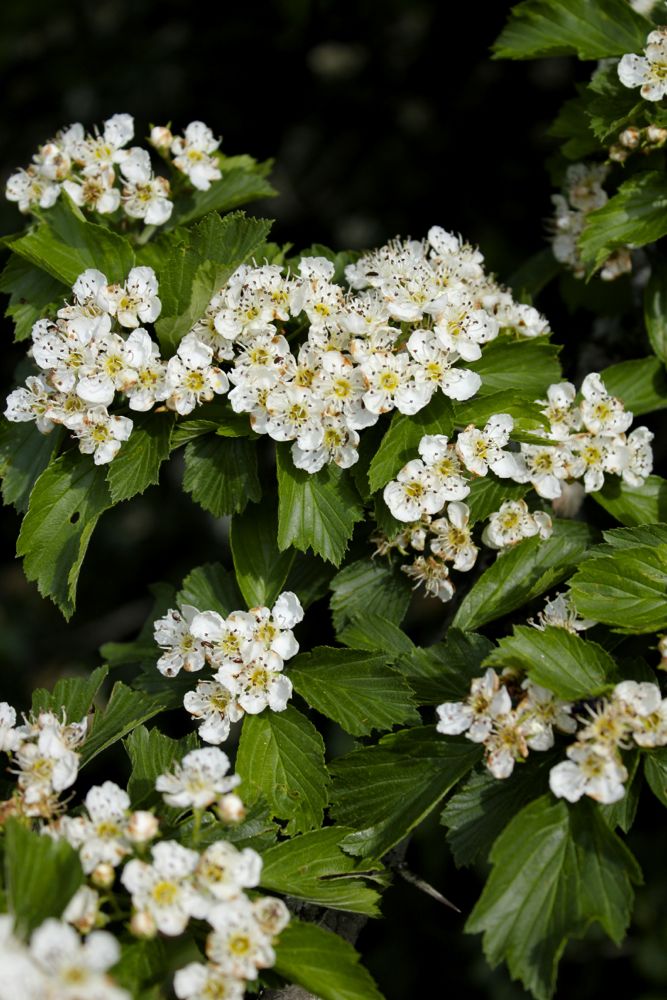
The herb called the hawthorn is one of the best herbal remedies to boost the performance of the heart and the human circulatory system in general. A potent vasodilatory action can be induced in the human body by the flowers, leaves and the berries of the hawthorn. When these parts of the herb are consumed, they open up the arteries to promote circulation and improve the blood supply to all the general tissues in the body. Regular supplementation with this herb can thus help bring some balance blood pressure and it is considered to be an excellent remedy for the treatment of high blood pressure – especially when the condition is connected to hardening in the arteries of the person. Problems such as those connected to poor circulation caused by aging arteries, problems of poor circulation towards the lower body and…

View original post 2,930 more words