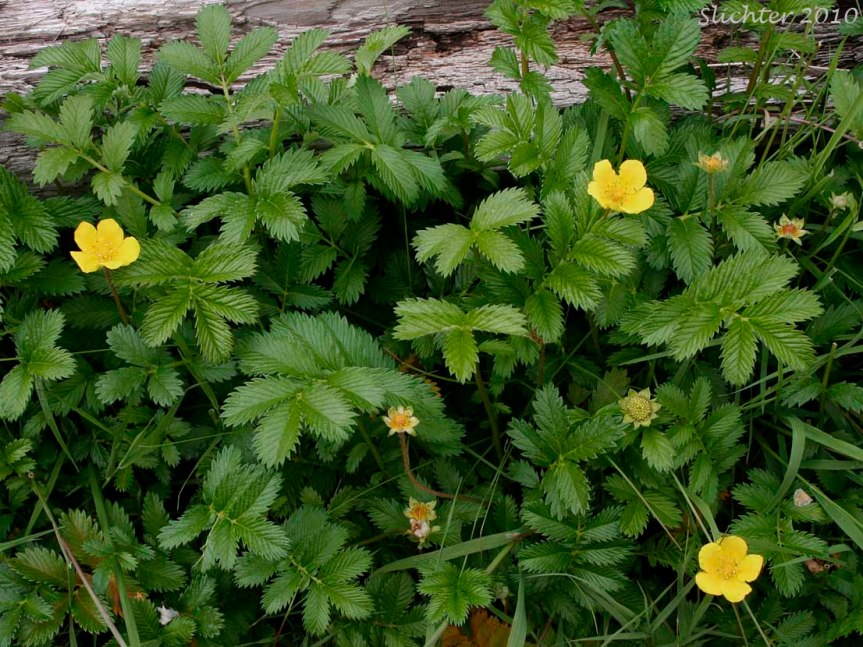
Those Medicinal Weeds: Silverweed {Potentilla anserina}

Crooked Bear Creek Organic Herbs's avatarCrooked Bear Creek Organic Herbs

Also, Known As:

  • Argentine
  • Cramp weed
  • Goosewort
  • Moon Grass
  • Silverweed
  • Wild Tansy

Silverweed (botanical name, Potentilla anserina) is a very short perennial herb that grows up to a height of 8 to 16 inches. This herb has runners that are about 3 to 6 feet in length linking new plants having tufts of leaves. Each tuft of leaves produces a solitary, vivid golden yellow flower with five petals between June and August. These flowers appear on top of leafless stalks measuring anything between 2 inches to 12 inches in length. Interestingly enough, flowers of silverweed, also known as goose plant, close at night time and in cloudy weather conditions.

The rootstock of silverweed is starchy and has served as a food for the Native Indians in North America, Eskimos and people inhabiting the northern regions of Europe for several years. They have been consuming the silverweed rootstock raw, boiled or…

View original post 1,356 more words

Those Medicinal Weeds: Plantain {Plantago major}

Crooked Bear Creek Organic Herbs's avatarCrooked Bear Creek Organic Herbs

Also, Known As:

  • Plantain
  • Ribwort
  • Snakeweed

When we talk about plantain, normally the image of a banana plantation conjures up in our mind. But the common plantain is a small wild plant with leaves that grow mostly from the plant’s bottom. It is found growing naturally in the lawns, gardens, backyards and along the roads throughout America. The plantain is a tough and perennial plant and similar to the dandelion (a weed with brilliant yellow flowers on unfilled stems bearing fluffy white seed heads) need to be pulled out along with the roots once it is securely set up in the yard. The leaves of the common plantain are generally ovate or egg-shaped and are found complete or jagged. The leaves are distinguished by their chunky and conduit foot-stalk. The flower stems of the common plantain grow up to a height of seven to twenty inches and are inclined with long and slim barbs of…

View original post 997 more words

Plant Profile: White Sage {Salvia apiana}

Crooked Bear Creek Organic Herbs's avatarCrooked Bear Creek Organic Herbs

Also, Known As:

  • Bee Sage
  • Sacred Sage
  • White Ceremonial Sage
  • White Sage

Salvia apiana or white sage is a perennially growing evergreen shrub that is indigenous to the southwestern regions of the United States and the adjoining north-western areas of Mexico. This herb is mostly found growing in the wild in the scrub habitat in the coastal regions of Baja California and Southern California, located on the western peripheries of the Sonoran and Mojave deserts.

White sage possibly derives its name from its ashen evergreen leaves, which contain oils and resins. The leaves of white sage emit a potent aroma when they are rubbed. The white to light lavender hued blooms of this plant attract bees, and this is described in the plant’s specific name – apiana. White sage bears many flower stalks, which measure anything between 1 meter and 1.3 meters (3.3 feet to 4.3 feet) in height. Occasionally…

View original post 1,711 more words

Plant Profile: Sage

Crooked Bear Creek Organic Herbs's avatarCrooked Bear Creek Organic Herbs

Salvia officinalis

Also, Known As:

  • Common Sage
  • Dalmatian Sage
  • Garden Sage
  • Meadow Sage
  • Red Sage
  • Sage
  • Scarlet Sage
  • True Sage

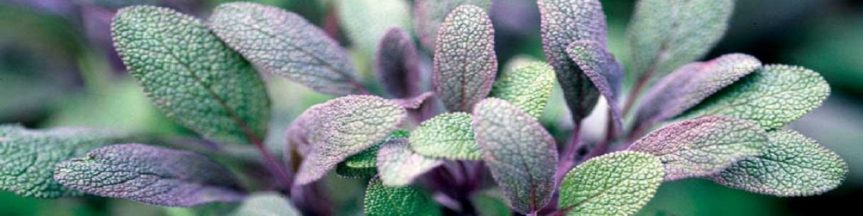
Considered all across the world as a valuable culinary spice, and cultivated everywhere, the sage is a perennial shrub that grows best in its wild state in Europe and in the Mediterranean areas of the world. The plant consists of a strongly branched root system, which produces square and finely hairy sterns. These are woody at the base and bear oblong leaves. The floral leaves of the sage are ovate to ovate-lanceolate. The flowers of the sage are small and two-lipped and they grow in whorls. The flowers are blue, purple or white in color.

The versatile sage can be used for bringing in quick relief from a variety of ailments, both minor and major. For example, to gain immediate relief from itching and swelling accompanying insect bites, a few fresh…

View original post 2,994 more words

Boost Your Juice With Herbs

Crooked Bear Creek Organic Herbs's avatarCrooked Bear Creek Organic Herbs

Have you ever cracked open a fresh aloe plant and watched it ooze a clear, sticky gel? This is one of the earth’s natural juices that can be scraped from the inner plant and used externally to soothe inflamed skin.* Humans have been juicing plants for hundreds of years, traditionally by mashing them or with simple tools like a mortar and pestle.

In the last hundred years, juicing has evolved from human hands to high-powered machines. We understand why juicing is so popular, as it is a quick and tasty way to get an abundance of nourishing fruits and veggies in daily. However, we don’t always agree with the new jargon surrounding this age-old practice. Often, juicing is touted as a way to “cleanse” the body and rid it of toxins. We believe in the many benefits of juicing, and we believe that our bodies are intelligent— not inherently flawed…

View original post 514 more words

Seven Safe, Effective Natural Antibiotics

Crooked Bear Creek Organic Herbs's avatarCrooked Bear Creek Organic Herbs

Certain natural substances have antibacterial properties, but which are safe to use, and when should a person use them?

Prescription antibiotics, such as penicillin, have helped people to recover from otherwise fatal diseases and conditions since the 1940s.

However, people are also turning to natural antibiotics for treatment.

According to the NHS, 1 in 10 people experiences side effects that harm the digestive system after taking antibiotics. Around 1 in 15 people are allergic to this type of medication.

In this article, we look at the evidence behind seven of the best natural antibiotics. We also discuss which to avoid, and when to see a doctor.

Seven best natural antibiotics

Garlic may be an effective treatment against bacteria.

The scientific jury is still out concerning natural antibiotics. While people have used remedies like these for hundreds of years, most treatments have not been thoroughly tested.

However, some show promising results under medical…

View original post 954 more words

Parsley, Sage, Rosemary and Thyme

Crooked Bear Creek Organic Herbs's avatarCrooked Bear Creek Organic Herbs

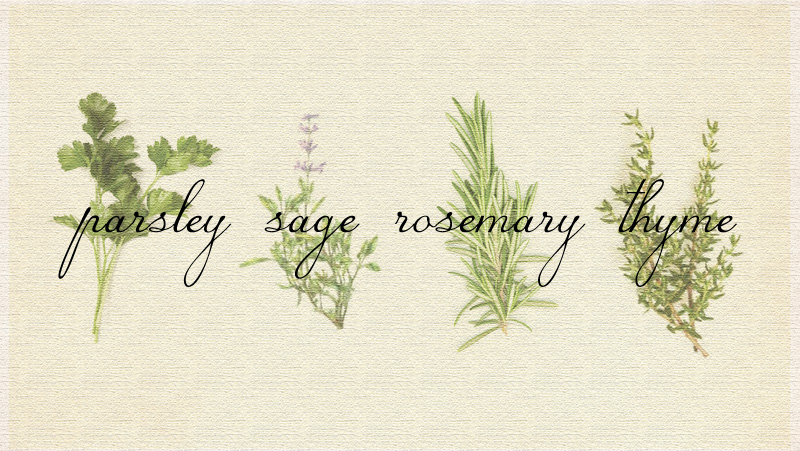
If you’re old enough to count among the Baby Boomer generation, you certainly remember the sensation caused by the release of Simon and Garfunkel’s hit song, “Scarborough Fair,” with its haunting refrain, “Parsley, Sage, Rosemary and Thyme.” Most people who bought the album (yes, it was an album, not an MP3 back then) didn’t really think about the properties of the herbal list as they sang along, and it’s doubtful that Simon and Garfunkel had anything prescriptive in mind, but in fact, they adopted the song from an old English ballad that some say is about the Great Plague in the Middle Ages. The fact is that parsley, sage, rosemary, and thyme were commonly used medicinally in earlier times and may have been used in an attempt to heal victims of the Plague. On the other hand, the four herbs were chief components in a love potion that witches concocted in…

View original post 1,118 more words

Our Beloved Oregon Grape

Crooked Bear Creek Organic Herbs's avatarCrooked Bear Creek Organic Herbs

Berberis aquifolium

Also, Known As:

  • Oregon Grape
  • Mountain Grape

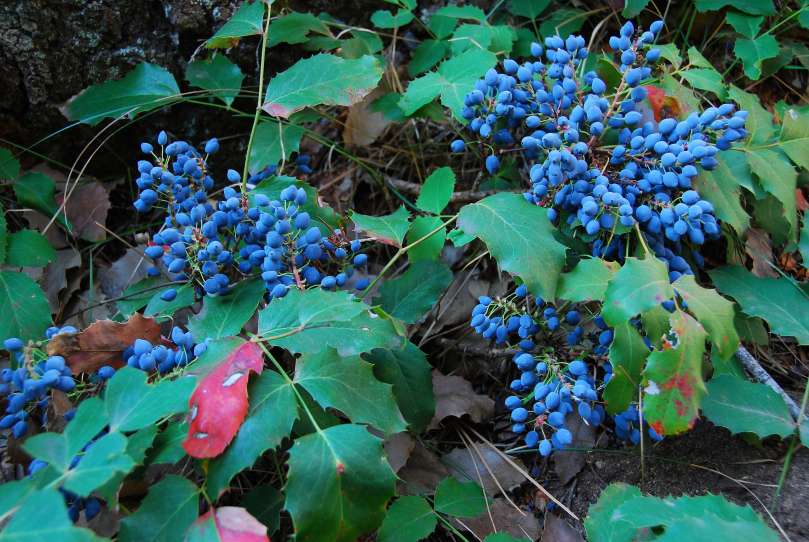
Not many people are aware of the interesting fact that the state flower of Oregon blooms on this beautiful shrub. Known for its attractiveness and its rapid growth, the Oregon grape is used medicinally, as well as for ornamental landscaping in several homes across the country. The leaves of the Oregon grape resemble those of holly; they are dark green, spiny and shiny, in almost the same way as the holly leaves are dark green and shiny. The flowers of this shrub are small and yellowish green in color, and the berries of the Oregon grape are a shade of dark purple-blue, especially when they ripen. They grow in small clusters, and in this, they resemble clusters or bunches of grapes. The Oregon grape shrub can grow to almost 6 feet in height, but in general, it grows about 3 –…

View original post 1,132 more words

Chickweed {Stellaria media}

Crooked Bear Creek Organic Herbs's avatarCrooked Bear Creek Organic Herbs

Also, Known As:

  • Adder’s Mouth
  • Chickweed
  • Indian Chickweed
  • Satinflower
  • Scarweed
  • Starweed
  • Starwort
  • Stitchwort
  • Tongue Grass
  • White Bird’s-eye
  • Winterweed

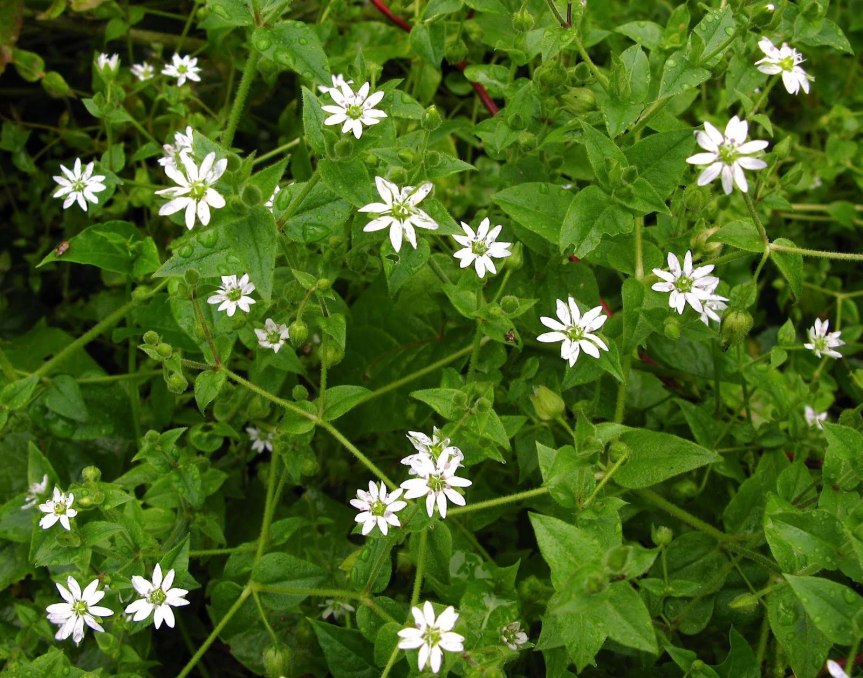
The plant known as the chickweed is a very fragile appearing herb; as a plant, it is actually a very lusty annual plant characterized by the presence of matted to straight green stems growing in profusion over vast areas of land. The chickweed is an extraordinarily hardy herb, and the normal growing starts during the fall season, it is very capable of enduring harsh sleet and severe snowstorms during the winter months, and has been found to be growing even in the far northern areas of the continent, the plant is so hardy that it has been known to be resistant to the majority of weed killers used in agriculture. The production of seeds is usually over by the spring, even though the plant itself is known to begin blooming even when…

View original post 1,978 more words

Elder (Sambucus Canadensis): Sacred Medicine, Magic, Mythology, and Uses of the Elder Tree

Dana's avatarThe Druid's Garden

Dana gathers elder as the sun rises on the summer solstice! Dana gathers elder as the sun rises on the summer solstice!

I remember when I first found the massive elderberry patch. It was a few summer solstices ago. There is an overlook deep in the state forest lands, where the roads are more goat path than vehicle worthy, and it takes about 45 minutes to go only a few miles. The overlook is facing east and you can see across multiple counties, for countless miles. Visiting the overlook earlier in the summer, I had said to my mother how much I’d love to witness the summer solstice sunrise from that spot. And so, at 4:30 am on the morning of the solstice we got up and were dismayed to find that it was overcast and drizzling. With hope in our hearts that it would clear, we made our way up the winding path, avoiding potholes and huge rocks, and eventually…

View original post 3,779 more words