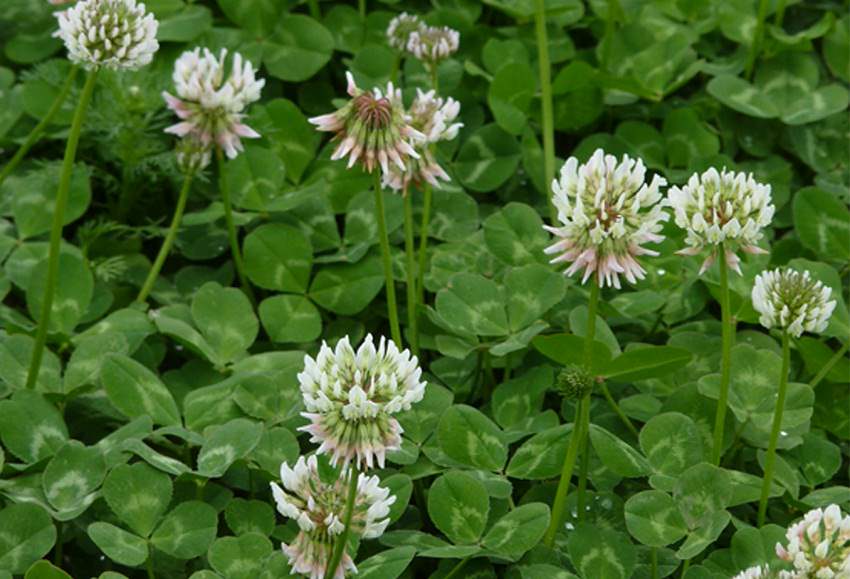
Plant Profile: White Clover {Trifolium repens}

By Crooked Bear Creek Organic Herbs

Crooked Bear Creek Organic Herbs's avatarCrooked Bear Creek Organic Herbs

Also, Known As:

  • Dutch Clover
  • White Clover

White clover (botanical name Trifolium repens) is a clover species that is indigenous to Europe, West Asia and Northern regions of Africa. Extensively introduced across the globe, this species is cultivated in the form of a pasture crop and is currently even common in the grassland regions of North America as well as New Zealand. White clover is also known as Dutch clover, as this species was cultivated in Holland for the first time.

White clover is a herbaceous (herb-like) perennially growing small plant. It grows close to the ground and produces small whitish flower heads, which usually have a pink or creamy tinge, which may occur as the plant matures. Usually, the flower heads measure anything between 1.5 cm and 2.0 cm (0.6 inches and 0.8 inches) wide and appear at the end of the flower stalks or peduncles measuring about 7…

View original post 1,507 more words
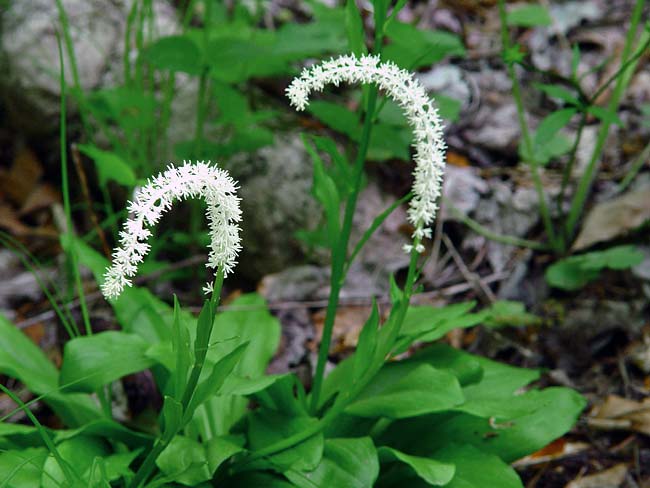
Endangered Species: False Unicorn Profile

By Crooked Bear Creek Organic Herbs

Crooked Bear Creek Organic Herbs's avatarCrooked Bear Creek Organic Herbs

Chamaelirium lutetium

Also, Known As:

  • Blazing Star
  • Devil’s Bit
  • False Unicorn
  • Helonias Root

During the colonial period in North America, people used false unicorn, also known as Liatris (botanical name Chamaelirium lutetium) as a medicinal herb. However, its current use is strictly limited to being an ornamental plant. In fact, false unicorn is preferred by florists while arranging cut flowers for any customer owing to the exquisite lavender spikes of the plant’s fluffy flowers. Dissimilar to the majority of the different spike blooms, false unicorn flowers are an omission from the rule. The flowers of this herb develop at the apex of the spikes in a descending pattern. The flowering spikes of the false unicorn may be about two feet or even longer and have either purple or lavender hue.

The false unicorn is a perennially growing plant that is indigenous to the United States and is found growing in…

View original post 1,725 more words

The Forager’s: Life Root Profile

By Crooked Bear Creek Organic Herbs

Crooked Bear Creek Organic Herbs's avatarCrooked Bear Creek Organic Herbs

Senecio aureus

Also, Known As:

  • Cocashweed
  • Coughweed
  • False Valerian
  • Golden Ragwort
  • Golden Senecio
  • Liferoot

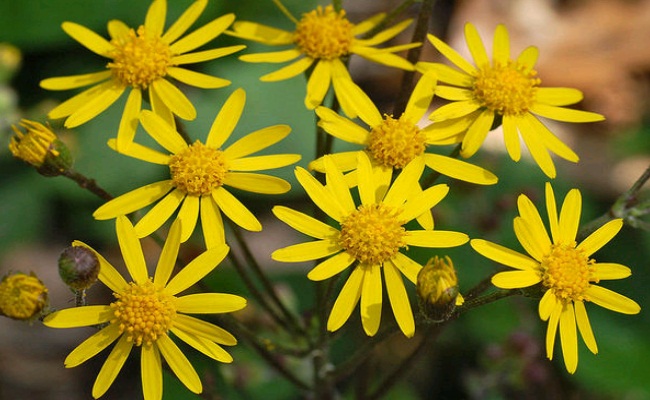
The herb known as the life root is a perennial wildflower species of the daisy family of plants – Asteraceae; it reaches about half to two m in height. A small rosette of basal leaves approximately six to eight inches across is found at the base of each plant. The basal leaves have blades that are normally two inches in length and two inches wide. The leaves are cordate orbicular in shape, possessing crenate, dentate edges without any hair on the surface. The length of the blades is matched by the length of the slender petioles of the basal leaves. Each rosette develops a flowering stalk from its center which grows up. Usually, two to three alternate leaves are borne along this flowering stalk. The size of the alternate leaves is smaller compared to the size…

View original post 1,716 more words

Plant Profile: Black Haw

By Crooked Bear Creek Organic Herbs

Crooked Bear Creek Organic Herbs's avatarCrooked Bear Creek Organic Herbs

Viburnum prunifolium

Also, Known As:

  • American Sloe
  • Black Haw
  • King’s Crown
  • Sheepberry
  • Snowball Tree
  • Stagbush

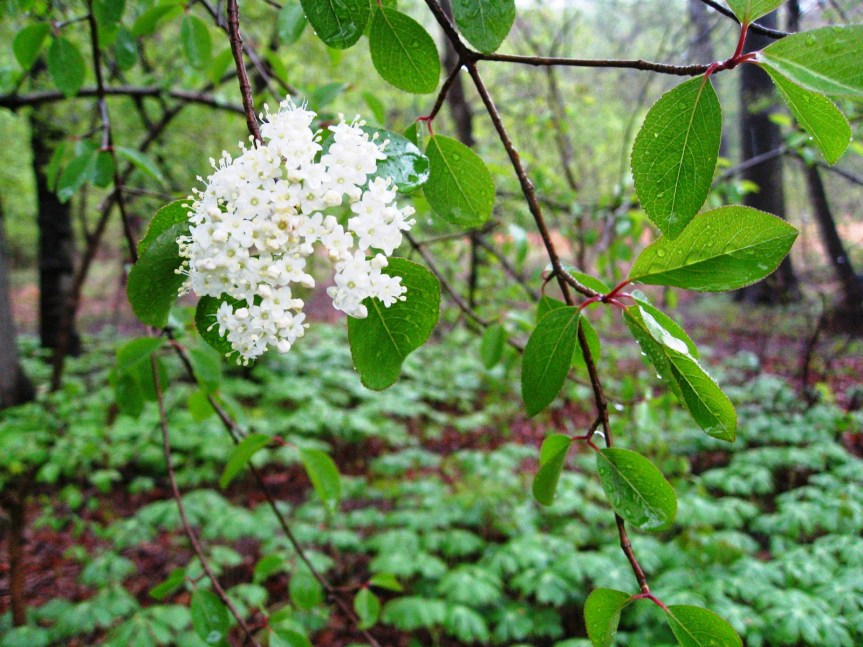
The American plant known as the black haw is native to the American continent, and it is believed to have been in traditional use for the preparation of many types of herbal remedies as well as a source of food by the original Native Americans – though documentation is scarce. The black haw is a shrub or more correctly a small deciduous tree which can reach a height of five to fifteen feet when fully mature. The plant is characterized by its red-brown bark and the grooved branches. The black haw plant also bears a number of characteristic flat-topped white flowers and in the season many shiny and blue-black berries, the black haw berries are very juicy and used in many Native American food preparations.

The herbal literature does not have too many details on…

View original post 1,180 more words

Plant Profile: Wild Indigo {Baptisia tinctoria}

By Crooked Bear Creek Organic Herbs

Crooked Bear Creek Organic Herbs's avatarCrooked Bear Creek Organic Herbs

Also, Known As:

  • Baptisia
  • Clover Broom
  • Horsefly Weed
  • Indigo Broom
  • Rattlebush
  • Shoofly
  • Wild Indigo
  • Yellow Indigo

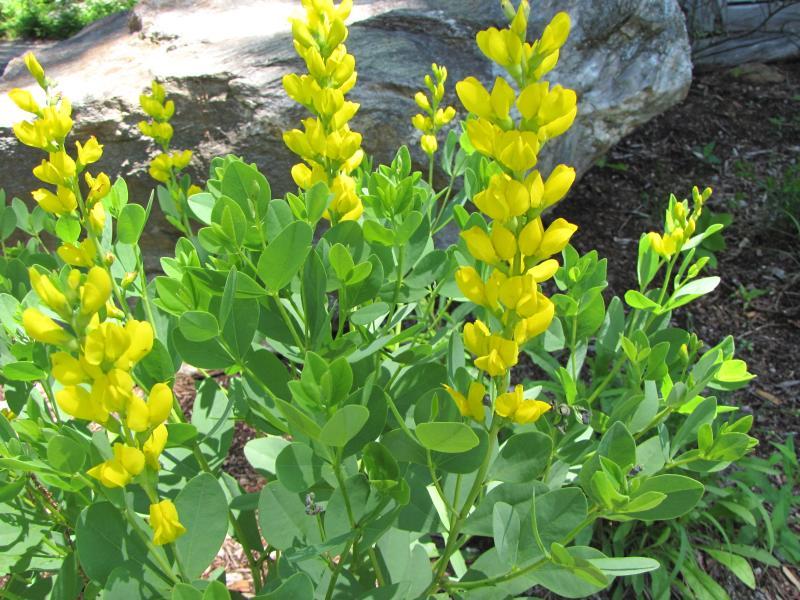
The very term ‘indigo’ associated with a plant’s name brings to the mind that it must be yielding a rich blue pigment. But, unfortunately, wild indigo is a plant that is an inferior alternative to the original indigo dye that has provided people across the globe with a deep blue color for over 4000 years now. Indigenous to North America, the wild indigo is a shaggy plant that has bluish green leaves and yellow colored flowers that are akin to the ones found on the pea plant. According to history, the Mohegans of south New England precipitated the root of wild indigo to acquire a medicine with which they washed cuts and gaping wounds and this practice is followed even now. In fact, wild indigo has antiseptic properties and is immensely beneficial in treating…

View original post 1,456 more words

Plant Profile: Crampbark

Crooked Bear Creek Organic Herbs's avatarCrooked Bear Creek Organic Herbs

Viburnum opulus

Also, Known As:

  • Crampbark
  • Cranberry Bush
  • Cranberry Tree
  • Guelder Rose
  • Pembina
  • Pimbina
  • Whitten Tree

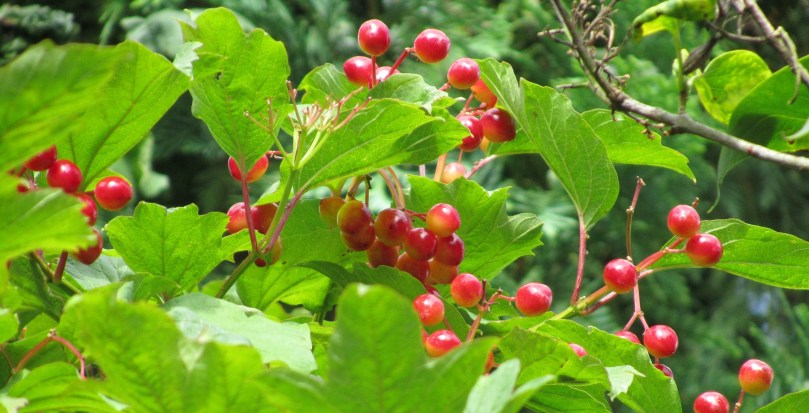
Crampbark (botanical name Viburnum opulus) is basically a shrub that is indigenous to Europe as well as North America and is also found growing in the northern regions of Africa and Asia. The US National Formulary documented crampbark as late as in the 1960’s in the form of a tranquilizer for conditions related to the nervous system as well as in the form of an antispasmodic in treating asthma. As the name ‘crampbark’ suggests, the therapeutic use of this herb is primarily related to easing cramps as well as other conditions, for instance, painful menstruation due to excessive tightening of the muscles as well as colic.

Crampbark is a shrub that sheds its leaves annually (deciduous) and usually grows up to a height of 4 meters to 5 meters. The leaves of this herb…

View original post 2,112 more words

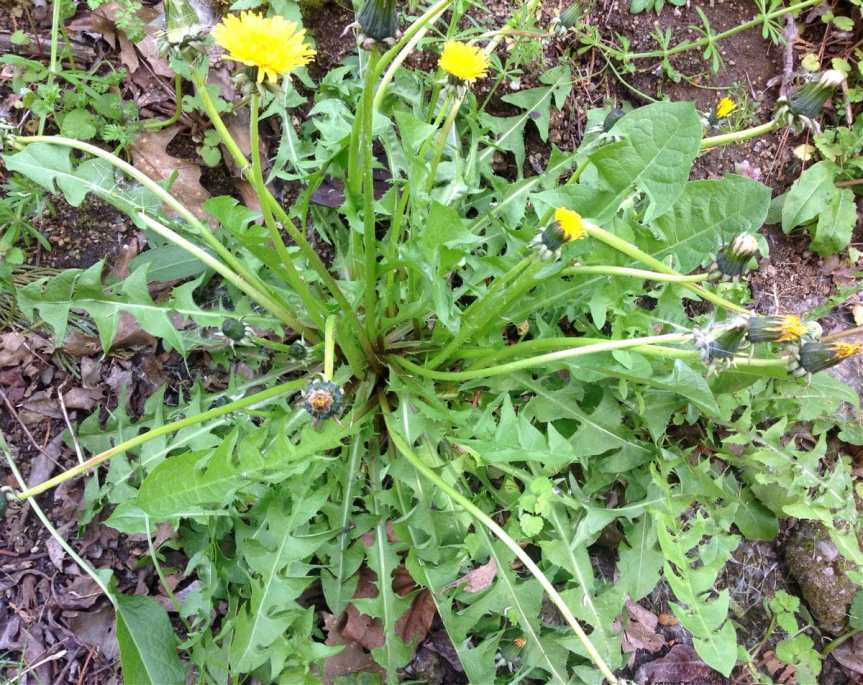
Dandelion, A Common Garden Herb

I make a wilted dandelion greens dish that’s fantastic after a long winter. Get the leaves young for eating. The older leaves are bitter.

Crooked Bear Creek Organic Herbs's avatarCrooked Bear Creek Organic Herbs

Taraxacum officinale

Also, Known As:

  • Blow Ball
  • Cankerwort
  • Dandelion
  • Lion’s Tooth
  • Pissabed
  • Priest’s-crown
  • Puff Ball
  • Pu Gong Ying
  • Pu-kung-ying
  • Swine Snout
  • Telltime
  • White Endive
  • Wild Endive

The dandelion is a common garden herb, with easily recognized flowers. During the spring season, the leaves and the root of the dandelion begin to produce mannitol, which is a substance utilized in the treatment of conditions such as hypertension and a weakened heart in continental Europe – where it is often prescribed by herbalist for patients with these conditions. A herbal dandelion tea made using the roots and the leaves of the herb are good to take from about the mid of March to about mid-May in the treatment of such conditions. Prepare the herbal dandelion tea in this way, first, boil a quart of water in a pot, slowly reduce the heat and then add 2 tbsp. of cleaned and chopped fresh…

View original post 2,664 more words

Elderberry’s | Colorado School of Clinical Herbalism

Crooked Bear Creek Organic Herbs's avatarGood Witches Homestead

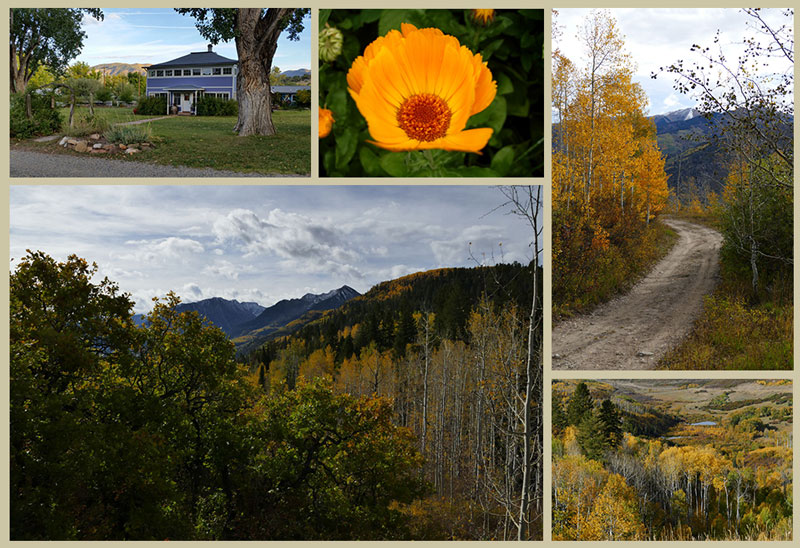
CSCH is thrilled to begin the process of creating an Herbal Healing Center at Elderberry’s, a delightful 4-acre farm in Paonia, Colorado! Experience traditional Nature Cure and Vitalist therapeutics among the gardens, herb beds, fruit trees, and wildlands nearby.

Source: Elderberry’s | Colorado School of Clinical Herbalism

Elderberry’s is home to a charming, periwinkle-blue 1908 farmhouse, graced with Peach, Plum, and Apple trees, where chickens free-range among organic vegetable and herb gardens. Our botanical sanctuary is on the edge of town, in a quiet, peaceful, varied landscape with huge Cottonwood trees shading the lawns. It’s the perfect place to shed the chaos of city life and recharge your vitality. Eat fresh food right from local farms and gardens and rest in the camping meadow under brilliant stars or stay in one of our tiny houses. Find yourself at home among healing waters, where the Minnesota creek and mountain snowmelt converge…

View original post 11 more words

The Forager’s: Skunkbush Profile

Crooked Bear Creek Organic Herbs's avatarCrooked Bear Creek Organic Herbs

Rhus trilobata

Also, Known As:

  • Aromatic Sumac
  • Basketbush
  • Fragrant Sumac
  • Ill-scented Sumac
  • Scented Sumac
  • Skunkbush
  • Skunkbush Sumac
  • Squawbush

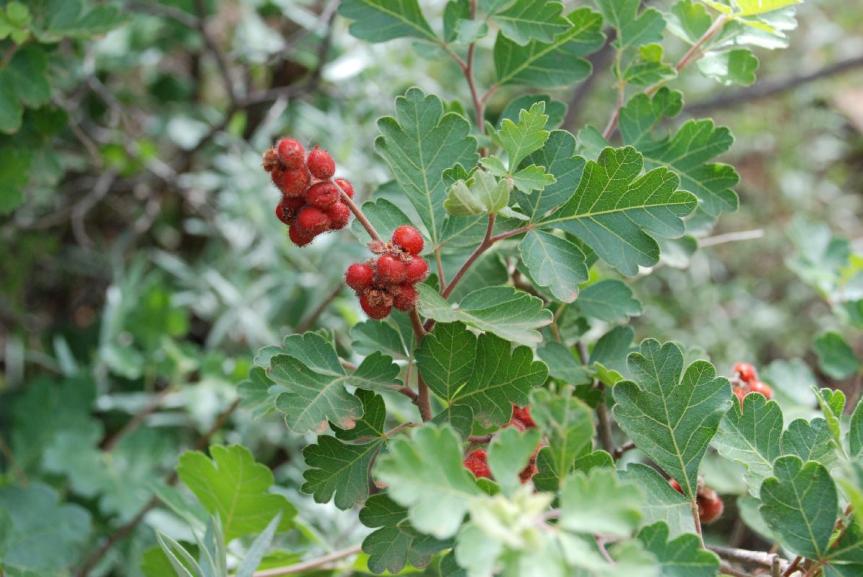
Skunkbush (scientific name Rhus trilobata) is a low-growing, bushy shrub belonging to the sumac genus. Also known as sour berry or three-leaf sumac, it grows up to a height of anything between 2 feet and 6 feet. This shrub is found growing in clumps in rocky terrains all through a different section of the eastern United States. The leaves of this shrub are trifoliate (hence the common name three-leaf sumac), which appear on an inch-long stalk. The leaflets of skunkbush appear directly from the stems (sessile) and are covered with very fine, short hairs (pubescence) when they are young. Compared to the lateral leaflets, the terminal leaflet is significantly large, measuring about 1 inch to 2 inches long and roughly two-thirds of its length in width. The leaflets are complete and narrow…

View original post 1,608 more words

Anti-Inflammatory Plants: Plants That Stimulate Cortisone Production

Crooked Bear Creek Organic Herbs's avatarCrooked Bear Creek Organic Herbs

http://amzn.to/2FT3u4BNatural Remedies

Natural Remedies for Inflammation (Healing Arts Press, 2014), by Christopher Vasey contains valuable information about treating inflammation naturally. The book examines over 50 of the most common inflammation-related illnesses and explains which medicinal plant or food supplement is best suited to ease the symptoms and help the body heal. The following excerpt is from Chapter 5, “Eighteen Anti-Inflammatory Plants.”

Plants That Stimulate Cortisone Production

The plants of this group have a “cortisone-like” effect; in other words, they stimulate the adrenal glands to produce more cortisone. This hormone will then flow at higher levels in the bloodstream and work its anti-inflammatory effect throughout the body. Since this cortisone is produced by the body and is a natural physiological product, it is entirely beneficial, without any adverse side effects.

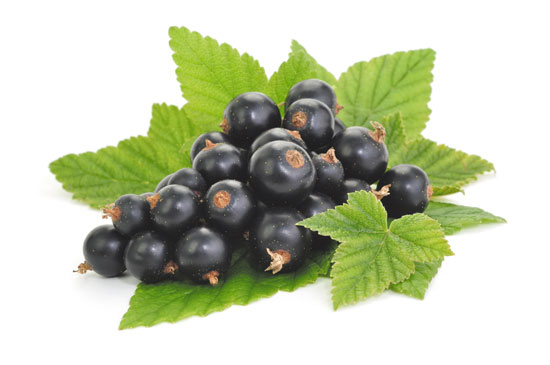
Black-Currant-Web jpg

Black Currant (Ribes nigrum)

Botanical Description: The black currant is a small bush that can grow to more than 4…

View original post 1,511 more words