
Greetings,
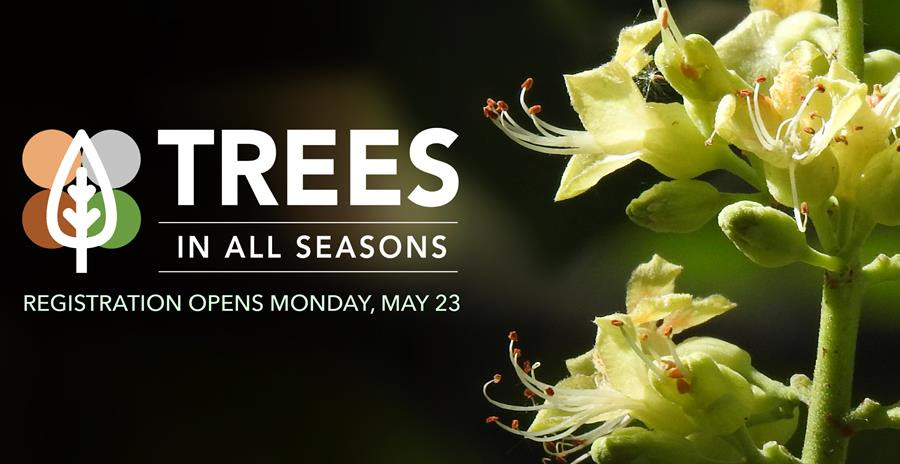
I am very excited to announce that registration for my brand new online course will be open on Monday, May 23rd.
Trees In All Seasons is a four-season online video course designed to help you successfully identify over 100 trees in every season — spring, summer, fall, and winter. Additional topics that are featured in this course include tree ecology, physiology, anatomy, and taxonomy.
This course is presented entirely online and it features over 75 exclusive videos that lay the groundwork for successful tree identification. If you are interested in identifying trees but are finding it difficult to learn through field guides and apps, consider enrolling as a student in Trees In All Seasons.
Please note: Trees In All Seasons will be open for registration for two weeks only from Monday, May 23rd to Monday, June 6th. Upon registration, you have immediate access to all course content and you can watch the videos at your own pace.
To register for Trees In All Seasons, mark your calendar for Monday, May 23rd and visit this link.
All additional information (including course structure, outline, and cost) will be posted on Monday.

My good friend Aaron Watson recently invited me on to his podcast to discuss my work with Trees In All Seasons and Learn Your Land. To learn more about the course, as well as my motives in creating the course, check out the recent interview:
Part 1
Part 2
I look forward to seeing you on Monday!
-Adam Haritan




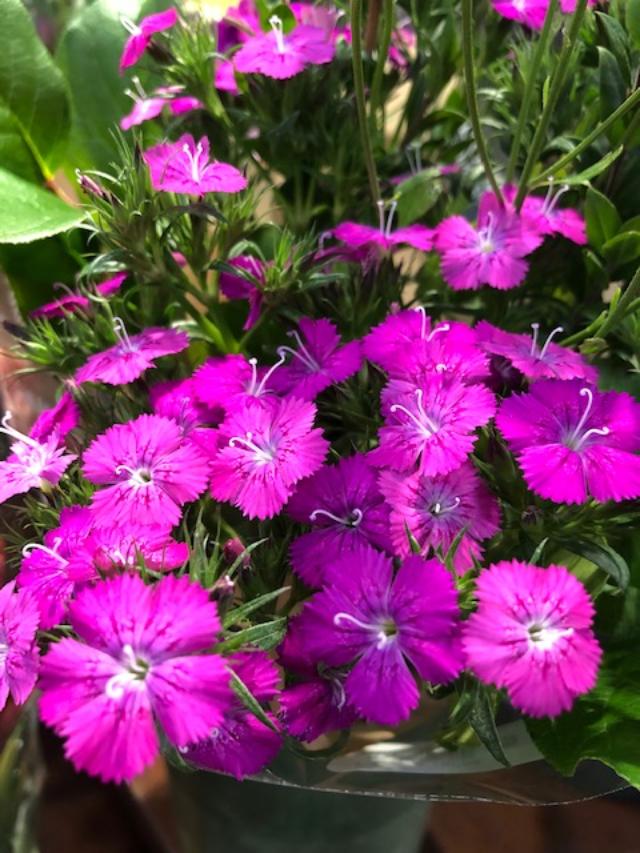 Dianthus is The Herb Society’s Herb of the Month for April. The timing is perfect as the weather is beginning to be spring-like, and these plants are now available in our garden shops. The Greek botanist, Theophrastus (371-287 BCE), is credited with giving these flowers their name. He combined the Greek word for dios, “divine,” with anthos, “flower” and came up with dianthus.Dianthus have been cultivated and bred for over 2,000 years, and many different colors and flower types have been developed along the way. With successive breeding, however, many of the cultivars have lost their native clove-like scent.

 Paths I Walk
You must be logged in to post a comment.