Category: Odds & Ends
Australia: jail young children without charges; they wouldn’t do that; oh yes they would
Honoring the Ancestors of Land, Tradition, and Blood

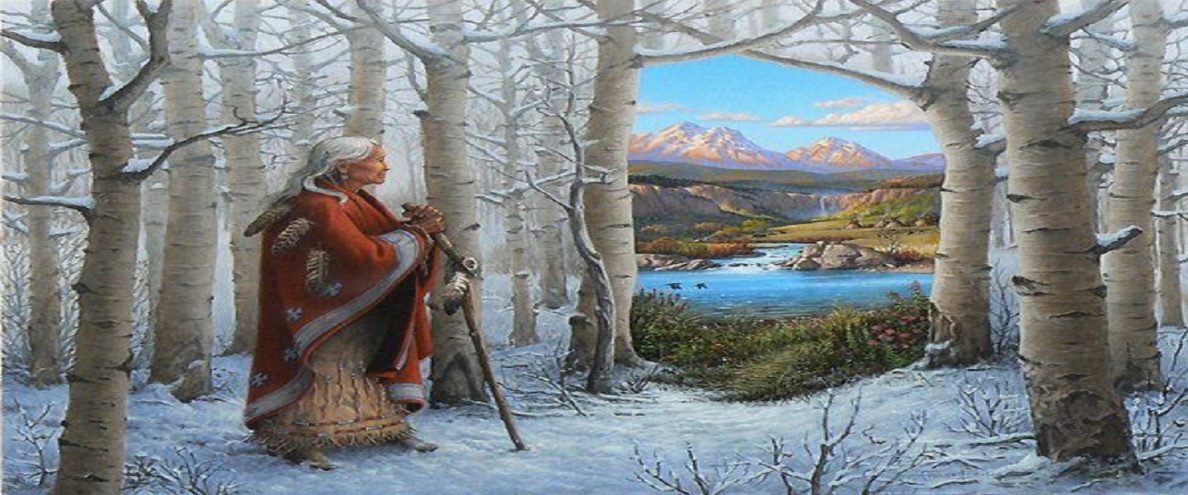
As the world (where I am at, at least!) gets bathed in frost, as the plants wither and die, as the trees bathe themselves in color and then drop their leaves, as the cold wind blows and as the darkness sets in, we in the druid tradition–and in any other traditions–turn to think about the ancestors. In this post, we’ll explore the global traditions surrounding honoring the dead that tie to August-October and honoring the dead to see similarities, we’ll discuss three types of ancestors the druid tradition recognizes, and then we’ll explore ways to honor the ancestors.
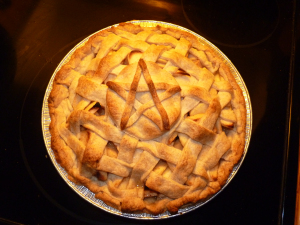 Food for the Ancestors!
Global Ancestral Traditions
When you start digging into ancestor traditions around the world, some striking similarities seem to emerge.
- The Mexican Day of the Dead, which is a blending of European traditions and Aztec honoring of the dead, goes from Oct 31 – Nov 2. As part of…
View original post 2,629 more words
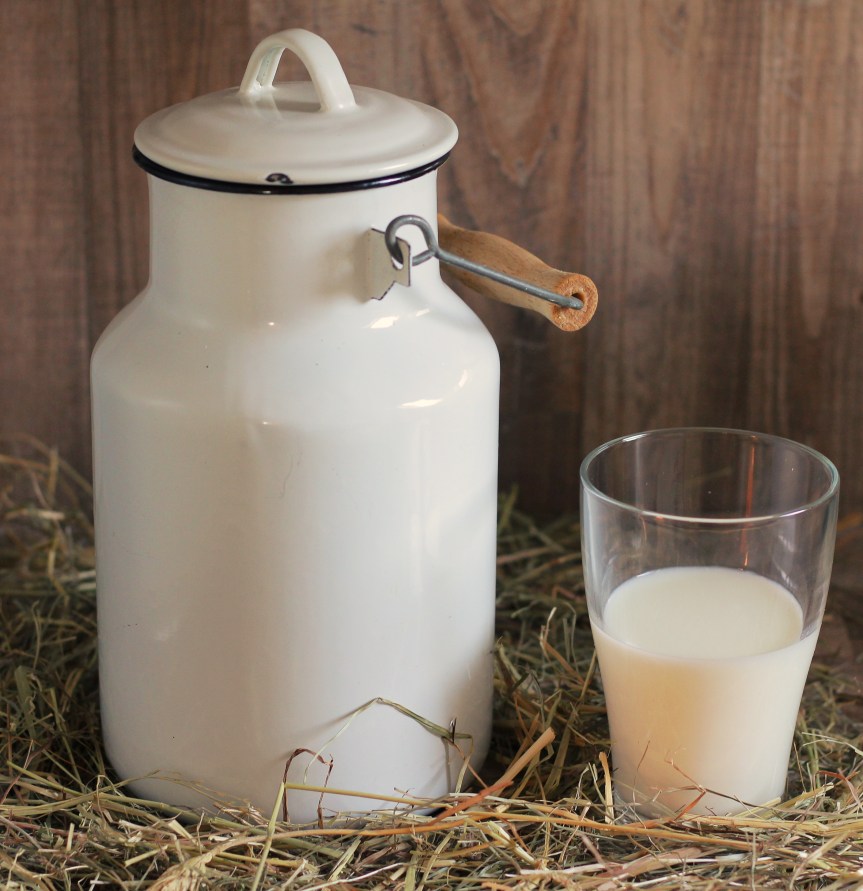
Ozark Encyclopedia – M – Milk
Ozark Encyclopedia – M – Meat

Ozark Encyclopedia – M – Manure

Glad my grandmother never used any of these … Though I did spend a lot of time running barefoot. LOL
Fragrances for Fall {DIY}
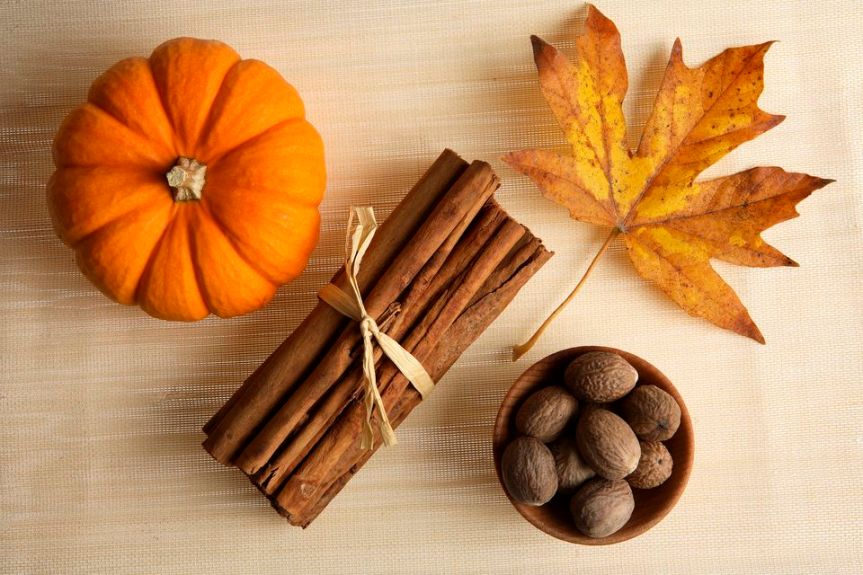
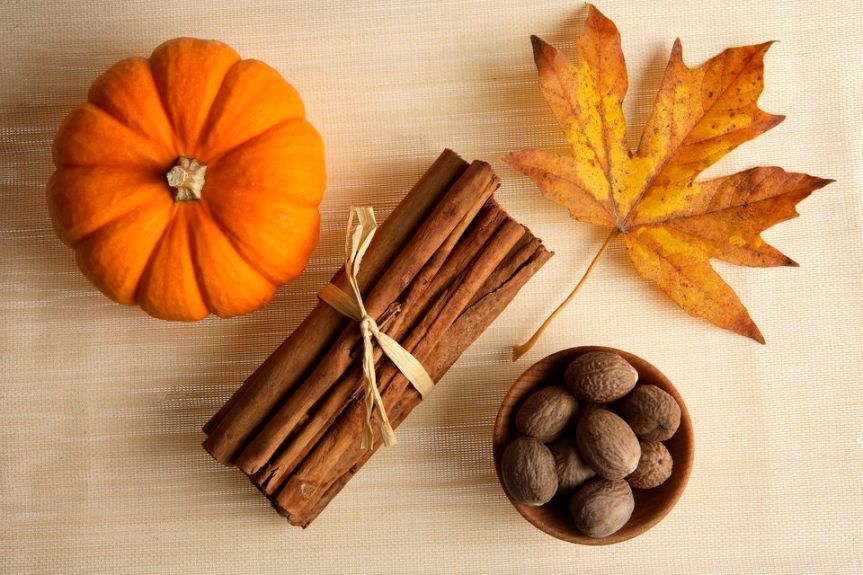

Without question, people adore the cozy smells of fall that brings pumpkin spice, tart apples, crisp leaves and spicy cinnamon. Bring those scents into your own home to celebrate fall without using harsh artificial chemical scents by making your own natural home fragrance on your stove. All you need to do is bring a pot of water to a simmer and add in spices with other fresh ingredients, such as apple peels, cinnamon, and cloves.
Combined together, these ingredients will send an autumn aroma throughout your home. As an added benefit, not only will your home smell like you have been baking (without all the effort) but the simmering water will help to humidify your home, which often suffers from dry air in the fall and winter.
Pumpkin Spice Simmering Pot
Ingredients
- 2 cinnamon sticks
- 4 pieces of candied ginger
- 1 clove of nutmeg
Instructions
- Bring a pot of water to a boil, add the candied…
View original post 410 more words
Ozark Encyclopedia – L – Lightning Wood

Did You Know?
During the period beginning on the first Friday in October until the second day of November, the veils separating spiritual realms are extremely sheer.
A History of Spirit Keeping
Spirit Keeping, in the sense of how you keep spirits today, is nothing as it was even 120 years ago. Modern-Day Spirit Keeping is the by-product of the marriage between spirit conjuration and para-technology. Spirit Keeping, in its origin, is quite different. While those who were considered sages, psychics, or medicine men, would contact spirits for information, they were often sought for counsel through specific rituals performed to gain information for a specific person, or for personal awareness. Often times the person who had the ability to conjure the spirit was the only one allowed to converse with the spirit. The person coming forward to ask for guidance, or to ask for…
View original post 2,970 more words
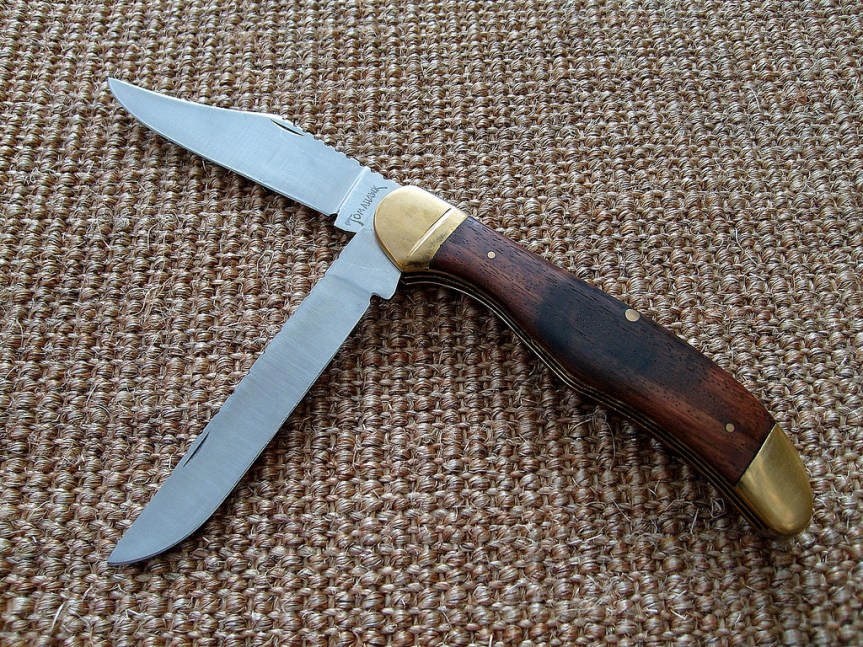
Ozark Encyclopedia – K – Knives

 Paths I Walk
You must be logged in to post a comment.