Diary of a Land Healer: March/April

by The Druid’s Garden

Dana's avatarThe Druid's Garden

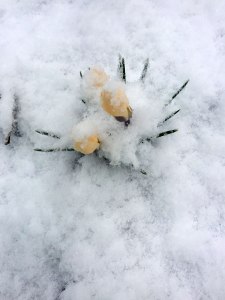
Mid-March - Crocus in the Snow Mid-March – Crocus in the Snow

The landscape waits, with bated breath, for the warmth to finally arrive. The last two months have been unseasonably cold, and the longer that time passes, more anticipation is present in the air. The plants and buds swell, but are unwilling to come out while the temperatures still go into the teens at night. At Imbolc, Punxsutawney Phil, our local divination oracle, predicted six weeks of winter, but in truth, winter has turned from 6 weeks more, to 12 weeks more, and now almost to 18. Just two days ago, the weather broke, and it seems that spring is finally in the air. Here at the homestead, we are all growing weary. Each morning, my cat Acorn runs to the door, ready to go outside and explore.  When I open the door for her, a breath of cold air hits her face and…

View original post 1,736 more words

IPM For The Herb Garden

By Crooked Bear Creek Organics

Crooked Bear Creek Organic Herbs's avatarCrooked Bear Creek Organic Herbs

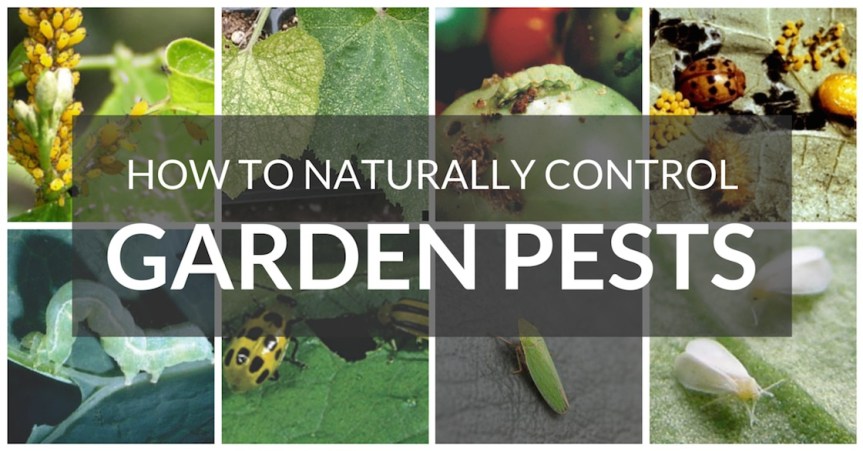
Designed as an alternative to the rampant use of insecticides in agriculture, Integrated Pest Management has proven to be an effective means of promoting healthy growth in the backyard garden as well. Learn more about how you can implement this technique in your herb plot.

Even under the best of care, your herb garden may be affected by pests or disease at some point. It can be difficult to choose the right moment and method to deal with these problems that arise, but implementing an Integrated Pest Management {IPM} strategy can help get your garden on the right track. With its multipronged approach of prevention, observation, identification, and control {if necessary}, IPM can have a significant impact in any garden, large or small, and will reward you with healthy, thriving plants with minimal impact to the environment.

The concept of IPM was first explored by American scientists and agriculturalists after…

View original post 2,021 more words

Sacred Landscapes, Part III: Ley Lines and the Energy of the Earth

by The Druid’s Garden

Dana's avatarThe Druid's Garden

Over the last two weeks, we’ve been exploring the idea of re-enchanting the world. Two weeks ago, I introduced the idea of re-enchantment through a discussion Max Weber’s claims that the world has been “disenchanted” by industrialization. Re-enchanting, then, is potential work that we as druids and earth-centered spiritual people might do. If we want to do this re-enchantment, however, we need to draw upon and better understand the ways in which ancient humans created sacred landscapes. In last week’s post, we explored the historical understanding of “ley lines” and alignments on the earth to understand some of the physical tools that ancient humans worldwide used to enchant the world. Today’s post continues this discussion in a more metaphysical sense–understanding the more modern “ley line theory” as it applies to earth energy and considering the energetic work we might do.

Ley Lines as Energy

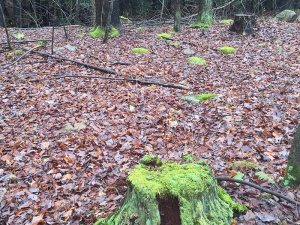
Line of stumps in January - strong telluric energy. Line of stumps in…

View original post 2,512 more words

What to Harvest: March

Cabin Fever: You Get What You Ask For

Sustainable Wild Collection Protects People, Plants, and Animals

Crooked Bear Creek Organic Herbs's avatarCrooked Bear Creek Organic Herbs

Chances are, you’re deeply connected with wild plants and don’t even realize it.

All of us in countless ways, whether we recognize it or not, are deeply connected to wild collecting.

Wild plants, as the term suggests, aren’t grown on farms. Instead, they’re collected in meadows, forests and deserts. Since ancient times, they’ve served as natural and essential ingredients in foods, fibers, dyes, cosmetics and traditional medicines.
Consider the açai berries in your super smoothie. They’re wild collected in the Brazilian Amazon. The pure maple syrup you save for special breakfasts most likely comes from the forests of Canada or the northern regions of the United States. The candelilla wax in your favorite skin care products originates in the deserts of northern Mexico. The licorice root used in candies and lozenges could be wild collected in many places — Afghanistan, Kazakhstan, Pakistan, Turkmenistan or Uzbekistan. And at Wildwood Enterprises, more…

View original post 3,466 more words

Elderberry’s | Colorado School of Clinical Herbalism

Crooked Bear Creek Organic Herbs's avatarGood Witches Homestead

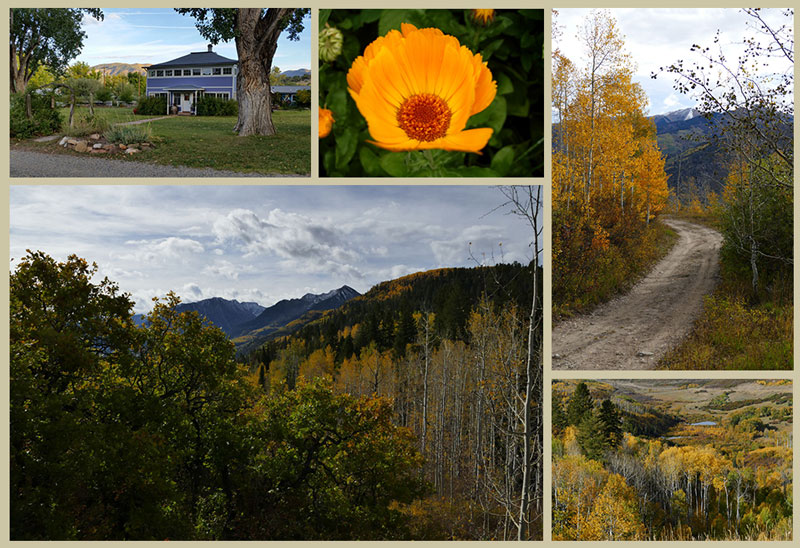
CSCH is thrilled to begin the process of creating an Herbal Healing Center at Elderberry’s, a delightful 4-acre farm in Paonia, Colorado! Experience traditional Nature Cure and Vitalist therapeutics among the gardens, herb beds, fruit trees, and wildlands nearby.

Source: Elderberry’s | Colorado School of Clinical Herbalism

Elderberry’s is home to a charming, periwinkle-blue 1908 farmhouse, graced with Peach, Plum, and Apple trees, where chickens free-range among organic vegetable and herb gardens. Our botanical sanctuary is on the edge of town, in a quiet, peaceful, varied landscape with huge Cottonwood trees shading the lawns. It’s the perfect place to shed the chaos of city life and recharge your vitality. Eat fresh food right from local farms and gardens and rest in the camping meadow under brilliant stars or stay in one of our tiny houses. Find yourself at home among healing waters, where the Minnesota creek and mountain snowmelt converge…

View original post 11 more words

That Funny Little Spring Weed: Lamb’s Quarter

Crooked Bear Creek Organic Herbs's avatarCrooked Bear Creek Organic Herbs

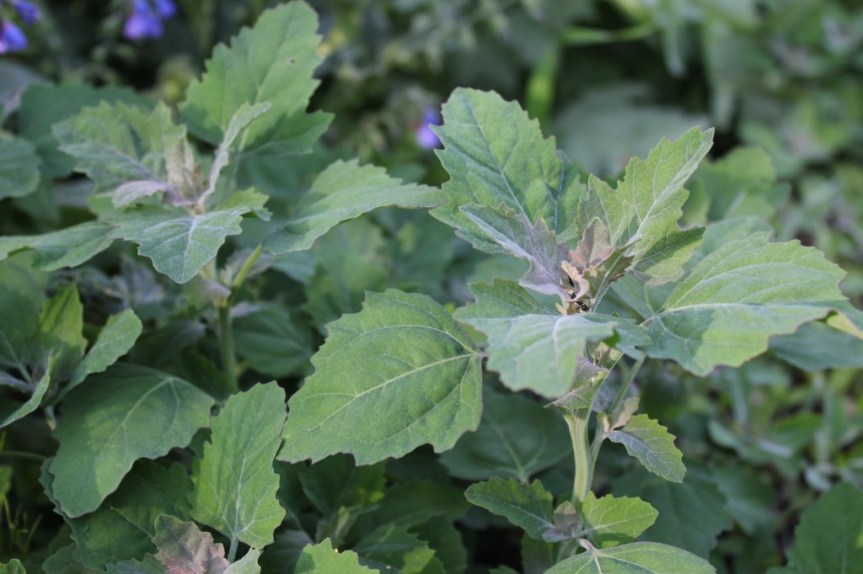
Lambs quarter is one of the most common weeds in gardens, backyards, and fallow fields, following human habitation closely. If you add horse or cow manure to your garden you will have a steady supply of these tasty wild greens for most of spring and summer. Easy to recognize with its alternate, triangle-to-diamond shaped leaves which are coated on the underside with a whitish grey powdery meal resembling flour. This coating may sometimes possess a coppery-fuchsia sheen and is sold as a cultivar called “magenta spreen” in some garden catalogs. The coating is a natural part of the leaf and is fine to eat. Put a leaf under water and the meal will cause the water to bead up in a beautiful iridescent fashion. Lamb’s quarter grows to 3-5 feet and is a branching annual with a grooved stem which is often tinged with red, especially at the node, or…

View original post 805 more words

Crushed Terracotta – The Underdog Of Protection

Lily Lore

Crooked Bear Creek Organic Herbs's avatarGood Witches Homestead

COMMON NAME:  lily
GENUS:  Lilium
SPECIES, HYBRIDS, CULTIVARS:
Many of the 200 species of lilies are native to the United States. Plant breeders have done extensive hybridization work on the lilies to make them hardy and free flowering. Lilies are now available in every color except blue.
FAMILY:  Liliaceae
BLOOMS:  late spring
TYPE:  perennial
DESCRIPTION:  Lilies are one of the most beautiful of all garden plants. The flowers are large and deliciously colored, and they usually occur many to a stem. The height of lilies ranges between 2 to 6 feet. Flower forms include trumpet shape, pendant, flat-faced, or bowl-shaped.
CULTIVATION:  The most important requirement for growing lilies is well-drained soil. Water standing on the bulbs will cause them to rot. The bulbs should be kept cool. This can be done by overplanting with annuals or perennials. Depending on the size of the bulbs, they should be planted…

View original post 678 more words