Sage Ash

Featured Image -- 4724

witcherywednesday's avatarWitchery Wednesday

One of the signs that you might be a little witchy is that you tend to save everything.  It’s not hoarding if it’s useful, right?  And when it comes to spellwork, everything can be useful.  If your pockets are currently full of bits of stray string and your shelves full of glass jars (that may or may not actually contain cobwebs on purpose) then you know what we’re talking about.  But here’s something you’re probably not saving that you should be.

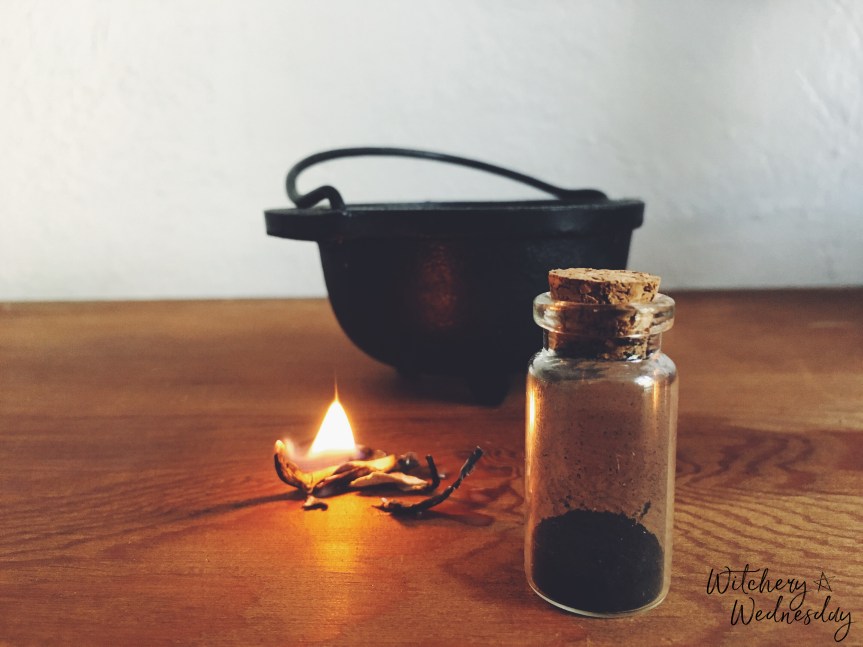
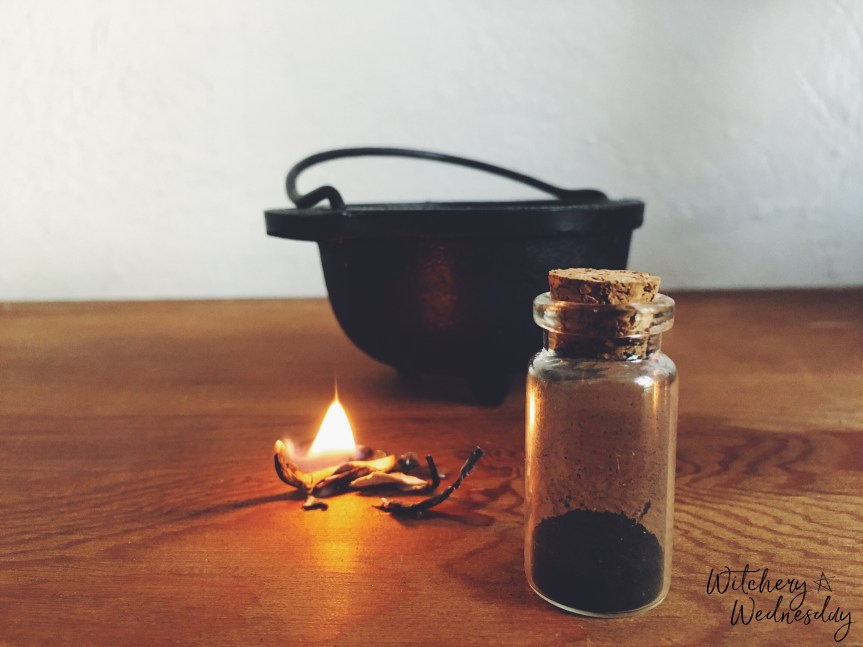
Burning white sage, whether as a smudge stick or loose, is almost a witchy right of passage.  Some people will insist that you should discard of any loose sage or sage ash that is “used up” after burning so as to avoid “contamination”.  But we disagree.  Sage ash is incredibly useful, and should not be wasted.
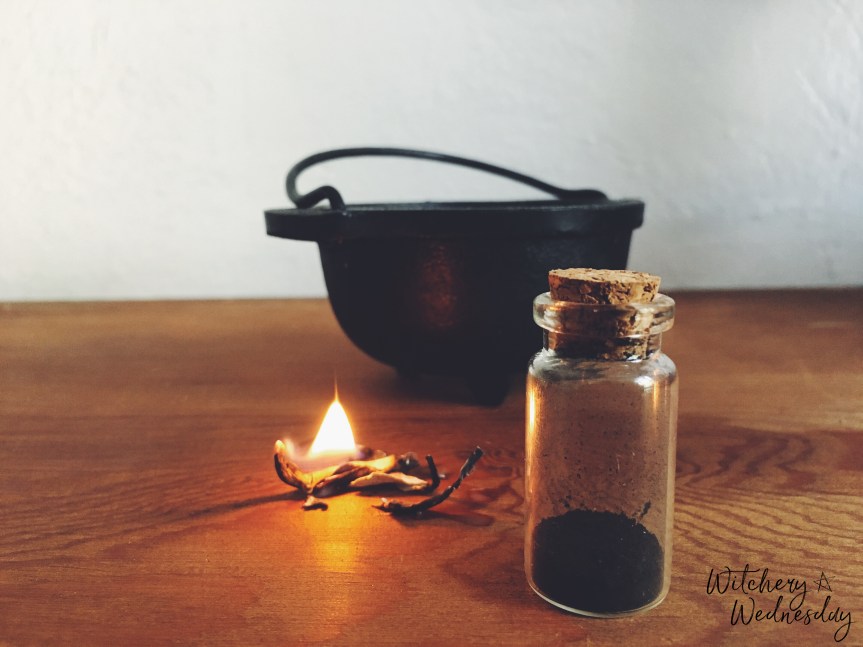
Processed with VSCO with f2 preset

How to do it?  If you are using a smudge stick, roll…

View original post 191 more words
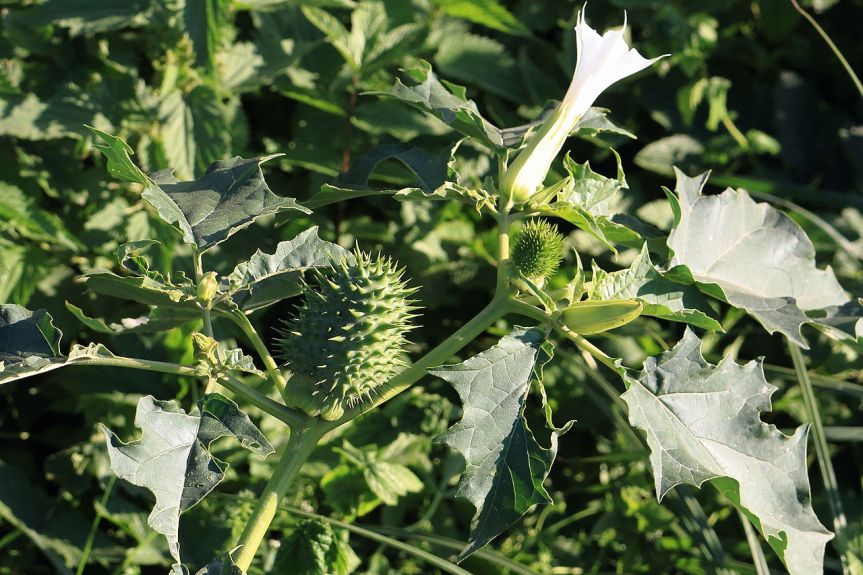
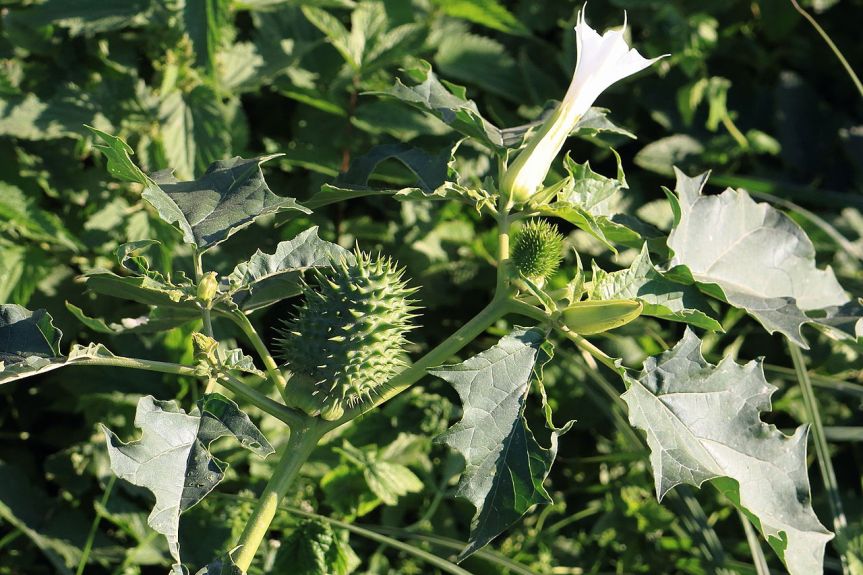
Ozark Encyclopedia – J – Jimsonweed

Featured Image -- 4720

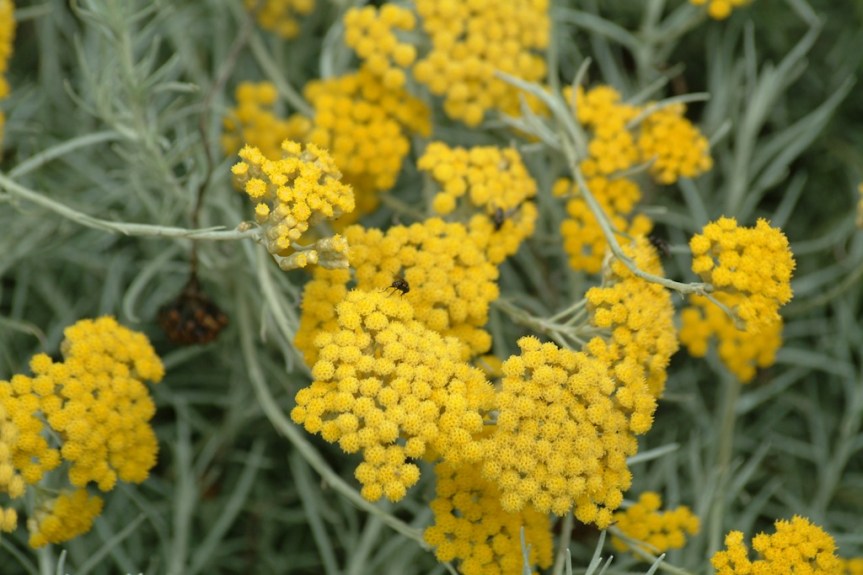
Analysis of Helichrysum (Immortelle) Chemistry, Antioxidant Activity, and Chemotaxonomy

Featured Image -- 4712

Crooked Bear Creek Organic Herbs's avatarCrooked Bear Creek Organic Herbs

Traditionally, helichrysum (immortelle; Helichrysum italicum, Asteraceae) has been used for the treatment of scars and cuts, as well as used as a liver stimulant and diuretic. The essential oil of helichrysum has been found to have anti-inflammatory, antioxidant, fungicidal, and astringent effects. As an emollient and fragrance in the cosmetic and perfume industry, the chemical composition of helichrysum essential oil has been somewhat characterized. The aim of this study was to further characterize the chemical content and antioxidant activity of helichrysum aerial parts and to assess the chemotaxonomy of the H. italicum taxa.

The flowering aerial parts of helichrysum (H. italicum ssp. italicum) were collected in May 2011, near Valdanos, Montenegro. The air-dried aerial parts of the plant were extracted with 45% ethanol and dried. The air-dried flowering upper parts of helichrysum were submitted to hydrodistillation to produce the essential oil.

The essential oil was characterized by…

View original post 630 more words

Fall Allergies ~ An Herbal Approach

Crooked Bear Creek Organic Herbs's avatarGood Witches Homestead

Seasonal allergies can really get you down, and over-the-counter meds can knock you out. Try these natural herbal remedies to soothe pollen induced headaches, scratchy throats, chapped skin, and more.

allergy-teaAs allergy sufferers, we’re acutely aware of seasonal changes in air quality. Earth’s reawakening in spring brings us welcome warmth, but it also delivers not-so-welcome tree pollen. Summer’s riot of plant bounty includes grasses and the associated output of pollen. Fall has its own offenders in the form of ragweed pollen and mold from fallen leaves.
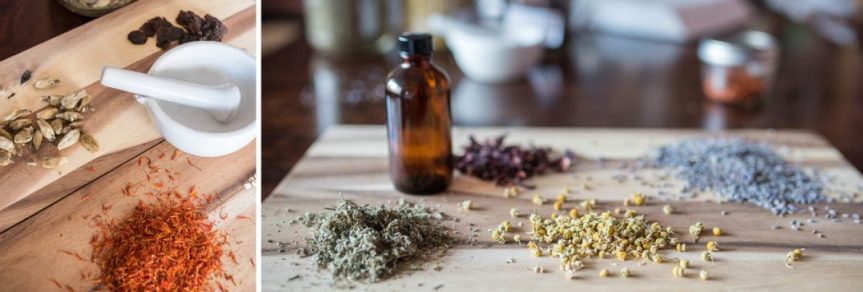
If you’re an allergy sufferer, you may be thinking about closing the shutters and latching the door. Venturing out into this minefield of airborne plant pollens can feel treacherous. Fortunately, Mother Nature has provided us with a phyto-pharmacy that can help carry you comfortably through each season.

What’s an Allergy?

Seasonal allergies are common, affecting more than 35 million people in the United States and…

View original post 1,164 more words

Herbs To Have In Your Medicine Cabinet This Fall

Crooked Bear Creek Organic Herbs's avatarGood Witches Homestead

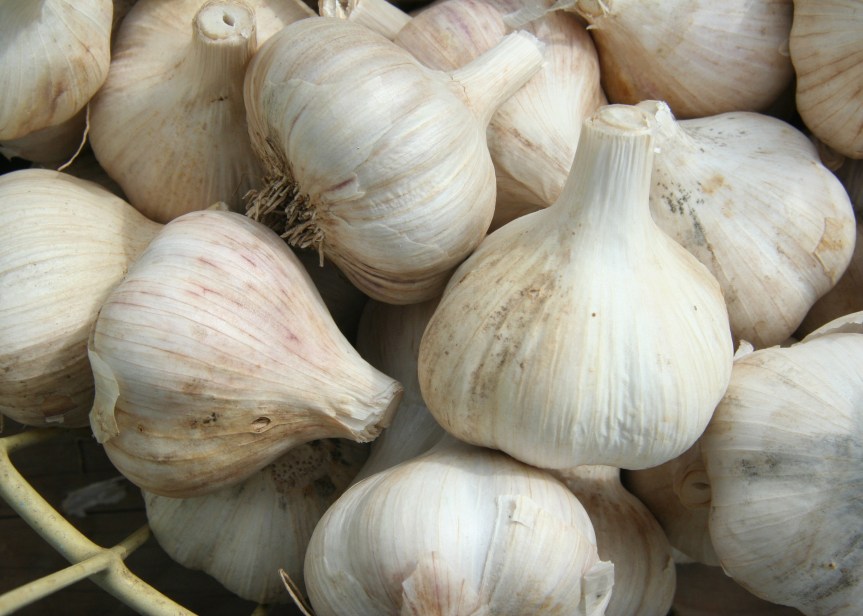
It’s the time of year, where more often than not we are turning to our medicine cupboard to support our bodies and our families. An abundance of tea herbs, honey, and lemon, fresh herbs like ginger, turmeric, cayenne, and garlic are all great to have on hand throughout the winter. A few herbal tinctures also play useful roles and are key ingredients in the medicine cabinet.

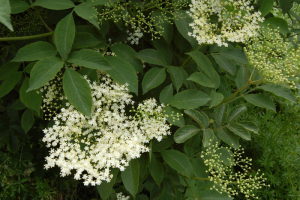
elderflowerElderberry | Elderberry is an excellent superfood-like ally safe to take in large quantities. With elderberry and plenty of rest, our body’s natural response kicks in–that’s why elderberry syrups and tea have long been used to help support optimal immune function. All these amazing herbs come in handy when our resources are low: elderberry helps our body maintain its normal immune response. Because it’s so much like food, it’s incredibly safe for kids, and happens to taste divine when combined with honey–hence the elderberry syrup! This one…
View original post 1,014 more words

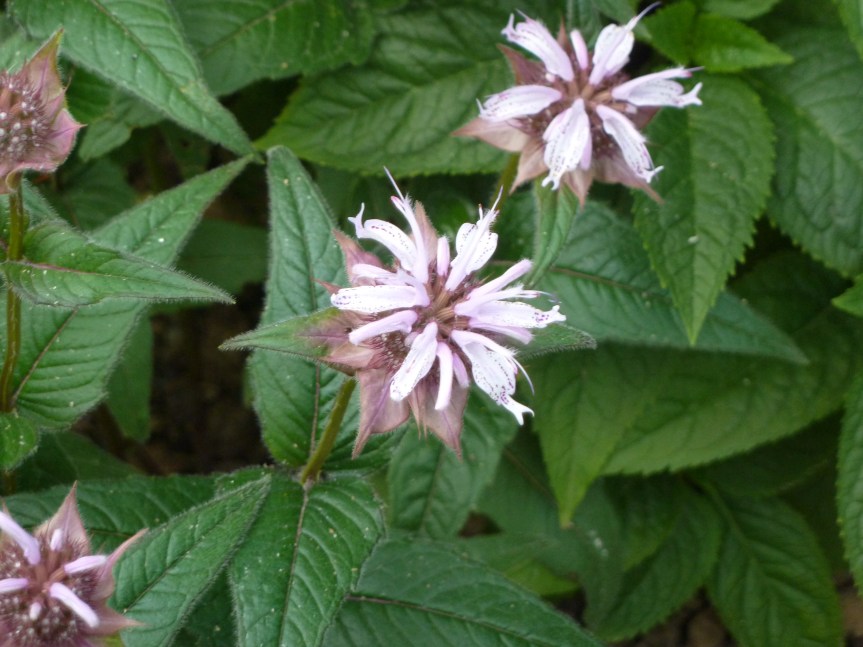
Ozark Encyclopedia – H – Horsemint

Featured Image -- 4667

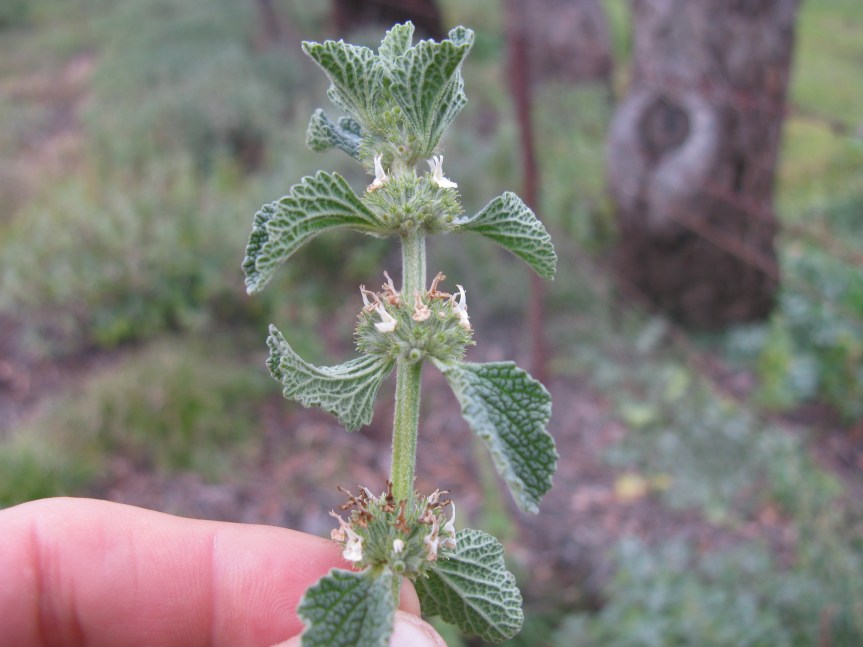
Ozark Encyclopedia – H – Horehound

Featured Image -- 4649

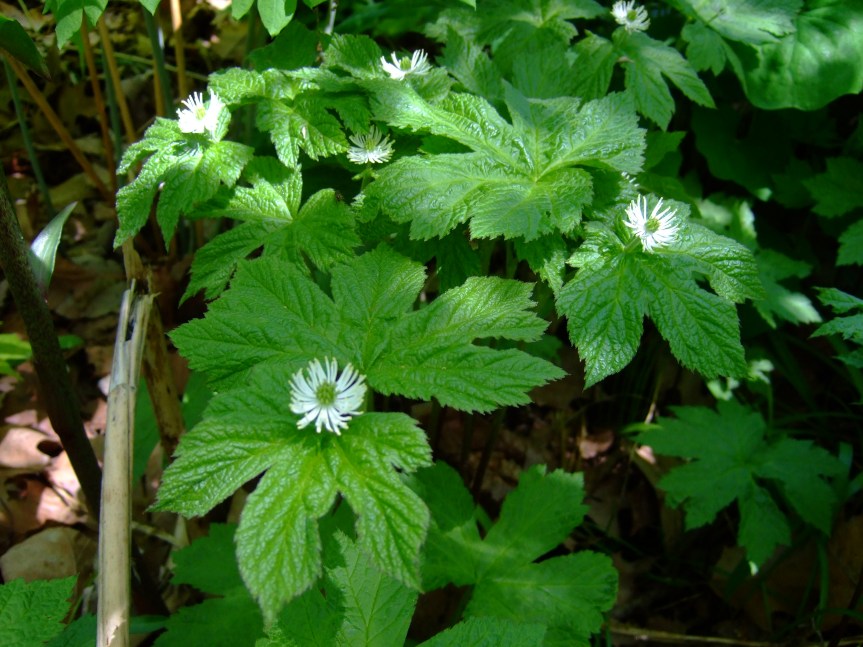
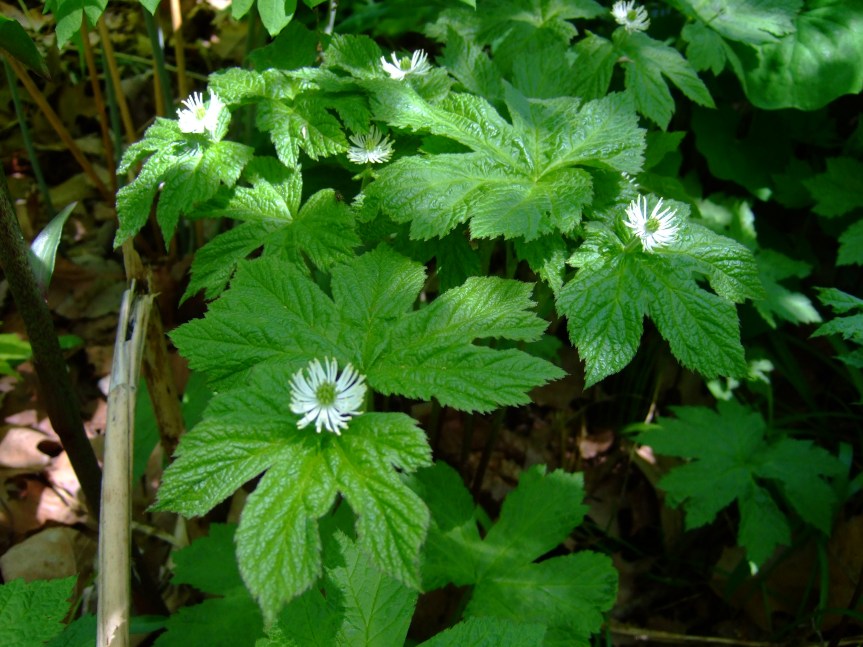
Ozark Encyclopedia – G – Goldenseal

Featured Image -- 4516

Ozark Encyclopedia – G – Garlic

Featured Image -- 4496

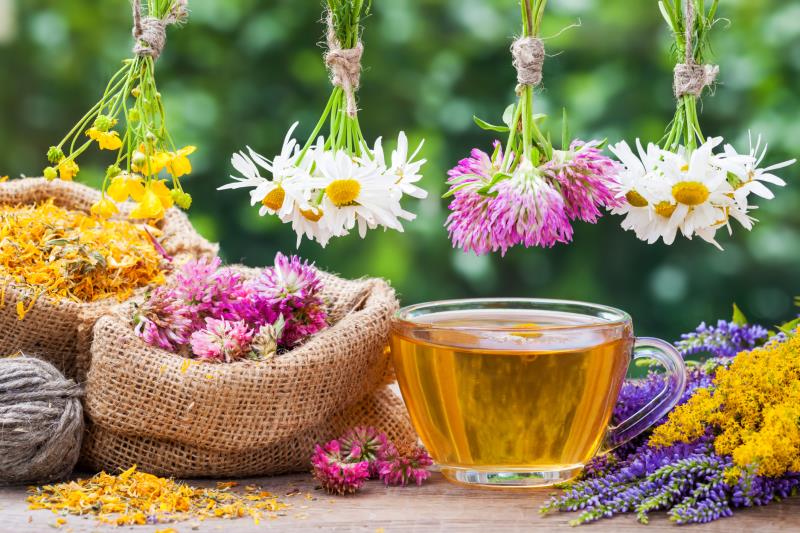
Herbs ~ Harvesting, Drying, Preserving and Storing Your Herbs.

Featured Image -- 4479

Crooked Bear Creek Organic Herbs's avatarGood Witches Homestead

 For the heart of the medicinal herbs! Knowing how to properly harvest your medicinal herbs will increase the potency and efficacy of the preparations you create.

Let’s understand the terminology used to describe the parts of herbs {plant parts} when harvesting.

  • Berries and Seeds: These are the fruits of the plant, harvested when they are fully ripe {usually when they have turned a rich, deep color and have softened and matured}. Rub or brush away old flower parts and the remains of calyxes {plant material between the berry and the stem}, and halve larger seeds and berries to speed up their drying time.
  • Buds: This means just the flower in its unopened state. Harvest it without any stem.
  • Flower: Harvest flowers by removing the whole flowering head, with little or no stem attached. The ideal time to harvest is just as the flowers are opening, but you can collect fully open flowers…

View original post 2,829 more words