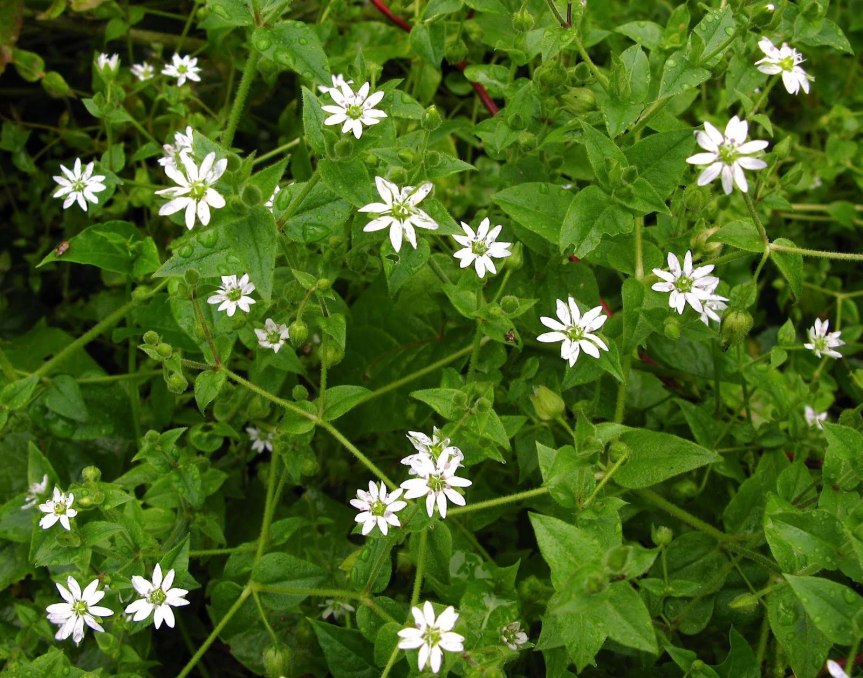
Chickweed {Stellaria media}

Crooked Bear Creek Organic Herbs's avatarCrooked Bear Creek Organic Herbs

Also, Known As:

  • Adder’s Mouth
  • Chickweed
  • Indian Chickweed
  • Satinflower
  • Scarweed
  • Starweed
  • Starwort
  • Stitchwort
  • Tongue Grass
  • White Bird’s-eye
  • Winterweed

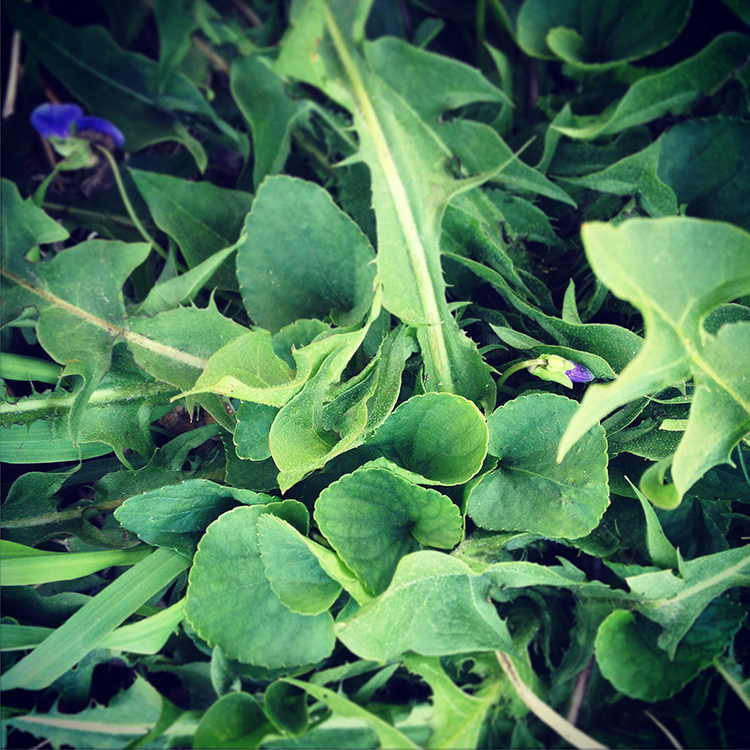
The plant known as the chickweed is a very fragile appearing herb; as a plant, it is actually a very lusty annual plant characterized by the presence of matted to straight green stems growing in profusion over vast areas of land. The chickweed is an extraordinarily hardy herb, and the normal growing starts during the fall season, it is very capable of enduring harsh sleet and severe snowstorms during the winter months, and has been found to be growing even in the far northern areas of the continent, the plant is so hardy that it has been known to be resistant to the majority of weed killers used in agriculture. The production of seeds is usually over by the spring, even though the plant itself is known to begin blooming even when…

View original post 1,978 more words

Elder (Sambucus Canadensis): Sacred Medicine, Magic, Mythology, and Uses of the Elder Tree

Dana's avatarThe Druid's Garden

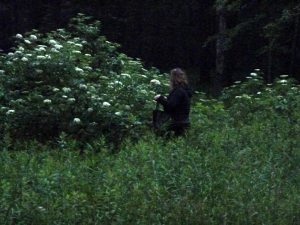
Dana gathers elder as the sun rises on the summer solstice! Dana gathers elder as the sun rises on the summer solstice!
I remember when I first found the massive elderberry patch. It was a few summer solstices ago. There is an overlook deep in the state forest lands, where the roads are more goat path than vehicle worthy, and it takes about 45 minutes to go only a few miles. The overlook is facing east and you can see across multiple counties, for countless miles. Visiting the overlook earlier in the summer, I had said to my mother how much I’d love to witness the summer solstice sunrise from that spot. And so, at 4:30 am on the morning of the solstice we got up and were dismayed to find that it was overcast and drizzling. With hope in our hearts that it would clear, we made our way up the winding path, avoiding potholes and huge rocks, and eventually…

View original post 3,779 more words

Our ‘Go To’ Herb: Parsley

Crooked Bear Creek Organic Herbs's avatarCrooked Bear Creek Organic Herbs

Petroselinum crispum

Also, Known As:

  • Common Parsley
  • Curly Parsley
  • Flat-leaved Parsley
  • Parsley

Parsley (botanical name Petroselinum crispum) belongs to the family Apiaceae and is among the most well-known herbs that are extensively used for garnishing of over 2,000 years, but it is hardly ever consumed. In addition, the leaves, fruits and the root of this herb have also been employed in traditional medicine for several centuries. Botanists have described the leaves of this herb as pinnate decompound, which denotes that they are divided and have an appearance slightly akin to feathers. As it is able to easily identify parsley by any individual who has eaten this herb anytime in any restaurant, however, there are a number of essentials regarding parsley. For instance, parsley is a biennial herb that is cultivated extensively. This herb produces small yellow flowers in clusters. The fruits of this herb, which are generally known as seeds…

View original post 2,980 more words

Cleavers – A Common Little Known Herb

Crooked Bear Creek Organic Herbs's avatarCrooked Bear Creek Organic Herbs

Galium aparine

Also, Known As:

  • Catchweed
  • Cleavers
  • Goose Grass

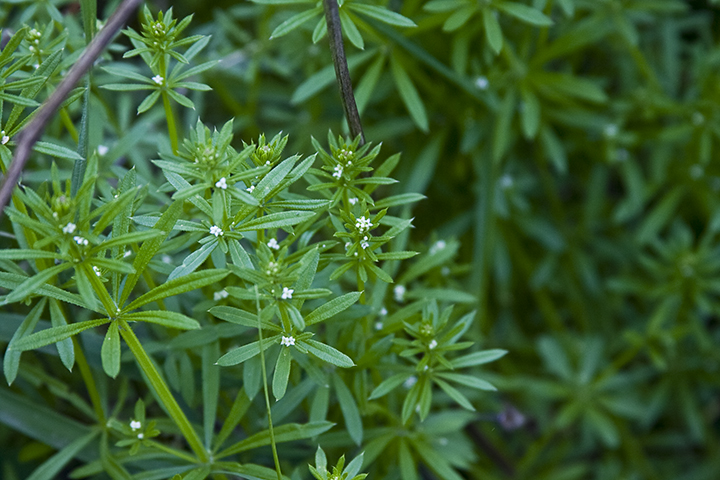
Cleavers, botanical name Galium aparine, is a herb-like annual plant that is found growing in damp or verdant locales as well as besides the banks or rivers and along the fences in eastern United States, Canada as well as the Pacific coast. Belonging to the plant family Rubiaceae, cleavers has a thin taproot that gives rise to a frail, rectangular, prostrate or climbing thorny stem that grows up to a length of anything between two feet to six feet. This herbaceous annual plant produces coarse leaves whose shape varies from oblong to the head of a lance to nearly straight or linear. The leaves of cleavers appear in whorls of about six to eight encircling the stem. Cleavers bears diminutive flowers having white or greenish-white hues during the period between May and September. Cleavers gives off a potent smell similar to…

View original post 2,197 more words

Plant Profile: Pennyroyal

Crooked Bear Creek Organic Herbs's avatarCrooked Bear Creek Organic Herbs

Mentha pulegium

Also, Known As:

  • Pennyroyal

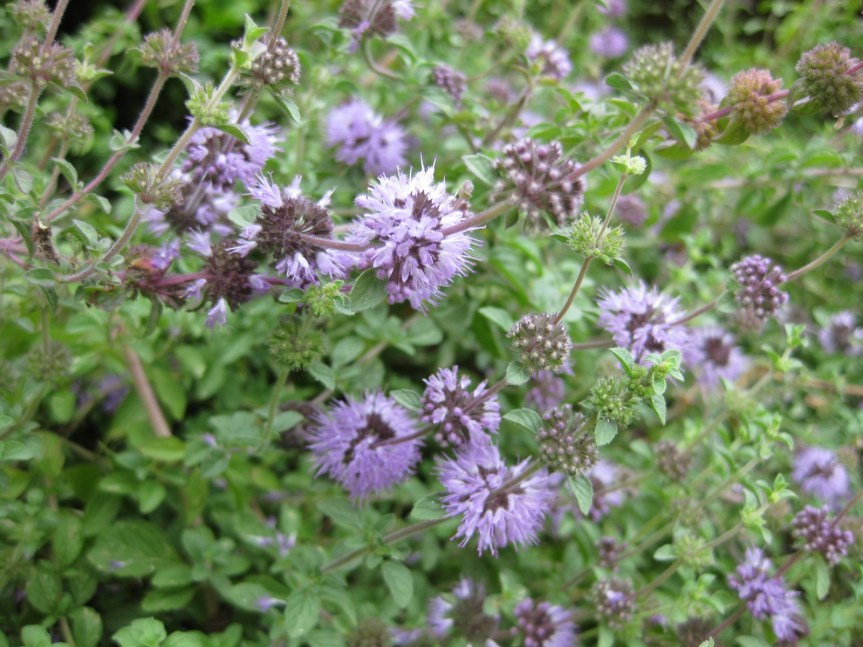
Pennyroyal (botanical name Mentha pulegium) belongs to the mint species and is a member of the Lamiaceae family. Although this herb is native to Europe and the western regions of Asia, pennyroyal has now been naturalized in North and South America. Several species and a wide variety of pennyroyal, such as apple mint, pineapple mint, orange mint, are found across the globe. This variety of plant flourishes well in proper sunlit areas and partial shade. This variety of plant requires moist, deep and sandy soils for robust development. In addition, pennyroyal plants also need fertile soil and regular watering. Unless the roots of this variety of plants are not restricted by underground fencing, they breed rapidly.

Pennyroyal, which belongs to the Lamiaceae family, is an aromatic perennial plant that develops from bulbs or tubers. The stems of this plant are found in an assortment of…

View original post 4,253 more words

Springtime Herbs To Have On Hand

Crooked Bear Creek Organic Herbs's avatarCrooked Bear Creek Organic Herbs

Traditionally, the days around the Vernal Equinox (mid to late March) and the month(s) after it was seen as a time of intense, rushing energy: days get longer and the sunlight more intense, the first signs of green growth emerge, and wildlife stirs again. Herbalists still consider this a time when the more inward, ‘congealing’ energies of Winter begin to transition into the more outward, ‘expansive’ energies of Summer—and when a little attention paid to the process can improve vitality, strengthen digestion and immunity, and keep us in tune with the changing seasons.

There are specific herbal allies that have gained a deserved reputation for aiding in this transition, and each has its own peculiar “virtues” and affinities. All, however, rely somewhat on two basic strategies: either enhancing digestive and eliminative function or bolstering the power of the body’s immune and hormonal systems. Some do both! And generally, it was (and still is) considered a good idea to start with…

View original post 1,786 more words

Plant Profile: Alkanet {Anchusa officinalis}

Crooked Bear Creek Organic Herbs's avatarCrooked Bear Creek Organic Herbs

Also, Known As:

  • Alkanet
  • Bugloss
  • Common Alkanet

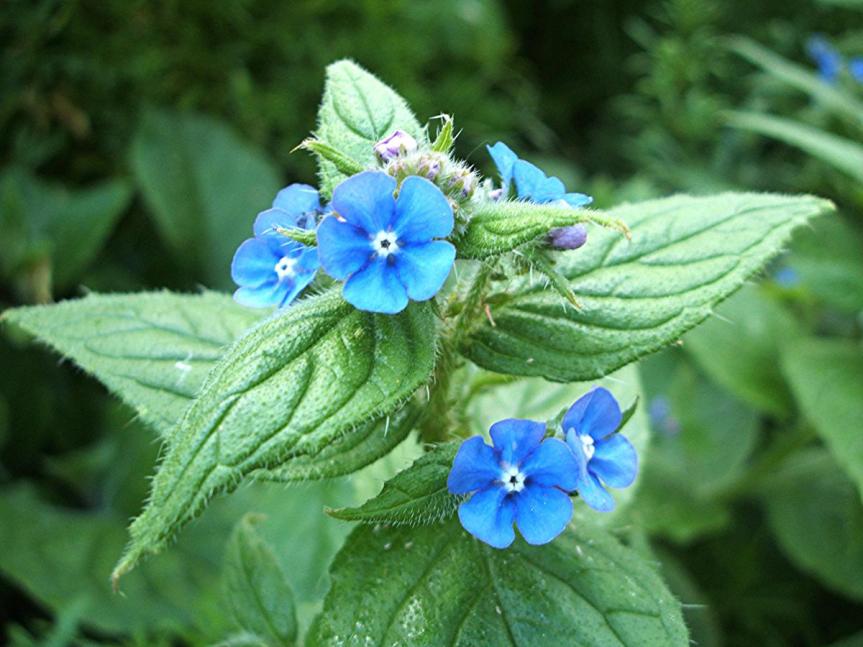
The plant known commonly as alkanet is a biennial herb familiar to all herbalists. The herb is characterized by coarse and hairy stems as well as leaves that arise out of a cluster of basal leaves. The plant is about 1- 3 feet tall when fully developed. The plant is also characterized by possessing lower leaves that are stalked; these can grow up to eight inches in length. Leaves in the upper part of the plant are narrow, they can be oblong or lance-like in shape, these upper leaves can reach about six inches in length with a width an inch. Alkanet bears very dainty and purplish blue flowers, these flowers bloom from late May up to October, the flowers are tubular in shape, they can be about one-fourth of an inch across and are replaced by a minute and nut-like fruits of…

View original post 879 more words

Our ‘Go To’ Herb: Basil

Crooked Bear Creek Organic Herbs's avatarCrooked Bear Creek Organic Herbs

Ocimum basilicum

Also, Known As:

  • Arjaka
  • Basil
  • Common Basil
  • French Basil
  • Garden Basil
  • Luole
  • Royal Herb
  • St. Josephwort
  • Sweet Basil
  • Tulsi

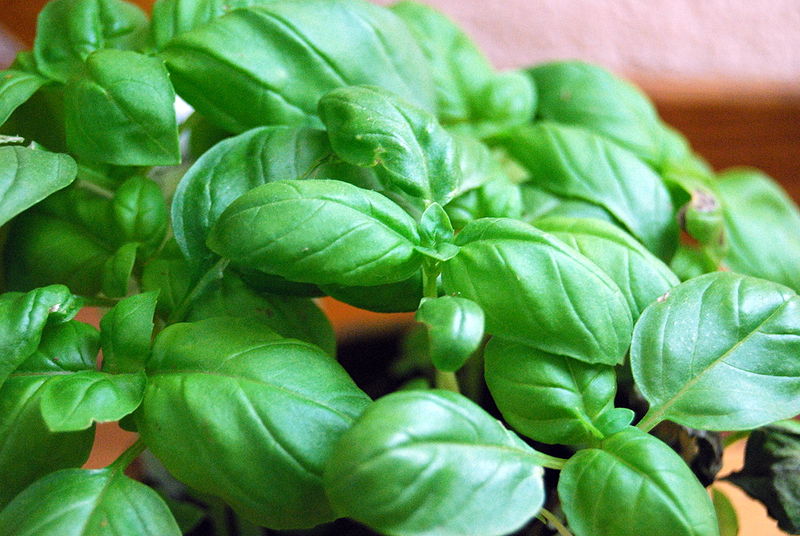
The plant known as the basil is an annual herb, which is cultivated worldwide as a flavoring herb in many cuisines. The basil comes in many different varieties, each with its own unique chemical composition and characteristic flavor – the main use of the herb is culinary. The flavor and character of any particular variety of basil are affected to a great extent by many external environmental factors, including factors such as temperature, the type of soil, the geographic location, and even the amount of rainfall received by the individual plant. Morphologically the plant possesses thin branching root which grows out into bushy stems that can reach 1-2 feet in height when fully grown, the stem of the plant bears many leaves which have a characteristic purple hue or…

View original post 3,319 more words

Oregano Lore

Crooked Bear Creek Organic Herbs's avatarGood Witches Homestead

Oregano

Origanum spp.

Botanical Background:

Member of the mint family; 42 species native to the Mediterranean or Eurasia. Most found only wild, especially in Cyprus, southern Turkey, western Syria, and Lebanon.

Description:

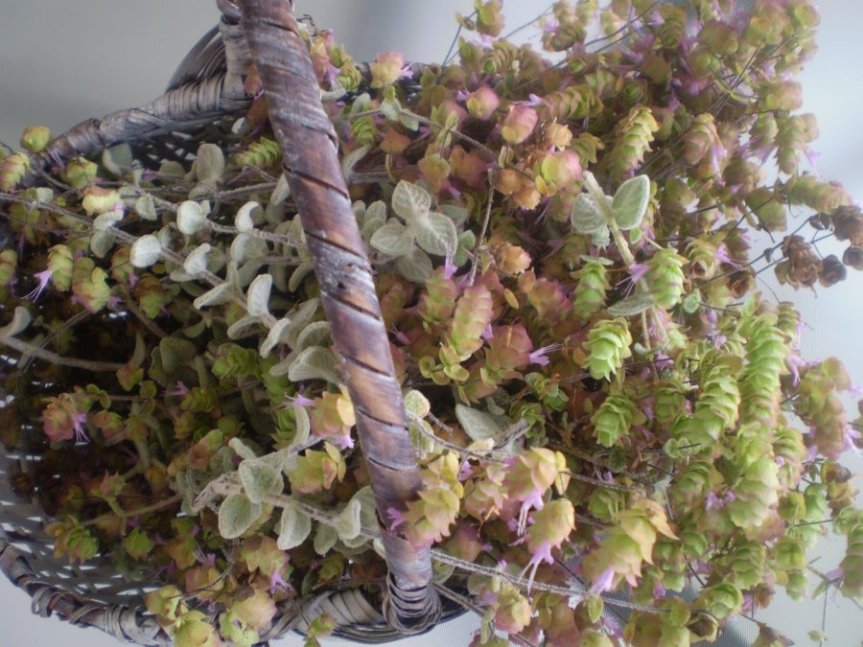
Perennial or shrubby plants range in height from 2-3 inches to 3 feet or more. Aromatic leaves; small purple, pink or white flowers highly attractive to bees and butterflies.

Hardiness:

Common oregano {O. vulgare} and its subspecies and varieties are hardy to Zone 5 or 6. Sweet marjoram {O. majorana}, Turkish oregano {O. onites} and other tender species usually are grown as annuals.

Site:

Full sun; well-drained soil; neutral to alkaline pH.

Harvest Tips:

For use in cooking, cut branches back by half just before bloom.
Many oregano’s originate in the area around the eastern Mediterranean Sea. For maximum flavor when growing oregano, mimic the plant’s native conditions, such as the rocky…

View original post 1,460 more words

Sweet Marjoram {Origanum majorana}

Crooked Bear Creek Organic Herbs's avatarCrooked Bear Creek Organic Herbs

Also, Known As:

  • Amaracus
  • Annual Marjoram
  • Knotted Marjoram
  • Sweet Marjoram

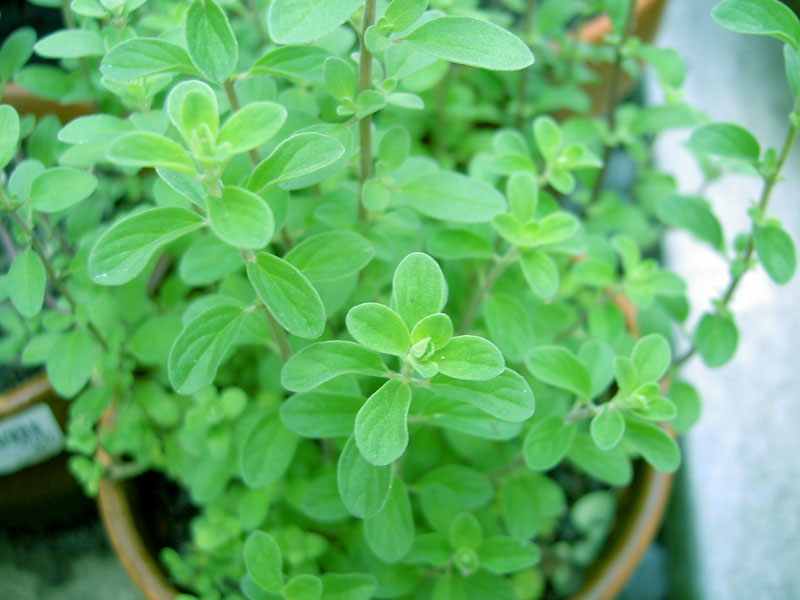
Sweet marjoram (botanical name Origanum majorana) is one of the more delicately flavored cousins of oregano. Sweet marjoram is a soft perennially growing herb that is actually cultivated in the form of an annual in the gardens in the northern hemisphere. This herb is considered to have its origin in North Africa, India, and the Middle East and usually grows up to a height of 25 cm to 60 cm (10 inches to 24 inches). Sweet marjoram is an attractive plant with a somewhat luxuriant, expensive habit that makes it a gorgeous hanging plant and is perfect for rock gardens and borders.

Sweet marjoram grows copiously; they are small, spherical, and woolly-haired and have greyish-green leaves that grow opposite to each other. The herb has a sugary, spicy aroma and essence.

The stem of this herb is square having a purple…

View original post 2,097 more words