Strawberry Tree Crumble Cake…The Magical Forgotten Fruit! — Gather Victoria

The Strawberry Tree (Arbutus unedo) is an ornamental shrub that grows all over Victoria but its abundant, plush, juicy fruits just end up littering sidewalks. Seems no one remembers we’ve been eating these succulent fruits for thousands of years! Right now in the PNW the fruits are bright red, ripe and sweet (up to 40% sugar!)…

via Strawberry Tree Crumble Cake…The Magical Forgotten Fruit! — Gather Victoria
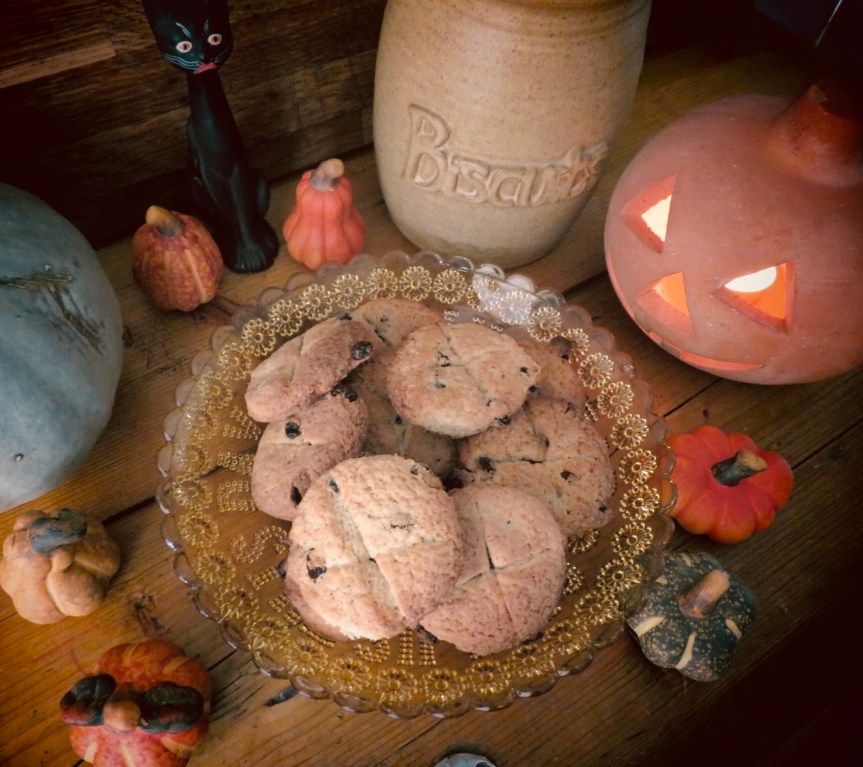
All Hallows Eve ‘Soul Cakes’

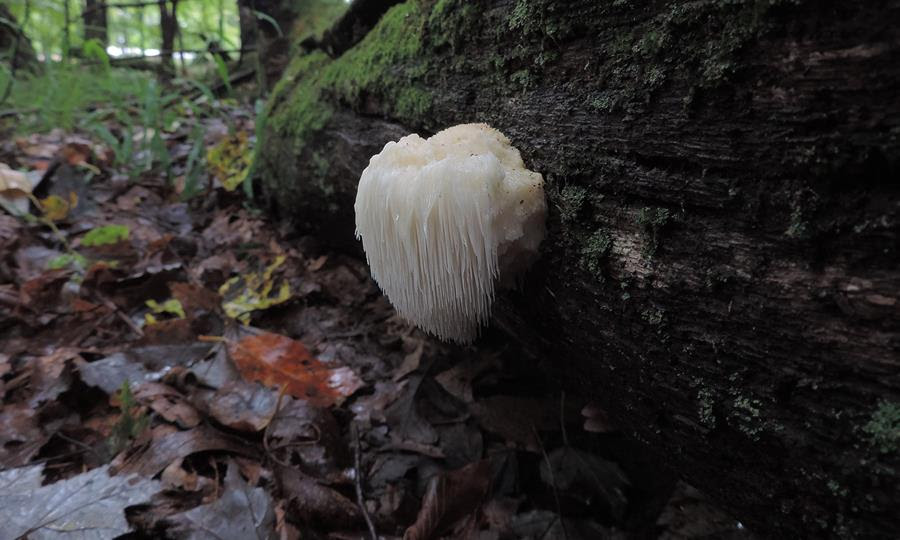
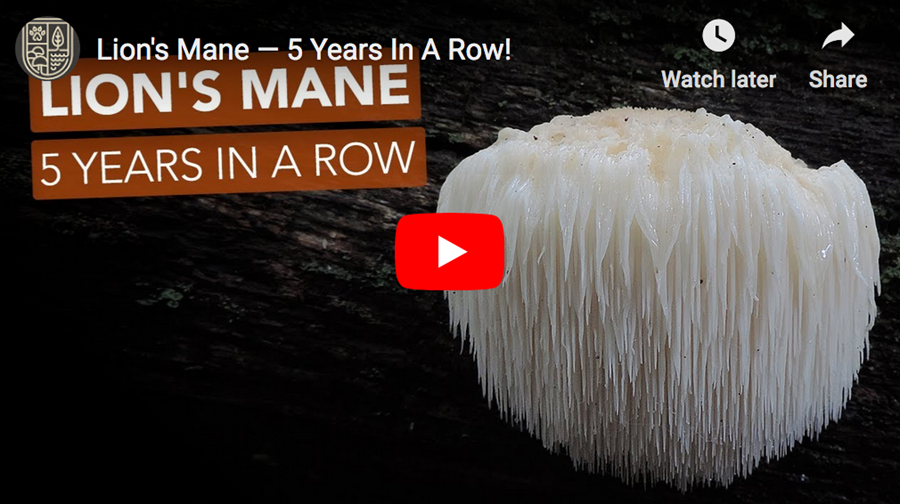
Lion’s Mane Mushroom — Same Spot, 5 Years In A Row (new video!)

Greetings!

Many years ago, a large white oak tree succumbed to windsnap on a hillside located a few miles from my home.  The standing snag remains, though the rest of the tree lies scattered on the forest floor leading down to a creek.

Since its death, this tree has given life to various fungal species.  Crust fungi adorn bits and pieces of the bark all year round, while cap-and-stem mushrooms appear transiently after seasonal rains.

Among the dozens of fungi that inhabit this fallen oak tree is one species that cannot be ignored.  More than JAM (“just another mushroom”), this particular species is touted for its exquisite taste and medicinal potential.

For the past five years, I’ve paid special visits to the deceased oak tree in search of this delicious, late-season mushroom.  And for the past five years, I’ve never been let down… even during prolonged dry spells.

Check out the newest video to learn more!

I was a recent guest on the Bent Over Wellness Podcast hosted by Isidora Romantini.  In this interview, we discuss ecological roles of fungi, medicinal mushrooms, the importance of learning your land, and lots more.  Check it out!

Thanks for reading and watching, and as always, thank you for your support!

-Adam Haritan

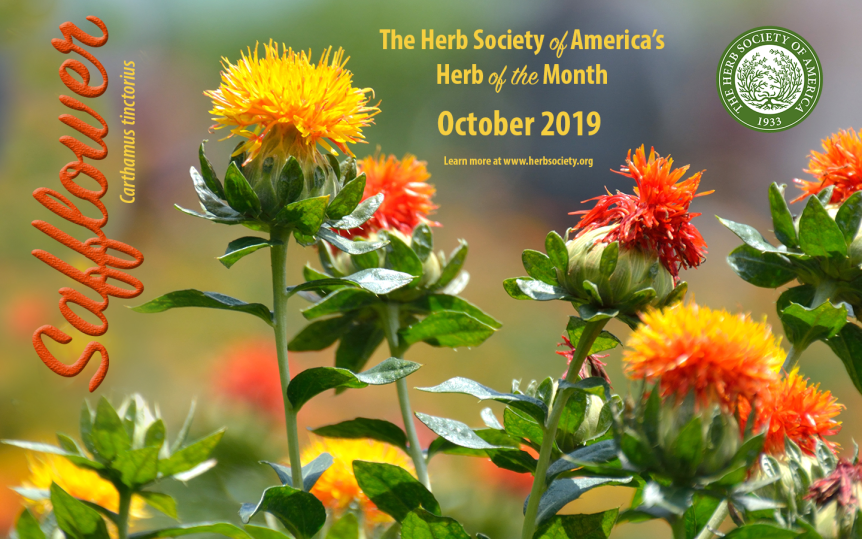
October Herb of the Month, Safflower

Crooked Bear Creek Organic Herbs's avatarCrooked Bear Creek Organic Herbs

Safflower, Carthamus tinctorius

Did You Know?

• Safflower produces a thistle-like flower ranging in color from yellow to dark red.
• It is one of the oldest cultivated plants, originally grown to use the flowers as coloring agents for food,
cosmetics, and textiles.
• Safflower garlands were found in Tutankhamun’s tomb (around 1323 BCE).
• The pigment from the flower petals is known as carthamin and was used to dye Egyptian textiles dating back to the 12th dynasty.
• As a food additive, carthamin is known as Natural Red 26.
• The flower petals have been substituted for saffron since they do produce a similar color and flavor.
• Commercial production of safflower is primarily for oil pressed from the seeds. By-products of this process create livestock meal and are used in making soap.
• A small amount of commercially grown safflower is for birdseed.
• There are two types of safflower…

View original post 674 more words

Cake For The Priestesses Of The Dead — Gather Victoria

Halloween takes its roots in ancient festivals and feasts honouring the dead, like Samhain. Which makes it a perfect time for cake…not just any cake, but a cake in remembrance of the Haliorunna. Never heard of them? They were the oracular priestesses of the “underworld mysteries” whose rites of divination and ancestor veneration were demonized and…

via Cake For The Priestesses Of The Dead — Gather Victoria

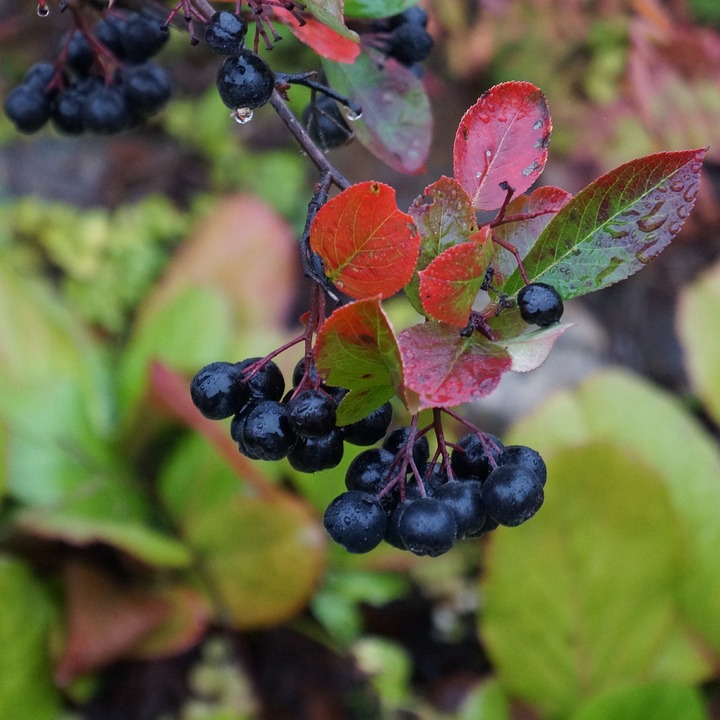
Food as Medicine: Black Chokeberry (Aronia melanocarpa, Rosaceae)

Crooked Bear Creek Organic Herbs's avatarCrooked Bear Creek Organic Herbs

Black chokeberry (Aronia melanocarpa), also known as aronia berry, is a member of the economically important rose (Rosaceae) family, which includes other pome-producing plants like apple (Malus spp.), pear (Pyrus spp.), and quince (Cydonia oblonga). A pome is a fruit produced by the Malinae subtribe within Rosaceae. The genus Aronia includes two species of shrubs that are both native to North America: A. melanocarpa (black chokeberry) and A. arbutifolia (red chokeberry).1 Aronia melanocarpa grows to a height of 4-8 feet (1.2-2.4 meters) and is a cold-hardy, deciduous, thicket-forming shrub that prefers full sun and woodland edges.2,3 Black chokeberry’s natural range extends from the northeastern part of North America and the Great Lakes region to the Appalachian Mountains.1

In spring, black chokeberry shrubs produce clusters of white-to-pink flowers that are 2-2.5 inches long and each form 10-15 pea-sized, purple-black pomes after…

View original post 3,344 more words

Sacred Tree Profile: Chestnut’s Magic, Medicine, Mythology and Meaning (Castanea dentata)

Dana's avatarThe Druid's Garden

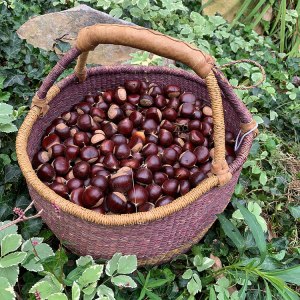
Basket of abundant chestnuts!

Just a few weeks ago, I went and checked the local chestnut trees that are in a field near where I live.  Ever since I moved to the new homestead, I have been eagerly visiting these trees.  Last year, they dropped plenty of husks but with only shriveled nuts inside. This year, I was extraordinarily pleased to find that both trees had produced a bumper crop of the delicious nuts–some almost 2″ across, but most smaller, almost all worm-free, and delicious. I eagerly filled my basket with the nuts, stepping carefully around the extremely prickly husks.  I sat with each of the trees and we conversed as I harvested the nuts. I took home 25 lbs of nuts that day, and these nuts will sustain myself, my geese (who love them), and my friends and family for many a Samhain, Thanksgiving, and Yule feast!  Chestnut trees…

View original post 2,037 more words

Comfort Food – Banana Bread

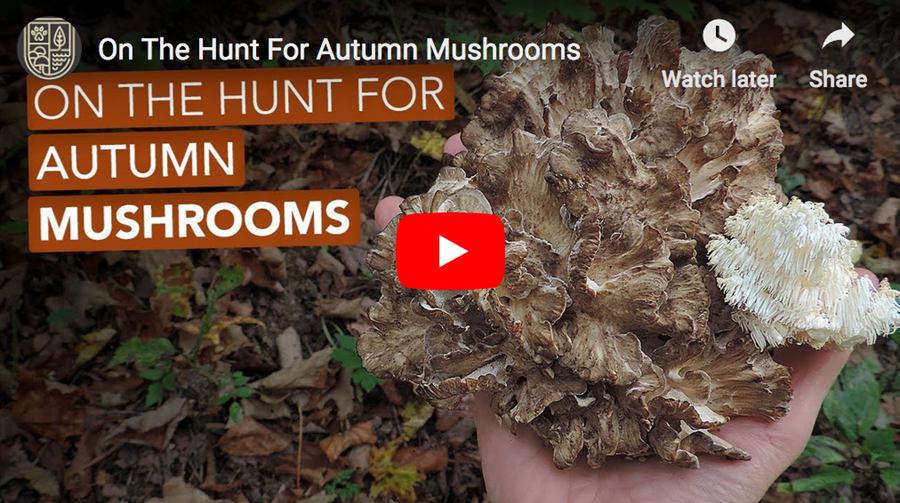
On The Hunt For Autumn Mushrooms (new video)!

Greetings!

After spending a wonderful weekend teaching classes at the Midwest Wild Harvest Festival in Wisconsin, I’m back in Pennsylvania and excited to experience the transformations that accompany the autumn season.

Western Pennsylvania, unlike most of Wisconsin, has experienced very little rainfall during the past month.  Honey holes and hen houses have been awfully and uncharacteristically quiet in many parts of our woods, leading many dispirited foragers to wonder aloud (and especially on Facebook): “Is it time to hang up the basket?”

Fortunately, the claim that any mushroom season is “poor” is oftentimes one of opinion and conjecture.  As the notable mycologist Gary Lincoff would frequently say:  “Even if you don’t see the mushrooms, they’re there.”

In other words, keep looking.

Taking Gary’s advice to heart, I’m forever committed to finding fungi even in the most inhospitable of circumstances.  In this brand new video, I share with you a recent excursion into the (very dry) woods in search of autumn mushrooms.

More than just a mushroom hunt, however, this video features discussions on old growth trees, the ecological value of parasites, and nutty decomposers.

Enjoy!

I was a recent guest on the World Wild Podcast, hosted by internationally renowned wild foods expert, author, and public speaker Miles Irving.  In this interview, we discuss nature deficit disorder, societal barriers to nature connection, medicinal mushrooms, wild spring water, and more.   Check it out!

Thanks for reading and watching, and as always, thank you for your support!

-Adam Haritan

Old-fashioned Baked Apple Roll

Can’t wait to try this

Sheryl's avatarA Hundred Years Ago

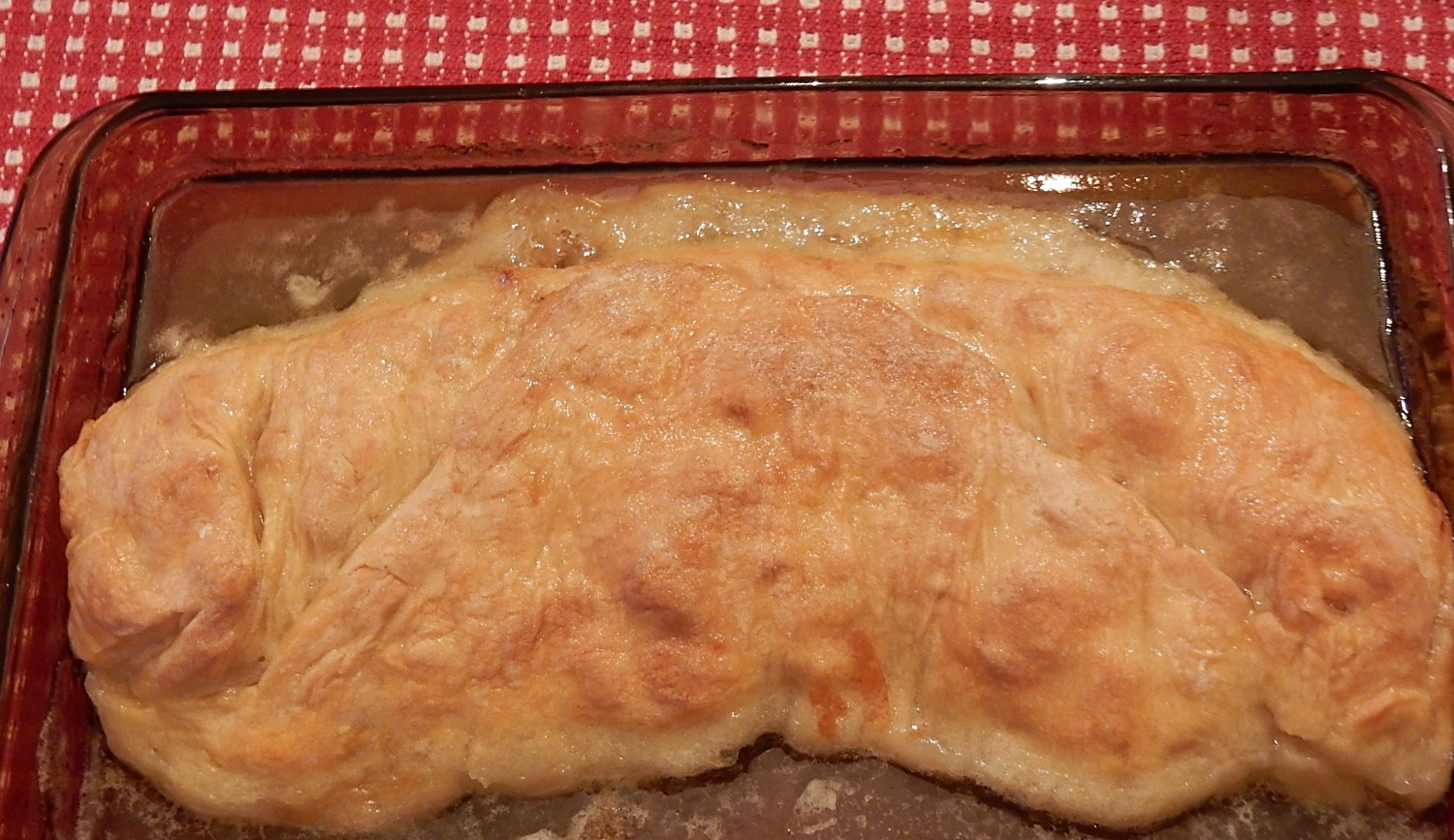
Baked apple roll in baking dish

Fall is the season for apples, and the perfect time to make apple desserts. I recently found a lovely hundred-year-old recipe for Baked Apple Roll; however, it has one quirky characteristic. The recipe does not call for any cinnamon.

The Baked Apple Roll is smothered in a very simple sugar, water, and butter sauce. The roll looked beautiful, but (since I’m so used to apple dishes being spiced with cinnamon), the roll tasted bland to me. If I made this recipe again, I might add some cinnamon – though I recognize that wouldn’t hold true to the old recipe.

Here’s the original recipe:

Recipe for baked apple roll Source: The Old Reliable Farm and Home Cook Book (1919)

When I made the recipe, I halved it, and still had a large roll that made 4-5 servings. Here is the recipe updated for modern cooks.

    Unbaked apple roll in baking dish with sugar, water, and pats of butter

View original post